
- 1-Introduction to Gene Editing in Agriculture
- 2-The Legal Framework for Gene Editing in U.S. Agriculture
- 3-Key Gene Editing Technologies in Agriculture
- 4-U.S. Regulations Governing Gene Editing
- 5-Case Study: The Legal Implications of CRISPR in Agriculture
- 6-Legal Challenges and Controversies Surrounding Gene Editing
- 7-Conclusion and Future Outlook on Gene Editing Laws
1. Introduction to Gene Editing in Agriculture
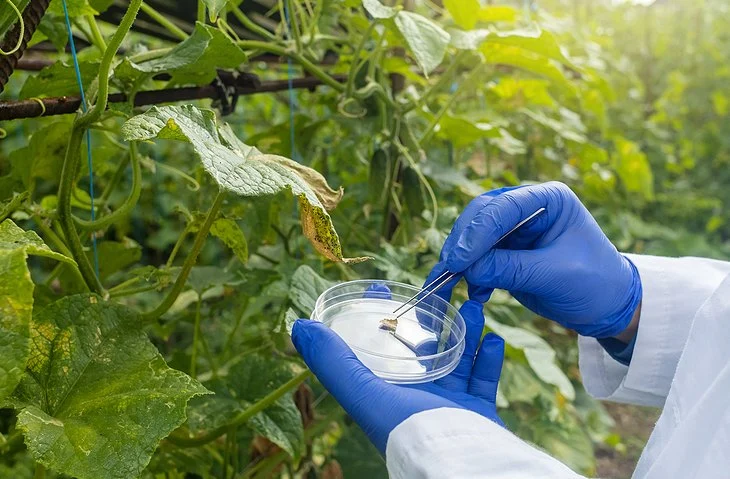
Gene editing in agriculture is an evolving field that promises to revolutionize farming practices by enhancing crop resilience, pest resistance, and nutritional value. Technologies like CRISPR have made it possible to make precise changes to the DNA of plants and animals, leading to more efficient and sustainable agricultural practices. However, as with any new technology, legal concerns surrounding gene editing are crucial to ensure its safe and responsible use. This article explores the U.S. laws governing gene editing in agriculture, the regulatory challenges involved, and what stakeholders should know about the legal landscape.

Borna Houman Law / borna houman law
Santa MonicaLos Angeles CountyCalifornia
2530 Wilshire Blvd Third Floor, Santa Monica, CA 90403, USA
2. The Legal Framework for Gene Editing in U.S. Agriculture
The legal framework surrounding gene editing in agriculture is complex and still evolving. It involves multiple agencies, including the U.S. Department of Agriculture (USDA), the Environmental Protection Agency (EPA), and the Food and Drug Administration (FDA). These agencies each have a role in regulating genetically modified organisms (GMOs) and gene-edited crops, with differing regulations and oversight mechanisms based on the nature of the genetic modifications.
In general, the U.S. has a relatively flexible approach to biotechnology, which contrasts with stricter regulatory environments in other countries. The U.S. allows gene-edited crops to be regulated based on the characteristics of the final product rather than the process used to create it, which can make the legal landscape difficult to navigate for those looking to introduce new gene-edited crops into the market.

Law Office of Andy Miri / andy miri attorney
Los AngelesLos Angeles CountyCalifornia
900 Avila St, Los Angeles, CA 90012, USA
3. Key Gene Editing Technologies in Agriculture
The most widely discussed gene editing technology in agriculture is CRISPR (Clustered Regularly Interspaced Short Palindromic Repeats). CRISPR allows for precise modifications to the genetic code of organisms, offering a more targeted approach than traditional genetic modification methods.
Another notable technology is TALEN (Transcription Activator-Like Effector Nucleases), which also enables precise changes to DNA. While CRISPR has garnered the most attention due to its ease of use and versatility, TALENs offer a valuable alternative in certain applications. Additionally, Zinc Finger Nucleases (ZFNs) and ODMs (Oligonucleotide-Directed Mutagenesis) are also used in gene editing applications for agricultural purposes.
Each of these technologies presents unique opportunities for improving crop yield, pest resistance, and climate resilience, but they also come with their own set of regulatory challenges.
4. U.S. Regulations Governing Gene Editing
In the United States, gene editing in agriculture is primarily governed by a combination of regulations designed to assess the environmental and health impacts of new crops. The USDA, EPA, and FDA each have specific regulatory roles depending on the type of organism being modified and the intended use of the gene-edited product.
The USDA's role focuses on ensuring that gene-edited crops are safe to grow and do not pose risks to the environment. The FDA oversees the safety of gene-edited crops as food, ensuring that they meet safety standards for consumption. The EPA regulates any gene-edited crops designed to reduce pesticide use or combat pests, ensuring that these modifications do not harm ecosystems.
One important aspect of U.S. gene editing regulation is the "plant pest" rule. This rule requires gene-edited crops to be reviewed by the USDA if the modification could potentially make the plant a pest or if the genetic modification involves the use of plant pests in the process.
5. Case Study: The Legal Implications of CRISPR in Agriculture
A notable case in the legal landscape of gene editing is the development of CRISPR-edited mushrooms. In 2016, researchers used CRISPR to create a strain of white button mushrooms that resisted browning. This modification did not introduce foreign genes but instead used CRISPR to silence a specific gene responsible for browning.
Although the mushroom was not genetically modified in the traditional sense, the U.S. Department of Agriculture (USDA) ruled that the mushroom did not require regulation under its genetic modification guidelines. This ruling marked a significant shift in the regulatory approach, indicating that gene-edited organisms that do not involve foreign genes might not be subject to the same stringent regulations as traditional GMOs.
This case underscores the complexity of the regulatory environment and the need for clearer guidelines on how gene-edited organisms should be classified and regulated.
6. Legal Challenges and Controversies Surrounding Gene Editing
Despite the potential benefits of gene editing in agriculture, there are several legal and ethical challenges. One of the most significant challenges is determining whether gene-edited crops should be classified as GMOs. This classification affects everything from regulatory oversight to public perception and market acceptance.
Another challenge lies in the potential for cross-border regulation issues. While the U.S. may adopt a relatively flexible approach, other countries, especially in Europe, have stricter regulations surrounding genetically modified organisms. This disparity in regulation could create trade barriers and limit the global market for gene-edited agricultural products.
Additionally, there are concerns about patenting and ownership of gene-edited crops, as biotech companies hold patents on many of the technologies used in gene editing. This raises questions about access and control over the future of agricultural biotechnology.
7. Conclusion and Future Outlook on Gene Editing Laws
The legal framework governing gene editing in agriculture is still developing, with significant regulatory uncertainty. As technology advances, policymakers will need to create clearer guidelines to ensure that gene-edited crops are safe for consumers and the environment while fostering innovation in the agricultural sector.
For individuals and businesses involved in agricultural biotechnology, staying informed about the evolving legal landscape is crucial. At CGS Law Hub, we provide the latest insights and legal guidance to help you navigate these complex issues. Whether you're involved in biotech innovation or interested in understanding the regulatory environment, we can help you find the resources you need.






 Matias Flores Law Firm4.0 (29 reviews)
 Mc Laughlin & Nardi LLC3.0 (21 reviews)
 Jonathan Robert Nelson, Esq.0.0 (0 reviews)
 Alex Hertogs, Attorney5.0 (1 reviews)
 Selinger Law Group4.0 (47 reviews)
 Terry & Nudo, LLC4.0 (17 reviews)
 A Step-by-Step Guide to Writing a Will – Expert Legal Advice
 How to File for Divorce Without a Lawyer: Step-by-Step Guide
 Law Made Simple: Understanding Employment Law for Workers
 What Happens If You Die Without a Will – Expert Legal Advice
 Legal Tips for Students Facing Student Loan Deferrals, Consolidation & Forgiveness
 Your Rights During a Police Stop – Essential Legal Advice