- 1-Understanding the PPP
- 2-Eligibility Requirements
- 3-Documentation and Compliance
- 4-Strategies for Successful Application
- 5-Common Legal Pitfalls to Avoid
- 6-Real-World Case Studies
1. Understanding the PPP
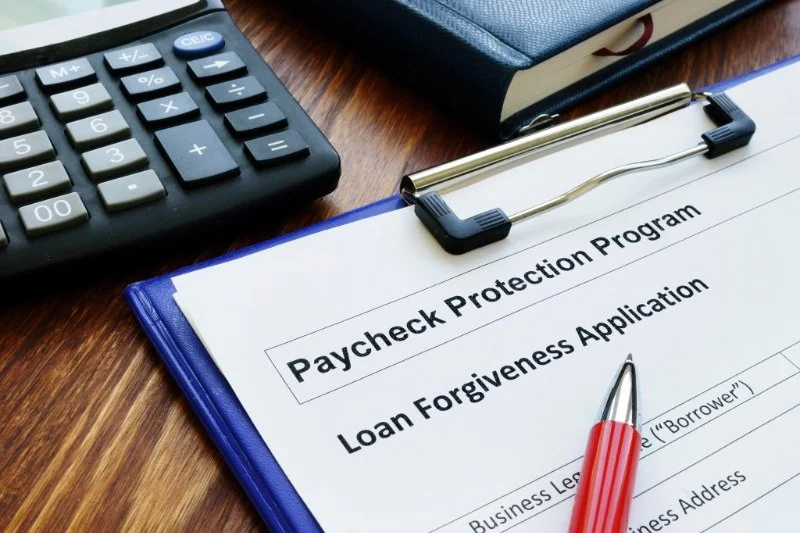
The Paycheck Protection Program (PPP) was designed to provide forgivable loans to small businesses affected by economic challenges. Understanding the legal framework is crucial before applying. PPP loans are backed by the federal government and prioritize payroll, rent, and utilities, making them a lifeline for businesses facing temporary financial hardship.
At CGS Law Hub, we emphasize that a clear understanding of PPP regulations and eligibility criteria is the first step in securing funding without risking compliance issues.

Braden & Tucci / braden and tucci
Los AngelesLos Angeles CountyCalifornia
811 Wilshire Blvd 17th Floor, Los Angeles, CA 90017, USA
2. Eligibility Requirements
Eligibility for PPP funding depends on factors such as business size, employment numbers, and financial impact from qualifying events. Generally, small businesses, sole proprietors, independent contractors, and certain nonprofits qualify. Meeting these criteria ensures that applications are processed smoothly and reduces the likelihood of legal scrutiny.
For instance, a small restaurant in Chicago successfully applied for PPP funds by confirming employee counts and demonstrating revenue loss, meeting all SBA requirements for the program.

Hanlon Law Group P.C. / hanlon law group pc
Los AngelesLos Angeles CountyCalifornia
555 W 5th St 35th floor, Los Angeles, CA 90013, USA
3. Documentation and Compliance
Maintaining accurate records is essential for PPP funding. Legal tips include:
- Gathering payroll reports, tax filings, and financial statements to verify employee compensation.
- Documenting any revenue reduction or financial impact supporting loan eligibility.
- Ensuring compliance with SBA rules regarding the use of funds to qualify for loan forgiveness.
Failing to maintain proper documentation can lead to complications during the loan review or forgiveness process, potentially resulting in penalties or repayment obligations.
4. Strategies for Successful Application
To improve the likelihood of approval, businesses should:
- Consult legal advisors familiar with SBA regulations to ensure accurate application completion.
- Submit applications promptly, as PPP funds are often disbursed on a first-come, first-served basis.
- Prepare supporting documentation proactively, highlighting payroll expenses and eligible operational costs.
These strategies reduce errors, improve processing time, and increase confidence that the loan will be fully forgiven if used correctly.
5. Common Legal Pitfalls to Avoid
While PPP loans offer significant benefits, some common legal mistakes can jeopardize funding or forgiveness:
- Misreporting employee numbers or compensation.
- Using funds for non-eligible expenses such as capital expenditures unrelated to payroll.
- Failing to maintain documentation for the required retention period.
- Not consulting professional legal or financial advice when necessary.
Awareness of these pitfalls ensures that businesses remain compliant and safeguard both their funding and legal standing.
6. Real-World Case Studies
Consider a small retail business in Houston that secured PPP funding by carefully documenting payroll and rent expenses, consulting with a legal advisor at CGS Law Hub, and submitting their application within the program’s timeline. The business not only received full loan forgiveness but also used the process to implement better internal financial tracking, demonstrating the practical benefits of compliance and planning.
Another example involved a consulting firm that initially submitted incomplete documentation. After legal guidance and proper record preparation, they successfully reapplied and obtained the funding needed to retain staff during a slow period.
These cases illustrate that understanding legal requirements, proper documentation, and strategic planning are critical for navigating the PPP successfully.






 Ken Crosson, Attorney at Law5.0 (2 reviews)
 John B. Madden, Attorney4.0 (2 reviews)
 Richard Southard Law Office5.0 (7 reviews)
 Schroeder Law Group0.0 (0 reviews)
 Aaroe Law Offices, PA0.0 (0 reviews)
 Jones Dawn M0.0 (0 reviews)
 Legal Guide to Influencer Collaborations Across U.S. Borders: Contracts & Tax
 A Beginner’s Guide to Small Claims Court | Barber Law Hub
 A Beginner’s Guide to Small Claims Court – Expert Legal Advice
 Law Made Simple: Understanding Child Custody Laws in Simple Terms
 Understanding Child Custody Laws – Expert Legal Advice
 The Basics of Intellectual Property Rights: A Comprehensive Guide