
- 1- Understanding Your Traffic Ticket
- 2- Why You Should Contest a Traffic Ticket
- 3- Steps to Contesting a Traffic Ticket
- 4- Effective Strategies for Fighting Traffic Tickets
- 5- When to Hire a Traffic Ticket Lawyer
- 6- Common Mistakes to Avoid When Contesting a Ticket
1. Understanding Your Traffic Ticket
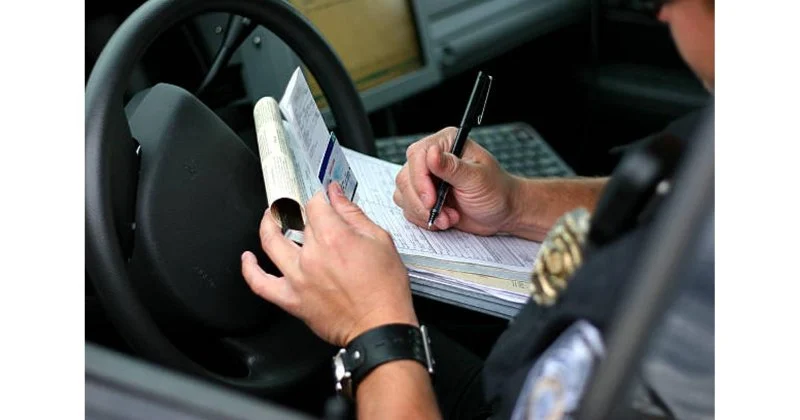
Before you even think about contesting a traffic ticket, it’s essential to fully understand the violation you're accused of. The first thing to do is read your ticket carefully to ensure all the details are accurate. A common mistake is not reviewing the date, time, and location of the incident. If any information is incorrect, this could help your case.
Also, check whether the ticket lists the correct offense and whether the fine and penalties are aligned with what is allowed by law. Inaccurate information or minor mistakes can be grounds for a dismissal or reduction of charges in some cases.

Law Offices of Raymond Perez / raymond perez attorney
Los AngelesLos Angeles CountyCalifornia
5161 Pomona Blvd Suite 208, Los Angeles, CA 90022, USA
2. Why You Should Contest a Traffic Ticket
There are many reasons why someone might consider contesting a traffic ticket. For starters, depending on your state, a conviction for a traffic violation could impact your driving record and cause your insurance premiums to increase. Even a minor violation could result in points added to your license, potentially leading to a suspension if you accumulate too many.
Another reason to contest a traffic ticket is to avoid the fine altogether or to have it reduced. In some cases, if you can present a strong defense or find flaws in the ticketing process, you may be able to avoid paying the fine or even have the charges dropped.

Borna Houman Law / borna houman law
Santa MonicaLos Angeles CountyCalifornia
2530 Wilshire Blvd Third Floor, Santa Monica, CA 90403, USA
3. Steps to Contesting a Traffic Ticket
Contesting a traffic ticket involves several steps, each crucial to increasing your chances of success:
1. Review Your Ticket
The first step is always to thoroughly review the ticket. Double-check the details to ensure everything is correct, as mentioned earlier. This includes the time, place, nature of the violation, and your personal information.
2. Decide How to Plead
Once you've reviewed your ticket, you need to decide how to plead. Typically, you can plead guilty, not guilty, or no contest. Pleading not guilty gives you the chance to contest the charges in court. It’s important to note that pleading no contest is often treated the same as pleading guilty, so be careful with your choice.
3. Gather Evidence
Evidence is crucial in contesting your ticket. This could include photographs, videos, witness statements, or any other documents that can support your case. For example, if you were given a speeding ticket but can prove that the speed limit sign was missing or unclear, you may have grounds to contest it.
4. Prepare Your Defense
Your defense should focus on demonstrating that either the violation didn't occur, the officer was mistaken, or there was an error in the process. A well-prepared defense increases the likelihood of success. This is where expert legal advice or consultation with a traffic lawyer can make a difference.
5. Attend Court and Present Your Case
On your court date, arrive early and be prepared to present your case clearly and confidently. Bring all your evidence and be ready to argue your points logically. The judge will likely ask questions, so be ready to answer them truthfully and concisely.
4. Effective Strategies for Fighting Traffic Tickets
While contesting a traffic ticket may seem intimidating, there are some strategies that can improve your chances of success. Here are some effective approaches:
1. Question the Officer’s Observations
One effective strategy is to question the officer's observations and measurements. For example, if the officer used a radar gun to measure your speed, they may have been too far away or facing the wrong direction. Proving the officer's equipment was faulty or that they didn’t properly observe the violation can work in your favor.
2. Challenge the Evidence
Always challenge the evidence presented against you. If the prosecution can’t produce clear evidence, such as a video or photo of the alleged violation, it weakens their case. If the evidence is unclear or unreliable, you may have a good chance of winning.
3. Show That You Were Not in Violation
If you can provide a reasonable explanation for why the violation occurred or prove that it didn’t happen, you may have grounds for a dismissal. For example, you might have been speeding due to an emergency, and showing proof of that can sometimes sway the judge in your favor.
5. When to Hire a Traffic Ticket Lawyer
While many people successfully contest traffic tickets on their own, sometimes it’s wise to hire a lawyer, especially if the violation could lead to significant penalties, such as points on your license or a large fine. A traffic lawyer can help you build a strong case, navigate the legal process, and potentially reduce or dismiss your charges.
When Should You Hire a Lawyer?
Hiring a lawyer is especially beneficial if you are facing serious consequences, such as a license suspension or a substantial fine. A lawyer can also be invaluable if you feel the ticket was issued unfairly or if the legal process is overwhelming.
6. Common Mistakes to Avoid When Contesting a Ticket
When contesting a traffic ticket, it's important to avoid common mistakes that could weaken your case:
1. Missing Your Court Date
One of the biggest mistakes is failing to appear in court on the scheduled date. If you miss your court date, the judge may issue a default judgment against you, and you could be required to pay the fine in full or face additional penalties.
2. Not Gathering Sufficient Evidence
Without proper evidence, your case may not hold up in court. It’s essential to gather as much evidence as possible to support your defense, such as photos, videos, or witness testimony.
3. Speaking Without Preparation
When presenting your case, always remain calm and collected. Speaking without preparation or getting emotional can hurt your credibility. Be sure to stick to the facts and present your case logically.
In conclusion, contesting a traffic ticket involves understanding the violation, gathering evidence, and presenting a solid defense in court. While it can be a daunting process, following the right steps and strategies increases your chances of successfully challenging the ticket. For expert legal advice and assistance with your traffic ticket case, visit Barber Law Hub for the best resources and services available.






 Bruce W Shand, Attorney at Law0.0 (0 reviews)
 Braff Law Car Accident Personal Injury Lawyers5.0 (23 reviews)
 JLT Law & Mediation4.0 (8 reviews)
 Patricia J. Hartmann St. Paul Attorney4.0 (3 reviews)
 Manuel Cardenas and Associates P.C.3.0 (188 reviews)
 Haggerty Silverman & Justice P.C.4.0 (72 reviews)
 Understanding Your Tenant Rights in Rental Disputes: Essential Legal Information
 How to Contest a Traffic Ticket and Win: What You Need to Know in 2024
 How to Protect Your Business with the Right Contracts | Legal Guidance for Entrepreneurs
 How to File for Divorce Without a Lawyer: A Complete Guide
 How to Choose the Right Lawyer for Your Case: Essential Tips and Guidance
 Understanding Your Tenant Rights in Rental Disputes: A Comprehensive Guide