
Understanding Bankruptcy Options
- What Is Bankruptcy?
- Types of Bankruptcy
- How to Choose the Right Bankruptcy Option
- The Bankruptcy Process: What to Expect
- Real-Life Case: A Bankruptcy Story
- Getting Legal Help with Bankruptcy
1. What Is Bankruptcy?
Bankruptcy is a legal process that provides relief to individuals and businesses unable to repay their outstanding debts. It allows for the restructuring or discharge of debts through court procedures. Bankruptcy can offer a fresh financial start, but it has significant consequences, such as an impact on your credit score and financial reputation. It's important to understand all your options before deciding to file for bankruptcy.2. Types of Bankruptcy
There are several different types of bankruptcy, each designed for different financial situations. Here are the most common types:- Chapter 7 Bankruptcy (Liquidation): This is the most common form of bankruptcy for individuals. It involves the liquidation of non-exempt assets to pay off creditors. Once the assets are sold, most remaining unsecured debts are discharged.
- Chapter 13 Bankruptcy (Reorganization): This type of bankruptcy allows individuals to keep their property and repay creditors over a 3-5 year period through a court-approved repayment plan. It’s ideal for individuals with steady income who can afford to make monthly payments.
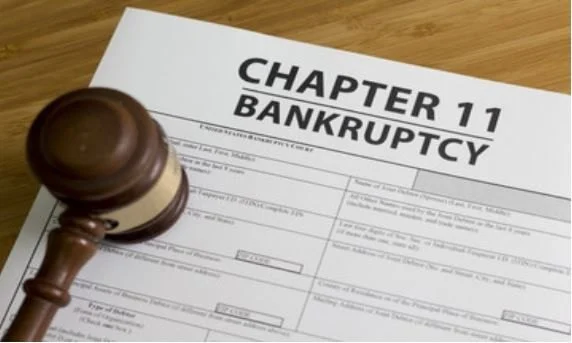
- Chapter 11 Bankruptcy (Business Reorganization): Primarily used by businesses, Chapter 11 allows for the reorganization of debts while the business continues operations. It offers a way for businesses to reduce debt and return to profitability.
- Chapter 12 Bankruptcy (Farming and Fishing): This type of bankruptcy is designed for family farmers and fishermen, allowing them to reorganize their debts and continue operations under a structured repayment plan.
3. How to Choose the Right Bankruptcy Option
Choosing the right bankruptcy option depends on several factors, including your income, the type of debt you have, and your financial goals. Here are some key considerations:- Your Income Level: Chapter 7 is often preferred by individuals with low income and few assets, while Chapter 13 is better suited for those who have a reliable income and want to keep their property.
- Debt Type: If you have a lot of unsecured debt, such as credit card debt, Chapter 7 might be the best option. If you have a lot of secured debt, such as a mortgage or car loan, Chapter 13 may be more appropriate.
- Property Ownership: Chapter 7 may involve liquidation of non-exempt property, whereas Chapter 13 allows you to keep your assets, including a home or car, while repaying your debts over time.
4. The Bankruptcy Process: What to Expect
The bankruptcy process typically follows these steps:- Initial Consultation: Before filing, it’s crucial to speak with a bankruptcy attorney to assess your financial situation and determine the best course of action.
- Filing the Petition: You must file a petition with the bankruptcy court, providing detailed information about your income, debts, assets, and expenses.
- Automatic Stay: Once the petition is filed, an automatic stay goes into effect, stopping creditors from collecting on your debts.
- Meeting of Creditors: In most cases, a meeting with your creditors will take place, where you will be required to answer questions under oath about your financial situation.
- Discharge or Repayment Plan: If you are filing Chapter 7, your debts may be discharged after the liquidation process. In Chapter 13, you will follow a court-approved repayment plan to pay off creditors over time.






 The Jin Law Firm3.0 (2 reviews)
 KAL Attorneys5.0 (4 reviews)
 Law Offices of James P. Curran, Jr, Esq.3.0 (28 reviews)
 The Law Offices of Kate Young, APC5.0 (4 reviews)
 Angela Kwan Law Offices4.0 (43 reviews)
 Swenson & Shelley Law - Phoenix Accident & Injury Lawyers5.0 (57 reviews)
 Your Rights During a Police Stop – Expert Legal Advice on Protecting Yourself
 How to Expunge a Criminal Record: A Step-by-Step Guide
 What to Do If You Are Injured in a Car Accident: A Simple Guide for 2025
 How to File for Divorce Without a Lawyer: A Step-by-Step Guide
 Law Made Simple: Understanding Bankruptcy Options and Choosing the Right Path
 A Step-by-Step Guide to Writing a Will: What You Need to Know in 2024