
- 1- Introduction to Legal Considerations for Smart Homes
- 2- Understanding Autonomous Home Systems
- 3- Legal Liability in Autonomous Homes
- 4- Data Privacy and Security Concerns
- 5- Real-Life Examples of Smart Home Liability Cases
1- Introduction to Legal Considerations for Smart Homes
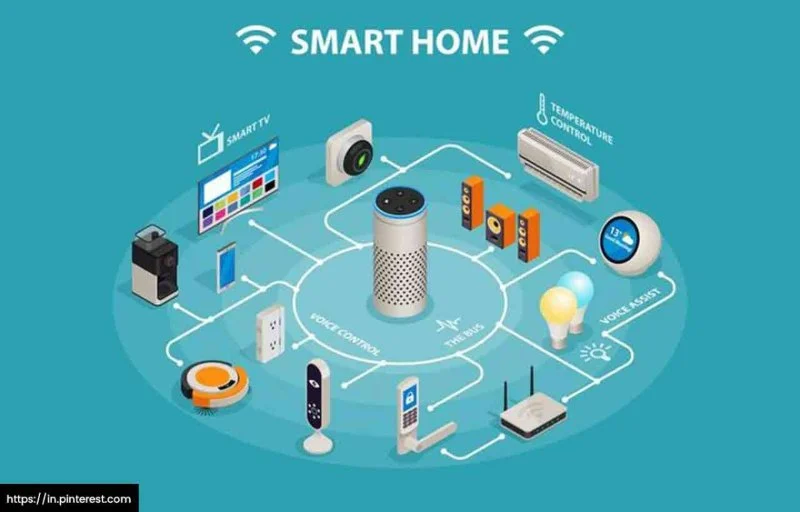
As technology continues to advance, autonomous home systems, commonly known as smart homes, have become a popular choice for homeowners seeking increased convenience, security, and energy efficiency. These systems enable homeowners to control devices such as thermostats, lights, cameras, and even appliances remotely through smartphone apps or voice-controlled assistants like Amazon Alexa or Google Home.
However, with the rise of these smart home technologies, legal implications have also emerged. Homeowners and renters alike need to be aware of potential legal risks, including liability issues and privacy concerns. This article delves into the key legal aspects surrounding autonomous home systems, focusing on liability and security concerns.

Susan E. Wiesner A Law Corporation / susan wiesner lawyer
West HollywoodLos Angeles CountyCalifornia
9000 W Sunset Blvd 9th Fl, West Hollywood, CA 90069, USA
2- Understanding Autonomous Home Systems
Autonomous home systems are designed to make life easier by automating tasks within a home. These systems typically include connected devices such as security cameras, smart locks, smart thermostats, and smart speakers. They can be controlled through mobile apps or voice commands, and many are designed to learn the preferences of the users over time.
While these devices are convenient and improve energy efficiency, they also raise significant legal and ethical questions. For example, if a security camera malfunctions and fails to record a burglary, who is held responsible? What happens if a smart lock mistakenly denies access to a homeowner? These are important questions that homeowners must consider when implementing smart technology in their homes.

APEX LAW FIRM, APC. / apex law firm apc
PasadenaLos Angeles CountyCalifornia
150 S Los Robles Ave suite 710, Pasadena, CA 91101, USA
3- Legal Liability in Autonomous Homes
Legal liability in the context of smart homes is a growing area of concern. The main legal issue revolves around who is held responsible when a smart home system causes harm or fails to function properly. Liability can arise in several ways:
- Device Malfunction: If a smart home device such as a security camera or door lock malfunctions, leading to property damage or theft, the homeowner may be held responsible if the device was not properly maintained. Alternatively, the manufacturer of the device could be held liable if the malfunction is due to a design flaw or manufacturing defect.
- Privacy Violations: Smart home devices collect vast amounts of data, including personal and sensitive information. If this data is compromised or misused, the homeowner may face legal consequences. Privacy regulations like the General Data Protection Regulation (GDPR) in Europe or California's Consumer Privacy Act (CCPA) may also apply, depending on where the homeowner resides.
- Negligence and Safety: If a smart home system causes harm due to negligence, such as a failure to update security software or patch vulnerabilities, the homeowner could face legal action from affected parties. Additionally, third-party contractors or installation companies might also be held accountable if they fail to properly install the system.
4- Data Privacy and Security Concerns
One of the most significant legal concerns for smart home owners is data privacy and security. Smart home devices collect data on a range of activities within the home, including daily routines, security footage, and even private conversations. This data, if not properly secured, can become a target for hackers or be sold to third-party companies without the homeowner's consent.
Homeowners must ensure that their smart home devices are secure and that personal data is protected. This includes setting strong passwords, enabling two-factor authentication, and regularly updating device software to protect against vulnerabilities. Legal obligations also exist, as companies that collect personal data are required to follow strict privacy regulations to safeguard that information.
5- Real-Life Examples of Smart Home Liability Cases
Understanding real-life cases can help illustrate how liability issues in smart homes have been handled legally. For instance, in 2019, a woman in the U.S. sued a major smart thermostat manufacturer after her home was damaged by a faulty device. The thermostat malfunctioned and caused a fire, which was traced back to the device’s failure. In this case, the homeowner was able to hold the manufacturer liable for damages due to a proven defect in the product.
Another case involved a breach of data security where a homeowner’s smart security camera system was hacked, and private footage was stolen. In this instance, the homeowner filed a lawsuit against the manufacturer for failing to secure the device against unauthorized access, leading to privacy violations.
These cases highlight the importance of understanding legal responsibilities and protecting both the physical and digital assets within a smart home. Homeowners must be proactive in ensuring that they are legally covered and that their devices are secure.
Final Considerations for Smart Home Liability
As smart home technology continues to evolve, legal considerations are becoming increasingly important. Homeowners should stay informed about the potential risks and liabilities associated with autonomous home systems. Taking steps to properly secure devices, understand the terms of service, and consult with legal professionals can help mitigate risks.
For more information about legal concerns regarding smart home technology, or if you need assistance in understanding your rights and responsibilities, visit CGS Law Hub to access expert legal advice and resources.




 Law Office of Mitchell I. Fried5.0 (14 reviews)
 Paliwoda | Paliwoda | Van Strien Alvarado3.0 (9 reviews)
 New York Family Law & Mediation PLLC5.0 (38 reviews)
 The Law Offices of Doroshow, Pasquale, Krawitz & Bhaya4.0 (4 reviews)
 Law Offices of Dawn S. Veltman, LLC4.0 (16 reviews)
 Gene Dueñas J.D.,P.C.2.0 (9 reviews)
 Understanding Employment Law for Workers – Expert Legal Advice
 Understanding Immigration Law: A Simple Guide for Newcomers
 How to Contest a Traffic Ticket and Win – Expert Legal Advice
 The Basics of Immigration Law for Newcomers: What You Need to Know in 2025
 What to Know Legally About Marijuana Laws Varying by State
 How to File for Divorce Without a Lawyer: Step-by-Step Guide