
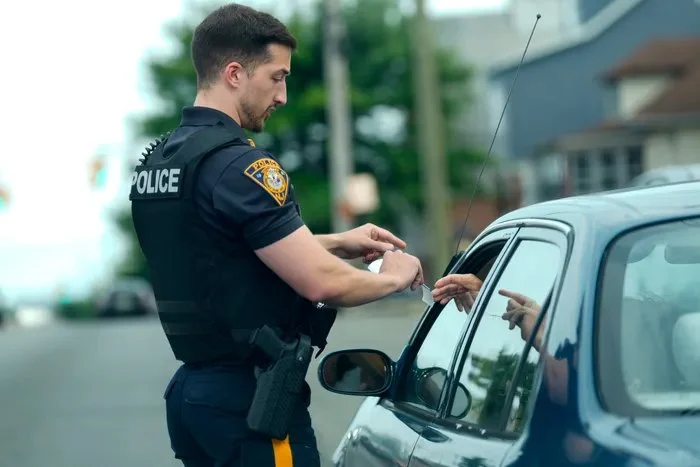
Your Rights During a Police Stop
- 1 - What Is a Police Stop?
- 2 - When Can the Police Stop You?
- 3 - What Are Your Rights During a Police Stop?
- 4 - How to Handle a Police Stop Safely
- 5 - What to Do If Your Rights Are Violated During a Police Stop
1 - What Is a Police Stop?
A police stop, also known as a traffic stop or detention, occurs when a law enforcement officer halts an individual or vehicle for questioning or investigation. This could happen for various reasons, including suspected illegal activity, traffic violations, or simply routine checks. It’s essential to understand your rights during a police stop to ensure a smooth and lawful encounter.

Shouse Law Group Los Angeles Criminal Defense & DUI Lawyers / shouse law group reviews
Los AngelesLos Angeles CountyCalifornia
4419 Van Nuys Blvd #307, Sherman Oaks, CA 91403, USA
1.1 Types of Police Stops
Police stops can be categorized into two main types: voluntary encounters and detention stops. In a voluntary encounter, you are not required to engage with the officer, and you can leave at any time. However, during a detention stop, the officer has reasonable suspicion or probable cause to stop and question you, and you are not free to leave.

Borna Houman Law / borna houman law
Santa MonicaLos Angeles CountyCalifornia
2530 Wilshire Blvd Third Floor, Santa Monica, CA 90403, USA
1.2 The Legal Basis for a Police Stop
For a police stop to be legal, officers must have a valid reason, such as reasonable suspicion or probable cause. For instance, if a police officer observes erratic driving, this may provide them with reasonable suspicion to stop your vehicle. Without reasonable grounds, a police stop could be deemed unlawful.
2 - When Can the Police Stop You?
Understanding when a police officer can legally stop you is crucial for knowing your rights. Police officers must have a legitimate reason for the stop, whether it’s based on specific behavior or a traffic violation.
2.1 Traffic Violations
One of the most common reasons for a police stop is a traffic violation. Officers can stop your vehicle if they observe illegal behavior, such as speeding, running a red light, or failing to signal. Even minor traffic infractions can give law enforcement the legal grounds to pull you over.
2.2 Reasonable Suspicion or Probable Cause
Police can also stop you if they have reasonable suspicion or probable cause that you are involved in criminal activity. This could include things like erratic driving, signs of intoxication, or other behavior that raises suspicion. Probable cause is a higher legal standard, which may be required for more invasive searches or arrests.
3 - What Are Your Rights During a Police Stop?
During a police stop, it’s essential to know your rights to protect yourself. While the police do have the authority to stop and question you, you also have the right to remain silent and not answer certain questions. Below are key rights you should be aware of.
3.1 Right to Remain Silent
You have the right to remain silent during a police stop. You do not have to answer questions about where you are going, your plans, or other personal matters. However, you are typically required to provide identification and your driver’s license when stopped while driving.
3.2 Right to Refuse a Search
You have the right to refuse a search of your vehicle, belongings, or person unless the officer has a warrant or probable cause to conduct the search. If you are asked to consent to a search, you can politely decline. However, if the officer proceeds with a search despite your refusal, make sure to document the incident later.
3.3 Right to Be Free from Unreasonable Detention
Police officers can detain you only for a limited time and for a specific purpose. If you are being detained during a police stop, you have the right not to be held indefinitely. If the officer does not have probable cause or reasonable suspicion, you can request to leave.
4 - How to Handle a Police Stop Safely
While knowing your rights is important, handling a police stop with respect and calmness can help ensure your safety. Here are some practical steps you can take to manage the situation safely.
4.1 Stay Calm and Respectful
When stopped by the police, remain calm and composed. Avoid sudden movements and keep your hands visible. Treat the officer with respect and cooperate when appropriate. Arguing or becoming aggressive could escalate the situation and may even lead to an arrest.
4.2 Provide Identification When Required
If you are driving, the officer may ask for your driver’s license, registration, and proof of insurance. Be sure to provide these documents in a calm manner. If you are not driving, you may still be required to provide your name and identification upon request.
4.3 Understand When to Ask If You Are Free to Leave
If you are not under arrest and you have not been informed that you are being detained, you have the right to ask if you are free to leave. Politely ask the officer if you are being detained or if you are free to go. If the officer says you are free to go, you may leave without any further interaction.
5 - What to Do If Your Rights Are Violated During a Police Stop
If you believe your rights were violated during a police stop, it’s crucial to remain composed and document the situation for future reference. While you should never resist or argue with the officer, there are steps you can take to address the violation.
5.1 Document the Incident
Write down as many details as you can remember about the police stop, including the officer’s name and badge number, the time and place of the stop, and any other relevant details. If there were any witnesses, ask for their contact information as well.
5.2 File a Complaint
If your rights were violated, you have the option to file a complaint with the police department or an oversight agency. Many police departments have internal affairs divisions that handle complaints against officers. You may also consider filing a civil rights complaint if you believe your constitutional rights were violated.
5.3 Seek Legal Assistance
If you believe your rights were seriously violated during a police stop, consult with an attorney. A legal professional can help you understand your options and may assist in filing a lawsuit if necessary.






 Bankruptcy Law Center LLP4.0 (58 reviews)
 Raia Joseph A4.0 (25 reviews)
 Atlas Law Center4.0 (942 reviews)
 Stratton Ashtyani Law Group5.0 (28 reviews)
 WilmerHale4.0 (14 reviews)
 Law Offices of Tim D. Wright4.0 (65 reviews)
 Your Rights During a Police Stop – Expert Legal Advice
 Law Made Simple: What to Do If You Are Injured in a Car Accident
 A Beginner’s Guide to Small Claims Court – Expert Legal Advice
 How to Choose the Right Lawyer for Your Case – Expert Tips in 2024
 How to Legally Change Your Name: A Step-by-Step Guide
 How to Avoid the Consequences of Dying Without a Will – Expert Legal Advice