
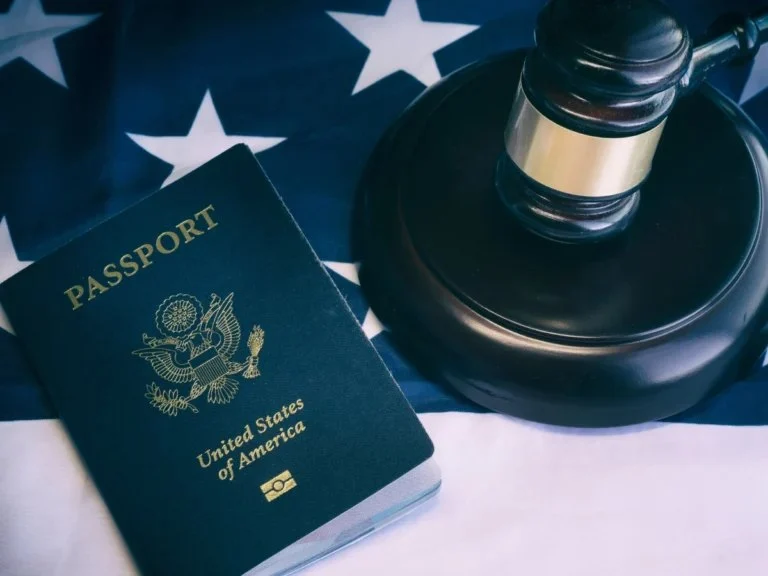
The Basics of Immigration Law for Newcomers – Expert Legal Advice
- 1-Overview of U.S. Immigration Law
- 2-Common Types of Visas for Newcomers
- 3-Steps to Achieve Permanent Residency in the U.S.
- 4-How to Become a U.S. Citizen: A Step-by-Step Guide
- 5-Common Challenges Immigrants Face and How to Overcome Them
- 6-Legal Resources for Immigrants: Where to Seek Help
1. Overview of U.S. Immigration Law
U.S. immigration law is complex and constantly evolving. It governs who can enter the country, how long they can stay, and under what conditions they can live, work, and eventually become permanent residents or citizens. Immigration laws are designed to protect national security, but they also allow people from around the world to pursue better opportunities in the U.S.
Whether you’re considering moving to the U.S. for work, education, or family reasons, understanding the basics of immigration law is crucial. This article will cover the most important aspects of immigration law for newcomers, providing expert advice on visas, permanent residency, citizenship, and common challenges immigrants face.

Culver Legal / culver legal reviews
Los AngelesLos Angeles CountyCalifornia
5670 Wilshire Blvd #1370, Los Angeles, CA 90036, USA
2. Common Types of Visas for Newcomers
One of the first steps in the immigration process is securing the correct visa. There are many types of visas available, each with specific requirements and restrictions. The most common visas for newcomers to the U.S. include:
- Work Visas: These visas allow foreign nationals to work in the U.S. The most common work visa is the H-1B, which is for skilled workers in specialty occupations like technology, engineering, and medicine.
- Student Visas (F-1): The F-1 visa is for foreign students enrolled in U.S. educational institutions. This visa allows students to stay in the U.S. for the duration of their studies and participate in certain work programs.
- Family-based Visas: These visas allow U.S. citizens or permanent residents to sponsor family members for entry into the U.S. The most common family-based visas are for spouses, children, and parents of U.S. citizens.
- Visitor Visas (B-1/B-2): Visitor visas are for individuals who want to visit the U.S. temporarily for tourism, business, or medical purposes.
Each visa type comes with specific rules regarding eligibility, application procedures, and the length of stay allowed. It’s essential to understand which visa is right for your situation before applying.

Law Office of Andy Miri / andy miri attorney
Los AngelesLos Angeles CountyCalifornia
900 Avila St, Los Angeles, CA 90012, USA
3. Steps to Achieve Permanent Residency in the U.S.
Permanent residency, also known as obtaining a Green Card, allows immigrants to live and work in the U.S. indefinitely. The process to achieve permanent residency can be long and requires meeting specific eligibility criteria. Some common pathways to permanent residency include:
- Family Sponsorship: U.S. citizens or permanent residents can sponsor family members for a Green Card. This is one of the most common methods for obtaining permanent residency.
- Employment-based Sponsorship: Workers with special skills or those who have been offered a permanent job in the U.S. may be eligible for an employment-based Green Card.
- Asylum and Refugee Status: Individuals fleeing persecution in their home countries can apply for asylum in the U.S., which may lead to permanent residency.
- Lottery (Diversity Visa Program): The U.S. runs a lottery program that randomly selects individuals from countries with low immigration rates to apply for permanent residency.
Once you qualify for a Green Card, you will need to go through an application process that includes submitting paperwork, undergoing a medical examination, and attending an interview with a U.S. immigration official.
4. How to Become a U.S. Citizen: A Step-by-Step Guide
U.S. citizenship provides many rights and benefits, including the ability to vote, apply for federal jobs, and receive protection from deportation. After obtaining a Green Card, most immigrants must wait a few years before they can apply for U.S. citizenship through a process known as naturalization.
Here’s a brief overview of the steps involved in becoming a U.S. citizen:
- Meet Eligibility Requirements: You must be at least 18 years old, have been a permanent resident for at least five years (or three years if married to a U.S. citizen), and demonstrate good moral character.
- Submit an Application: To apply for naturalization, you will need to submit Form N-400, the Application for Naturalization, and provide supporting documents.
- Pass a Citizenship Test: Applicants must pass a test on U.S. history and government, as well as demonstrate basic proficiency in English (reading, writing, and speaking).
- Attend an Interview: After submitting your application, you will be scheduled for an interview with a USCIS officer who will review your application and test results.
- Oath of Allegiance: If your application is approved, you will attend a ceremony where you take the Oath of Allegiance to officially become a U.S. citizen.
Naturalization is an exciting step in the immigration process, and it opens up new opportunities for immigrants who want to fully integrate into U.S. society.
5. Common Challenges Immigrants Face and How to Overcome Them
Immigrants often face various challenges when navigating the U.S. immigration system. Some common challenges include:
- Language Barriers: Limited English proficiency can make it difficult to understand forms, attend interviews, or communicate with immigration officials. Many immigrants overcome this by attending English language classes or working with bilingual legal professionals.
- Lengthy Processing Times: Immigration processes can take years, and long wait times are common for visas and Green Cards. Patience and thorough documentation can help reduce delays.
- Legal Complexities: Immigration laws are complex and can change frequently. Working with an immigration lawyer can provide valuable guidance and help avoid costly mistakes.
By understanding these challenges and seeking professional help when necessary, immigrants can overcome obstacles and successfully navigate the U.S. immigration process.
6. Legal Resources for Immigrants: Where to Seek Help
Navigating the U.S. immigration system can be daunting, but many resources are available to help immigrants. These resources include:
- U.S. Citizenship and Immigration Services (USCIS): USCIS provides essential information, forms, and guides for various immigration processes.
- Legal Aid Organizations: Nonprofit organizations offer free or low-cost legal assistance to immigrants who cannot afford private lawyers.
- Barber Law Hub: Barber Law Hub connects individuals with experienced immigration attorneys who can offer expert advice and help with complex immigration issues.
These resources are invaluable in ensuring that immigrants understand their rights and the legal procedures involved in their journey to the U.S.





 Fedele & Honschke Attorneys at Law, L.L.C.4.0 (7 reviews)
 The Halks Firm5.0 (34 reviews)
 SL Law Group5.0 (16 reviews)
 Brittany Schmidt0.0 (0 reviews)
 Pasternack Tilker Ziegler Walsh Stanton & Romano L.L.P.4.0 (92 reviews)
 Blank Kim Injury Law5.0 (30 reviews)
 How to Avoid Common Legal Mistakes When Buying a Home – Expert Legal Advice
 How to Avoid Common Legal Mistakes When Buying a Home – Expert Advice
 Essential Guide to Starting a Nonprofit Organization – Legal Advice and Steps
 How to Legally Change Your Name – Expert Legal Advice
 What Happens If You Die Without a Will: What You Need to Know in 2024
 Understanding Child Custody Laws – Expert Legal Advice