
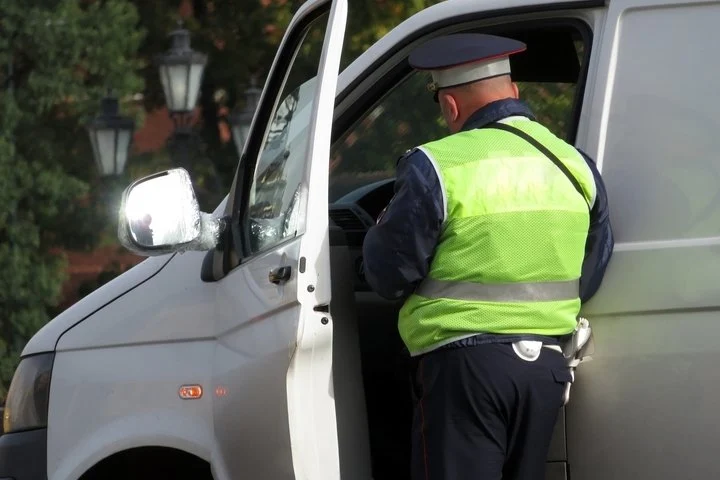
- 1 - Understanding Your Basic Rights During a Police Stop
- 2 - How to Communicate Effectively and Safely
- 3 - The Right to Remain Silent and Its Limits
- 4 - When Police Can Search Your Vehicle
- 5 - Real Cases That Highlight the Importance of Knowing Your Rights
- 6 - Seeking Expert Legal Advice After an Encounter
1 - Understanding Your Basic Rights During a Police Stop
Every citizen should know their rights when interacting with law enforcement. During a police stop, you have the right to remain silent, the right to refuse consent to a search in most situations, and the right to legal representation if questioned beyond basic identification. These rights are designed to protect you, but many people are unaware of them, leading to preventable mistakes in high-stress moments.

APEX LAW FIRM, APC. / apex law firm apc
PasadenaLos Angeles CountyCalifornia
150 S Los Robles Ave suite 710, Pasadena, CA 91101, USA
2 - How to Communicate Effectively and Safely
Communication plays a crucial role during a stop. Keep your hands visible, remain calm, and respond respectfully if asked for identification. While you should avoid volunteering unnecessary information, being cooperative with basic requests can prevent escalation. The key is balancing respect with the knowledge of your legal protections, ensuring both safety and fairness in the interaction.

Braden & Tucci / braden and tucci
Los AngelesLos Angeles CountyCalifornia
811 Wilshire Blvd 17th Floor, Los Angeles, CA 90017, USA
3 - The Right to Remain Silent and Its Limits
The right to remain silent is one of the most important protections you have. However, it does not mean refusing to identify yourself when lawfully required. Once you provide your name and identification, you are not obligated to answer additional questions without a lawyer present. Many legal experts stress that staying silent beyond the required basics can protect you from unintentionally incriminating yourself.
4 - When Police Can Search Your Vehicle
One of the most common questions people have is about vehicle searches. Generally, police need probable cause or your consent to search your car. For example, visible contraband or the smell of illegal substances can provide probable cause. However, without such justification, you are legally entitled to decline a search request. Understanding this distinction can prevent violations of your rights.
5 - Real Cases That Highlight the Importance of Knowing Your Rights
Across the U.S., there have been numerous cases where individuals faced unnecessary consequences simply because they did not understand their rights. For instance, a widely reported case in California involved a driver who allowed a search without probable cause, leading to charges that were later dismissed. Legal professionals often emphasize that awareness could have prevented the ordeal altogether.
6 - Seeking Expert Legal Advice After an Encounter
Even with the best preparation, encounters with law enforcement can be stressful and sometimes confusing. If you feel your rights were violated, it is essential to seek legal counsel promptly. Resources like Barber Law Hub can connect you with expert attorneys who specialize in protecting your rights and guiding you through legal procedures. Being proactive about getting advice can make a significant difference in the outcome of your case.






 Fedele & Honschke Attorneys at Law, L.L.C.4.0 (7 reviews)
 The Halks Firm5.0 (34 reviews)
 SL Law Group5.0 (16 reviews)
 Brittany Schmidt0.0 (0 reviews)
 Pasternack Tilker Ziegler Walsh Stanton & Romano L.L.P.4.0 (92 reviews)
 Blank Kim Injury Law5.0 (30 reviews)
 How to Avoid Common Legal Mistakes When Buying a Home – Expert Legal Advice
 How to Avoid Common Legal Mistakes When Buying a Home – Expert Advice
 Essential Guide to Starting a Nonprofit Organization – Legal Advice and Steps
 How to Legally Change Your Name – Expert Legal Advice
 What Happens If You Die Without a Will: What You Need to Know in 2024
 Understanding Child Custody Laws – Expert Legal Advice