
- 1. Introduction to Autonomous Taxi Fleets
- 2. Key Legal Regulations for Autonomous Taxis
- 3. Insurance and Liability Issues for Autonomous Taxis
- 4. Data Privacy and Safety Regulations for Self-Driving Taxis
- 5. Current and Potential Legal Challenges in Autonomous Taxi Operations
1. Introduction to Autonomous Taxi Fleets
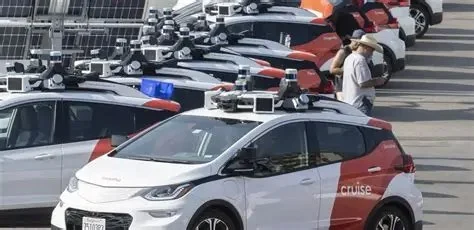
The rise of autonomous vehicles (AVs) has brought about significant changes in how we think about transportation. Autonomous taxi fleets, composed of self-driving cars used for ride-hailing services, are at the forefront of this transformation. Companies like Waymo, Cruise, and Tesla are making substantial investments in developing autonomous taxis, offering a glimpse of what the future of urban mobility may look like.
However, the widespread deployment of autonomous taxis raises numerous legal issues that need to be addressed. In the U.S., where transportation laws are primarily governed by state and local governments, these issues are complex and evolving. As the technology advances, it’s crucial for entrepreneurs, investors, and fleet operators to understand the legal framework surrounding autonomous taxi fleets.

Susan E. Wiesner A Law Corporation / susan wiesner lawyer
West HollywoodLos Angeles CountyCalifornia
9000 W Sunset Blvd 9th Fl, West Hollywood, CA 90069, USA
2. Key Legal Regulations for Autonomous Taxis
The legal landscape for autonomous taxi fleets is still developing, with different states taking varied approaches to regulation. Key areas of focus for autonomous taxi fleets include:

Law Office of Andy Miri / andy miri attorney
Los AngelesLos Angeles CountyCalifornia
900 Avila St, Los Angeles, CA 90012, USA
Federal Regulations
At the federal level, the National Highway Traffic Safety Administration (NHTSA) is responsible for establishing regulations that apply to autonomous vehicles. The NHTSA has issued guidelines for self-driving vehicles, which include safety requirements, testing protocols, and the eventual integration of these vehicles into existing transportation systems. However, there are no comprehensive federal laws yet that specifically govern autonomous taxis, leaving much of the responsibility to state-level regulation.
State-Level Regulations
Each state in the U.S. has its own laws regarding the use of autonomous vehicles. Some states, such as California and Arizona, are more permissive and have established detailed regulations to allow the testing and deployment of autonomous taxis. Other states may have limited or no specific laws addressing autonomous vehicles, leaving a legal gray area for companies to navigate.
In California, for example, the Department of Motor Vehicles (DMV) has set forth stringent rules for autonomous vehicle testing and public use, requiring companies to obtain permits for operating autonomous taxis. In contrast, Arizona has taken a more relaxed approach, permitting autonomous taxis to operate with fewer restrictions, which has attracted significant investment in testing and operations.
3. Insurance and Liability Issues for Autonomous Taxis
One of the most significant legal concerns for autonomous taxi fleets is insurance and liability. In the event of an accident involving an autonomous taxi, it’s essential to determine who is responsible for the damages—whether it’s the vehicle manufacturer, the fleet operator, or the software developer.
Insurance Requirements
Insurance for autonomous vehicles is a complex issue because traditional auto insurance models are not equipped to handle self-driving technology. Companies operating autonomous taxi fleets may need specialized insurance policies that cover both the vehicle and the technology behind it. This includes coverage for accidents caused by system malfunctions, cybersecurity breaches, or even human error in cases where remote drivers intervene.
Liability in Case of Accidents
Determining liability in an accident involving an autonomous taxi can be challenging. Unlike human-driven taxis, where liability typically rests with the driver, autonomous vehicles introduce new legal questions. If a crash occurs due to a software glitch or sensor malfunction, who is at fault? Should the manufacturer be held responsible for defects in the vehicle’s autonomous system, or is the fleet operator liable for ensuring proper maintenance and operation?
These questions will need to be addressed through new legal frameworks that take into account the unique nature of autonomous vehicles and the role that technology plays in their operation.
4. Data Privacy and Safety Regulations for Self-Driving Taxis
Another critical legal consideration for autonomous taxi fleets is the issue of data privacy and safety. Autonomous vehicles rely on a vast amount of data to navigate, including information about passengers, routes, and vehicle performance. The collection, storage, and use of this data raise important questions regarding privacy rights and security protocols.
Passenger Privacy
Autonomous taxis collect data about their passengers to optimize routes, track ride history, and improve service. This data can include personal information such as location, travel patterns, and payment details. Fleet operators must comply with existing data privacy laws, such as the General Data Protection Regulation (GDPR) for operations in Europe and the California Consumer Privacy Act (CCPA) in the U.S. to protect passenger information.
Cybersecurity Risks
Autonomous vehicles are highly dependent on software and connectivity, making them vulnerable to cyberattacks. A successful hack could lead to stolen passenger data, vehicle hijacking, or even accidents. Autonomous taxi fleet operators must implement robust cybersecurity measures to protect both their vehicles and passengers from potential threats. This includes encrypting data, ensuring software updates are secure, and working with cybersecurity experts to assess vulnerabilities regularly.
5. Current and Potential Legal Challenges in Autonomous Taxi Operations
The legal challenges surrounding autonomous taxis are vast and still unfolding. Some of the current and potential issues include:
Regulatory Gaps and Inconsistencies
As mentioned earlier, the lack of comprehensive federal regulation for autonomous taxis creates a patchwork of laws that vary by state. This inconsistency can make it difficult for autonomous taxi companies to expand nationwide, as they must navigate the legal requirements of each jurisdiction they operate in.
Public Safety Concerns
Public safety remains a significant concern with autonomous vehicles. While self-driving cars have the potential to reduce traffic accidents caused by human error, they are not without their risks. Accidents involving autonomous taxis, whether caused by technology failure or unforeseen circumstances, could harm public trust in the technology and lead to calls for stricter regulations or even a temporary ban on autonomous vehicles.
Ethical and Legal Considerations
In addition to safety concerns, there are ethical questions surrounding autonomous taxis. For example, how should an autonomous vehicle be programmed to make life-or-death decisions in unavoidable crash scenarios? These ethical issues will inevitably intersect with the legal framework, requiring lawmakers to balance innovation with safety and fairness.
For more information on navigating the legal landscape of autonomous taxi fleets or to get expert legal advice, visit CGS Law Hub, your trusted source for legal insights and services related to autonomous vehicle laws and regulations.






 E. Vance Winningham & Associates4.0 (40 reviews)
 JEELANI LAW FIRM, PLC - FRESH MEADOWS1.0 (1 reviews)
 Law Offices of Mayo Bartlett PLLC4.0 (37 reviews)
 Curran Estate & Elder Law, PLLC4.0 (70 reviews)
 Nale And Nale Lawyer5.0 (1 reviews)
 Patrick Cotter, Attorney5.0 (10 reviews)
 How to Contest a Traffic Ticket and Win – Expert Legal Guide 2024
 Understanding Your Tenant Rights in Rental Disputes: A Comprehensive Guide
 What to Know Legally About U.S. Laws Governing Autonomous Taxi Fleets
 The Basics of Intellectual Property Rights – Understanding Your Legal Protections
 What to Know Before Signing a Lease Agreement – Essential Legal Advice
 How to Expunge a Criminal Record – A Complete Guide