
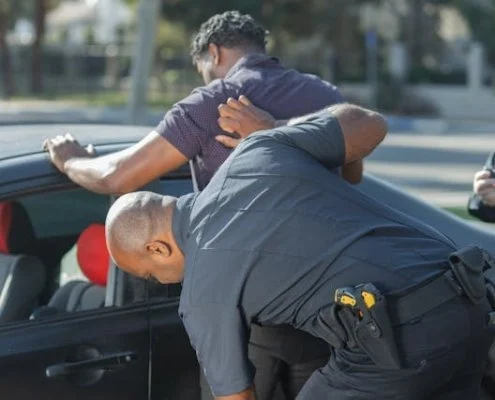
1. Introduction: Understanding Your Rights During a Police Stop
Getting stopped by the police can be an intimidating experience, and many people are unsure of their legal rights during such an encounter. Whether you’re driving a car, walking down the street, or simply waiting at a bus stop, it’s important to know how to protect yourself and your rights when interacting with law enforcement officers.
This article will provide a comprehensive overview of your rights during a police stop. From your right to remain silent to your right against unreasonable searches, we’ll cover what you need to know to stay informed and ensure that your rights are upheld during any police encounter.

Employee Justice Legal Group PC / employee justice legal group pc
Los AngelesLos Angeles CountyCalifornia
1001 Wilshire Blvd 2nd Floor, Los Angeles, CA 90017, USA
2. What Constitutes a Police Stop?
First, it’s important to understand what a "police stop" actually means. A police stop occurs when a law enforcement officer temporarily detains you for questioning or investigation. There are generally three types of police stops:
- Traffic Stops: When a police officer pulls over your vehicle, typically due to a traffic violation or suspicion of a crime.
- Investigatory Stops: When a police officer stops you for questioning based on reasonable suspicion that you may be involved in criminal activity.
- Search Stops: These are rare and usually occur when an officer has reasonable suspicion or probable cause to believe that you are carrying something illegal or harmful.
Understanding the type of stop can help clarify what the officer is allowed to do during the encounter and how you should respond.

Levin & Nalbandyan LLP / jacob nalbandyan
Los AngelesLos Angeles CountyCalifornia
811 W 7th St 12th floor, Los Angeles, CA 90017, USA
3. Your Rights During a Traffic Stop
When stopped by police while driving, it’s essential to know your rights as a driver. Here’s what you can expect during a routine traffic stop:
3.1. Right to Remain Silent
One of the most important rights you have during a traffic stop is the right to remain silent. You are not required to answer any questions beyond providing your name, address, license, and registration. While you may be required to provide identification if asked, you do not have to answer questions such as, “Where are you going?” or “Where are you coming from?”
Remember that anything you say can be used against you, so it’s wise to exercise your right to remain silent. If an officer begins asking questions unrelated to the stop, you have the right to politely decline to answer.
3.2. Right Against Unreasonable Searches
During a traffic stop, police may not search your vehicle without your consent unless they have probable cause or a valid reason. This can include situations where the officer believes they have found something illegal, such as drugs or weapons. However, if an officer wants to search your vehicle, you have the right to refuse unless they present a search warrant or have clear justification for the search.
If you are asked for consent to search your vehicle, you can calmly and respectfully decline. Remember, refusal does not give the officer the right to arrest you, but it may escalate the situation, so always remain calm.
3.3. Right to Ask if You Are Free to Go
If the police stop you for questioning and you are not being detained or arrested, you have the right to ask, “Am I free to go?” If the officer says yes, you are allowed to leave the scene. If the officer says no, you are being detained, and you should politely ask why. If you are unsure about whether you are being detained, it's always advisable to seek clarity on your status during the stop.
4. What to Do If You Are Stopped Without a Warrant
If you are stopped and the police do not have a warrant or probable cause, it is important to remain calm and know how to respond. Officers must have either reasonable suspicion or probable cause to stop you, but if they lack this, you do not have to submit to the stop. Here’s what you should do in such situations:
- Remain Calm: Always remain calm, polite, and respectful during a stop, even if you feel the stop is unjustified.
- Ask for Identification: You have the right to ask for the officer’s badge number and identification if you feel your rights are being violated.
- Record the Incident: If possible, record the encounter with your phone or camera. Many police departments have body cameras, but recording your own experience can provide evidence if needed.
5. Your Right to Legal Representation
If you are arrested during a police stop, you have the right to legal representation. This means that you can request a lawyer at any point during your detention or arrest. It is important to exercise this right if you are unsure about the legal consequences of your actions or if the situation becomes more complicated.
Having a lawyer present can help ensure that your rights are protected and that you are not coerced into making statements that may be used against you in court. Remember, you do not have to answer any questions once you request an attorney.
6. Case Study: A Traffic Stop Gone Wrong
Let’s look at the case of Alex, who was stopped by the police in Texas for a routine traffic violation. During the stop, the officer asked Alex several questions unrelated to the reason for the stop, such as where he was going and what he was carrying in the car. Alex, knowing his rights, politely declined to answer these questions, stating he preferred to remain silent.
When the officer asked to search the vehicle, Alex refused and asked if he was free to go. After some tense moments, the officer confirmed Alex was free to leave, and the interaction ended peacefully. This case highlights the importance of knowing your rights and staying calm during a police encounter. If Alex had not been aware of his rights, he might have unknowingly incriminated himself or allowed an unwarranted search of his vehicle.
7. How Barber Law Hub Can Help You Understand Your Rights
At Barber Law Hub, we understand the importance of knowing your legal rights, especially when it comes to interactions with law enforcement. If you ever find yourself in a situation where your rights are being violated or if you need legal advice regarding a police stop, we are here to help. Our experienced attorneys can provide expert guidance and ensure that your rights are protected at every stage of your legal journey.
Visit Barber Law Hub for more information on how we can assist you in understanding and exercising your rights effectively.
8. Conclusion: Know Your Rights and Protect Yourself
Understanding your rights during a police stop is essential to ensuring that you are treated fairly and that you are not subjected to unnecessary searches or questioning. By staying calm, knowing when to remain silent, and being aware of your right to legal representation, you can protect yourself and safeguard your freedoms during any police encounter. Always remember: your rights are there to protect you, so don’t hesitate to exercise them if needed.





 Fedele & Honschke Attorneys at Law, L.L.C.4.0 (7 reviews)
 The Halks Firm5.0 (34 reviews)
 SL Law Group5.0 (16 reviews)
 Brittany Schmidt0.0 (0 reviews)
 Pasternack Tilker Ziegler Walsh Stanton & Romano L.L.P.4.0 (92 reviews)
 Blank Kim Injury Law5.0 (30 reviews)
 How to Avoid Common Legal Mistakes When Buying a Home – Expert Legal Advice
 How to Avoid Common Legal Mistakes When Buying a Home – Expert Advice
 Essential Guide to Starting a Nonprofit Organization – Legal Advice and Steps
 How to Legally Change Your Name – Expert Legal Advice
 What Happens If You Die Without a Will: What You Need to Know in 2024
 Understanding Child Custody Laws – Expert Legal Advice