
- Overview of Shared Electric Scooters
- Legal Liability for Scooter Accidents
- User Responsibilities When Using Shared Scooters
- Insurance and Coverage for Scooter Users
- Real-Life Case Studies: Scooter Accidents and Legal Outcomes
Overview of Shared Electric Scooters
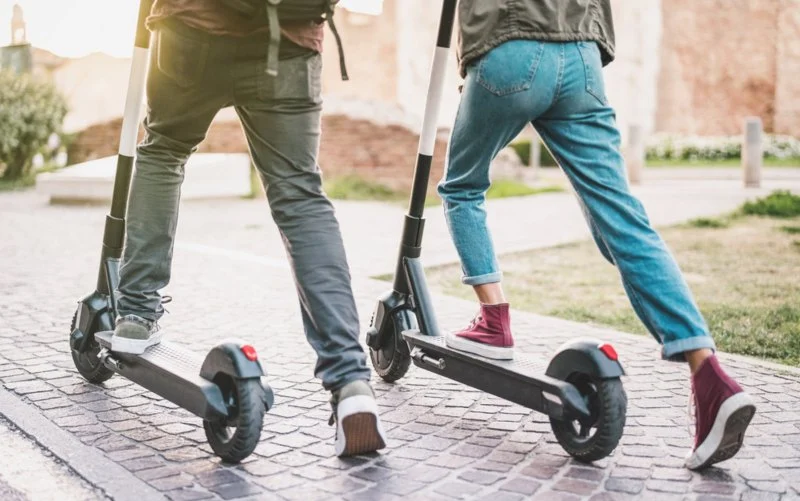
Shared electric scooters have rapidly become a popular mode of transportation in cities across the United States. These convenient, eco-friendly vehicles offer a quick way to travel short distances, particularly in urban environments. Companies like Lime, Bird, and Spin provide scooters that can be rented via mobile apps, allowing users to easily access them for short trips.
Despite their growing popularity, shared electric scooters come with certain risks. Users need to be aware of their legal responsibilities and potential liabilities when using these vehicles. Whether you are renting a scooter for a few minutes or using it daily, understanding the legal aspects of shared electric scooter use is crucial to ensure safety and avoid legal troubles.

The Darvish Firm, APC / elan darvish
Los AngelesLos Angeles CountyCalifornia
10940 Wilshire Blvd #800, Los Angeles, CA 90024, USA
Legal Liability for Scooter Accidents
As with any mode of transportation, accidents can happen when using electric scooters. These accidents can lead to personal injuries, property damage, or collisions with pedestrians, vehicles, or other cyclists. The legal liability for these accidents depends on several factors, including who was at fault, the terms of service provided by the scooter rental company, and local laws.

Braden & Tucci / braden and tucci
Los AngelesLos Angeles CountyCalifornia
811 Wilshire Blvd 17th Floor, Los Angeles, CA 90017, USA
1. Responsibility of the Scooter User
In general, the user of the electric scooter is responsible for operating the vehicle safely and following traffic laws. This includes wearing a helmet (if required by local laws), riding in designated lanes, and not riding under the influence of alcohol or drugs. In the case of an accident, the user’s behavior and adherence to these rules will be scrutinized to determine liability.
2. Responsibility of the Scooter Company
While scooter companies provide the vehicles, they are generally not responsible for accidents that occur due to user negligence. However, some companies may be liable if there was a defect in the scooter itself or if the vehicle was improperly maintained. Additionally, scooter companies typically include clauses in their user agreements that limit their liability for accidents, but these clauses are subject to local consumer protection laws.
3. Third-Party Liability
If an accident involves a third party, such as a pedestrian or another vehicle, the situation becomes more complex. In some cases, the scooter rider may be found at fault for the accident, or the scooter company may be partially liable for failing to provide adequate signage or maintaining safe conditions. It's essential to be aware of the specific laws in your area regarding shared electric scooters to understand how third-party claims are handled.
User Responsibilities When Using Shared Scooters
Users of shared electric scooters have several key responsibilities to minimize the risk of accidents and ensure they comply with the law. These responsibilities may vary depending on the location and scooter provider, but generally include the following:
1. Familiarize Yourself with Local Laws
Before using a shared electric scooter, it’s essential to familiarize yourself with the local regulations that govern scooter use. Many cities have specific laws regarding where scooters can be ridden, speed limits, and helmet requirements. Violating these laws can lead to fines or liability in the event of an accident.
2. Inspect the Scooter Before Use
It’s important to inspect the scooter before riding to ensure it is in good working condition. Check for things like tire pressure, brakes, and lights. If the scooter is damaged or appears unsafe, report it to the provider and avoid riding it. Riding a damaged scooter can increase the likelihood of accidents and may make you liable for any resulting injuries.
3. Use Proper Riding Etiquette
When riding a shared scooter, it’s essential to use proper etiquette to avoid collisions with pedestrians or other vehicles. Always yield to pedestrians, use bike lanes when available, and follow traffic signals. Riding responsibly can help prevent accidents and keep you safe while using shared scooters.
Insurance and Coverage for Scooter Users
Insurance coverage for electric scooters is another critical aspect of managing risk. While many shared scooter providers offer limited liability insurance to cover accidents, this coverage may not fully protect you in all cases. It’s essential to understand what’s covered and what isn’t when you rent a scooter.
1. Scooter Provider Insurance
Most shared scooter companies provide insurance that covers accidents involving their vehicles. This insurance typically covers personal injury, property damage, and third-party claims. However, the coverage limits may vary by company and location, and the insurance may only cover accidents that occur while riding the scooter and adhering to the provider's rules.
2. Personal Injury Insurance
If you’re concerned about personal injury coverage, it’s a good idea to check with your personal health insurance provider to see if they cover scooter-related injuries. Additionally, some renters may choose to purchase supplemental insurance offered by the scooter rental company or third-party providers to ensure they are adequately covered.
3. Liability Coverage for Third-Party Damage
If you’re involved in an accident that damages property or injures a third party, you may be liable for the costs. Some shared scooter providers include liability coverage for third-party damage, but it’s important to read the terms of service to understand the extent of this coverage. In some cases, you may need to purchase additional insurance to protect yourself financially.
Real-Life Case Studies: Scooter Accidents and Legal Outcomes
Several real-life cases highlight the legal complexities surrounding shared electric scooters. In one notable case, a scooter rider in California was involved in an accident with a pedestrian. While the rider was following the rules, the pedestrian claimed that the rider’s speed and failure to yield caused the collision. After an investigation, the rider’s liability was partially mitigated because the scooter company had not properly marked the lane for scooter use. This case underscores the importance of both rider responsibility and the scooter company’s duty to maintain safe riding environments.
In another case in New York, a rider sued a scooter company after an accident in which the scooter’s brakes failed. The court ruled in favor of the rider, finding the scooter company responsible for not adequately maintaining the vehicle. This case highlights the potential legal liabilities faced by scooter companies when it comes to equipment safety.
These cases demonstrate how complex scooter-related legal issues can be and emphasize the importance of understanding liability when using shared electric scooters. Riders should be aware of their legal rights and responsibilities to avoid potential lawsuits or claims.
If you're seeking expert legal advice on shared electric scooter liability or need assistance navigating these legal matters, visit CGS Law Hub for the best resources and professional guidance tailored to your needs.





 Margolis Law Firm, P.A.4.0 (200 reviews)
 Law Office of Christine Contreras5.0 (90 reviews)
 Law Office Of Edwin Aimufua3.0 (3 reviews)
 Capron, Avgerinos, & Heinlen, P.C.4.0 (39 reviews)
 Gallium Law4.0 (38 reviews)
 Dalli & Marino LLP - Personal Injury & Nursing Home Abuse Attorneys0.0 (0 reviews)
 How to Choose the Right Lawyer for Your Case – Expert Tips for Clients
 A Step-by-Step Guide to Writing a Will
 How to Contest a Traffic Ticket and Win – Expert Legal Advice
 How to Write a Will: Step-by-Step Guide to Creating Your Will
 Understanding Bankruptcy Options: Your Path to Financial Recovery
 What to Do If You Are Injured in a Car Accident – Expert Legal Advice