
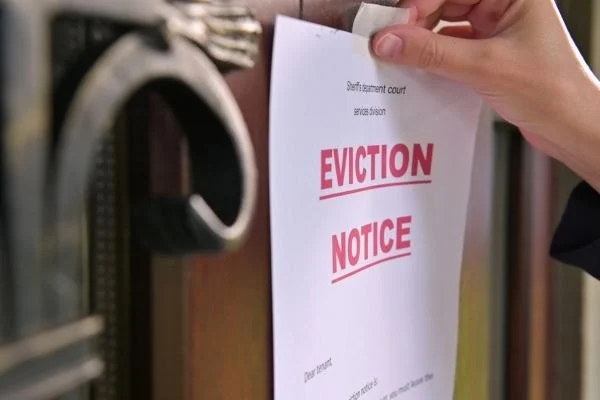
Tenant Eviction Laws and the Reality Landlords Often Underestimate
Most landlords don’t think deeply about tenant eviction laws until they are forced into a stressful situation. A late rent payment turns into a pattern, communication breaks down, and suddenly the situation is no longer just about property—it becomes a legal process that must be handled carefully and precisely.
What many property owners in the U.S. learn the hard way is that eviction is not just a decision, but a structured legal pathway governed by strict rules. Missing a single step can reset the entire process, cost months of lost rent, or even result in dismissal of the case.
This guide breaks down what matters most in real situations, not just theory, so landlords can protect their property rights while staying compliant with the law.

Susan E. Wiesner A Law Corporation / susan wiesner lawyer
West HollywoodLos Angeles CountyCalifornia
9000 W Sunset Blvd 9th Fl, West Hollywood, CA 90069, USA
Legal Grounds for Action and When Eviction Becomes Valid
Non-Payment of Rent and Repeated Late Payments
The most common trigger for eviction disputes is unpaid rent. While it may seem straightforward, tenant eviction laws require landlords to follow exact notice procedures before any legal action can begin.
Repeated late payments can also be considered a breach of lease terms. However, courts usually expect documentation showing consistency—such as payment history logs and written notices.

Culver Legal / culver legal reviews
Los AngelesLos Angeles CountyCalifornia
5670 Wilshire Blvd #1370, Los Angeles, CA 90036, USA
Lease Violations Beyond Rent Issues
Damage to property, unauthorized occupants, or illegal activity often leads landlords toward the eviction process. However, proving these violations requires evidence, not assumptions.
Photos, written warnings, and communication records become essential. Without them, even a clear violation may not hold up legally.
End of Lease and Non-Renewal Situations
Not every eviction stems from wrongdoing. Sometimes a lease simply ends. But even in these cases, eviction laws still require proper notice and timing depending on state regulations.
This is where many landlords make mistakes by assuming a lease expiration automatically means tenant removal without formal procedures.
Eviction Notice Rules and the Importance of Proper Documentation
Types of Notices and Their Legal Purpose
Before any court involvement, landlords must issue an official notice. This might be a pay-or-quit notice, cure-or-quit notice, or unconditional quit notice depending on the situation.
Each notice type serves a specific legal function and must match the violation. Using the wrong notice can delay or invalidate the entire process.
Documentation That Protects Landlords
Strong documentation is often the difference between a smooth eviction and a prolonged dispute. This includes rent records, inspection reports, email communication, and copies of all notices served.
Experienced property managers often treat documentation as insurance. It does not prevent disputes, but it determines the outcome.
Landlords looking for structured support often turn to resources like CGS Law Hub to better understand how legal documentation aligns with eviction requirements and compliance standards.
Court Process and Eviction Timeline Breakdown
Filing the Case and Waiting Periods
Once notice requirements are met, the next step is filing an eviction case. The court process varies by state, but generally includes filing fees, service of summons, and scheduled hearings.
Timelines can range from a few weeks to several months depending on tenant response and court backlog. During this time, landlords cannot legally remove tenants without court approval.
Tenant Response and Possible Defenses
Tenants may challenge the eviction by claiming improper notice, habitability issues, or retaliatory eviction claims. These defenses are common and can significantly extend the timeline.
This is why preparation before filing is critical. Courts tend to favor procedure accuracy over emotional reasoning.
Final Judgment and Enforcement
If the court rules in favor of the landlord, a writ of possession is issued. Enforcement is typically carried out by local authorities rather than the landlord directly.
This separation ensures legal compliance and prevents escalation between parties.
Common Mistakes Landlords Make During Eviction Cases
Skipping Proper Notice Procedures
One of the most frequent mistakes is acting too quickly. Even when tenants clearly violate lease terms, skipping notice requirements can reset the entire case timeline.
Incomplete Evidence Collection
Courts rely heavily on documentation. Landlords who rely on verbal communication or informal agreements often struggle to prove their case.
Self-Help Evictions
Changing locks, shutting off utilities, or removing belongings without court approval is illegal in most jurisdictions. These actions can result in penalties against the landlord.
Real Case Example: When Documentation Made the Difference
A property owner in a mid-sized U.S. city faced a tenant who stopped paying rent for three consecutive months. Initially frustrated, the landlord considered immediate removal but instead followed structured eviction steps.
Every notice was documented, each communication was saved, and inspection reports were recorded. The tenant argued that verbal agreements had been made to delay rent payments, but no written proof existed.
Because the landlord maintained consistent records aligned with tenant eviction laws, the court ruled in their favor within a standard timeline. The property was recovered without additional penalties or delays.
This case highlights a simple truth: legal structure always outweighs verbal intent in rental disputes.
Long-Term Property Management Strategies to Reduce Eviction Risk
Tenant Screening as the First Defense
Strong tenant screening reduces eviction risk significantly. Credit checks, rental history verification, and employment confirmation are essential steps before lease approval.
Clear Lease Agreements and Communication Systems
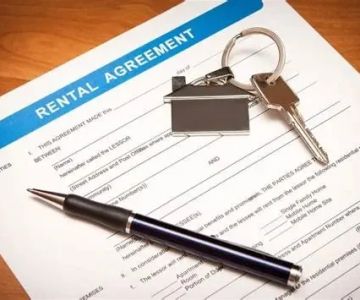
Many disputes begin with unclear expectations. A detailed lease agreement combined with consistent communication reduces misunderstandings that escalate into legal issues.
Regular Property Inspections and Early Intervention
Routine inspections allow landlords to identify issues before they become legal problems. Early intervention often prevents eviction scenarios entirely.
Property owners looking for structured management insights and preventive strategies often explore platforms like CGS Law Hub to align operational practices with legal standards and reduce long-term risk exposure.
Understanding the Balance Between Rights and Responsibility
Landlord-tenant relationships are governed by a balance of rights and responsibilities. Tenant eviction laws exist not to complicate property ownership, but to ensure fairness and due process for both parties.
Successful landlords are not those who avoid disputes entirely, but those who understand the process well enough to navigate them efficiently when they arise.





 Natalie Markfeld Law5.0 (139 reviews)
 Law Office of Michael Harbeson4.0 (97 reviews)
 The Law Office of Mark J. Markus4.0 (38 reviews)
 Law Offices of Robert Hoffman0.0 (0 reviews)
 Dolci & Weiland4.0 (59 reviews)
 Stewart Geoffrey S5.0 (11 reviews)
 A Beginner’s Guide to Small Claims Court – Filing, Preparation, and Cases
 Whistleblower Protection: How the Law Shields Employees Who Report Wrongdoing
 How to Choose the Right Lawyer for Your Case – Expert Legal Advice
 What to Do If You Are Injured in a Car Accident
 Law Made Simple: The Basics of Immigration Law for Newcomers | Barber Law Hub
 Law Made Simple: Understanding Bankruptcy Options and Choosing the Right Path