
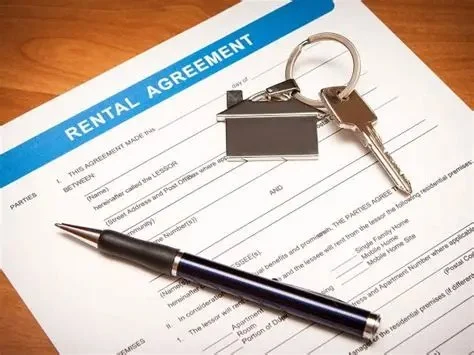
What Your Landlord Is Legally Required to Provide—and What Tenants Often Miss
- basic-housing-rights-explained - core protections every renter should understand
- landlord-legal-duties-breakdown - what property owners must maintain by law
- habitability-standards-real-cases - how unsafe housing disputes actually play out
- common-violations-and-red-flags - issues tenants frequently overlook
- how-to-protect-yourself-as-tenant - practical steps for enforcing your rights
Understanding Renters’ Rights in Everyday Life
When people move into a rental home, they usually focus on rent price, location, and layout. What often gets ignored is the legal foundation underneath the agreement. The topic of Renters’ Rights & What Your Landlord Must Legally Provide becomes important only when something goes wrong—like a broken heater in winter or mold that won’t go away.
But renters’ rights are not just emergency tools. They are built-in protections designed to ensure that housing remains safe, functional, and livable from day one.

Quill & Arrow LLP / quill and arrow reviews
Los AngelesLos Angeles CountyCalifornia
10880 Wilshire Blvd Suite 1600, Los Angeles, CA 90024, USA
What “Legally Habitable Housing” Really Means
The baseline standard every rental must meet
In the United States, landlords are required to maintain what is often called the “warranty of habitability.” This means the property must be fit for human living—not perfect, but safe and structurally sound.
At minimum, a landlord must ensure working plumbing, heating during cold seasons, secure doors and windows, and a structure free from major hazards.

Hanlon Law Group P.C. / hanlon law group pc
Los AngelesLos Angeles CountyCalifornia
555 W 5th St 35th floor, Los Angeles, CA 90013, USA
What happens when habitability is ignored
A widely discussed case in online tenant forums involved a renter in a humid coastal city dealing with persistent black mold. The landlord repeatedly delayed repairs, claiming it was “cosmetic.” Eventually, the tenant documented the issue and involved local housing authorities, leading to mandated remediation and rent adjustments.
This type of situation is more common than many realize, especially in older buildings where maintenance is deferred.
Landlord Legal Obligations Beyond Repairs
Essential utilities and safe living conditions
Landlords are generally required to maintain access to essential services such as water, electricity, and safe heating systems. If any of these fail due to neglect, it can become a legal violation rather than a simple inconvenience.
Structural maintenance responsibilities
This includes roofing, walls, flooring, and foundational safety. Even issues like persistent leaks or unsafe staircases can fall under legal responsibility if they impact livability.
Many tenants underestimate how broad these obligations actually are, assuming that only “major damage” counts. In reality, even ongoing minor hazards can accumulate into legal liability.
Tenant Rights That Are Often Overlooked
Privacy and proper notice rules
One of the most misunderstood renters’ rights involves privacy. Landlords cannot enter a rental unit without proper notice except in emergencies. In most states, advance notice is required for inspections or repairs.
Protection from retaliation
If a tenant reports unsafe conditions, landlords are not allowed to retaliate by raising rent, reducing services, or attempting eviction without legal cause. Unfortunately, retaliation still happens in subtle forms, which is why documentation is critical.
Security deposit handling
Security deposits must be handled according to state laws, including timelines for return and itemized deductions. Many disputes arise when landlords fail to provide clear breakdowns of withheld funds.
Real-Life Tenant Story: When Knowledge Changed Everything
A broken heater during winter
A renter in a midwestern city experienced repeated heater failures during a cold season. Initially, the landlord offered temporary space heaters instead of fixing the system. The tenant assumed this was acceptable.
After researching renters’ rights, the tenant learned that heating is part of legal habitability requirements. With proper documentation and communication, the landlord was required to replace the system fully.
Why documentation made the difference
Photos, maintenance requests, and written communication created a clear timeline of neglect. This evidence was essential in ensuring compliance with housing regulations.
Common Violations Tenants Should Watch For
Slow response to repair requests
Delays in addressing plumbing leaks, electrical issues, or pest infestations can escalate quickly. What starts as inconvenience can become structural damage or health risk.
Unsafe environmental conditions
Issues like mold, asbestos in older buildings, or pest infestations may violate health standards depending on severity and persistence.
Illegal lease clauses
Some lease agreements include terms that conflict with state law, such as waiving repair responsibilities or limiting legal rights. These clauses are often unenforceable, even if signed.
How Tenants Can Protect Their Rights Effectively
Keeping written records from day one
Every maintenance request should be documented in writing. Emails and messages create a timeline that can support future claims if disputes arise.
Understanding local housing laws
Renters’ rights vary by state and city, meaning local regulations are just as important as federal guidelines. Knowing these rules can prevent misunderstandings and strengthen a tenant’s position.
Escalation when necessary
If issues remain unresolved, tenants may need to contact housing authorities or tenant advocacy groups. In many cases, formal complaints prompt faster resolution than repeated informal requests.
How Legal Awareness Shapes Better Renting Experiences
Understanding renters’ rights changes the dynamic between tenants and landlords. Instead of uncertainty, there is structure. Instead of confusion, there is clarity about responsibilities on both sides.
This awareness also reduces long-term conflict. When expectations are clear, most housing issues can be resolved before escalating into legal disputes.
Where Tenants Often Seek Guidance and Support
Many renters turn to legal education platforms and housing guidance resources like CGS Law Hub to better understand lease agreements, dispute resolution options, and landlord obligations. Access to reliable information often determines whether a minor issue becomes a major legal conflict or a simple fix.
Being informed is not about confrontation—it is about ensuring safe, fair, and lawful housing conditions for everyone involved.




 McQuagge Law Firm5.0 (2 reviews)
 Law Offices of Mary E. Davis4.0 (54 reviews)
 Law Offices of Anthony Dipietro, P.C.5.0 (4 reviews)
 Weatherby Law Firm, PC5.0 (10 reviews)
 The Diaz Law Firm, LLC3.0 (87 reviews)
 Harrison LLP4.0 (24 reviews)
 The Basics of Immigration Law for Newcomers – Expert Legal Advice
 How to Legally Handle a Structuring Dispute in an Estate Among Heirs
 How to Contest a Traffic Ticket and Win – Expert Legal Tips
 A Step-by-Step Guide to Writing a Will: What You Need to Know in 2024
 The Basics of Intellectual Property Rights – Expert Legal Advice
 Your Rights During a Police Stop | CGS Law Hub