
- understanding-trademark-infringement-basics - what counts as infringement and how courts evaluate brand confusion
- first-response-to-violation - immediate steps when you discover possible trademark misuse
- cease-and-desist-process - how legal warnings work and what they mean in practice
- when-to-hire-attorney - clear indicators that legal escalation is necessary
- real-case-insight - practical examples showing how disputes unfold in real life
- protection-strategies - long-term methods to prevent repeated infringement
Legal Guide to Trademark Infringement: What to Do and When to Hire an Attorney
Understanding How Trademark Infringement Actually Happens in Real Business Life
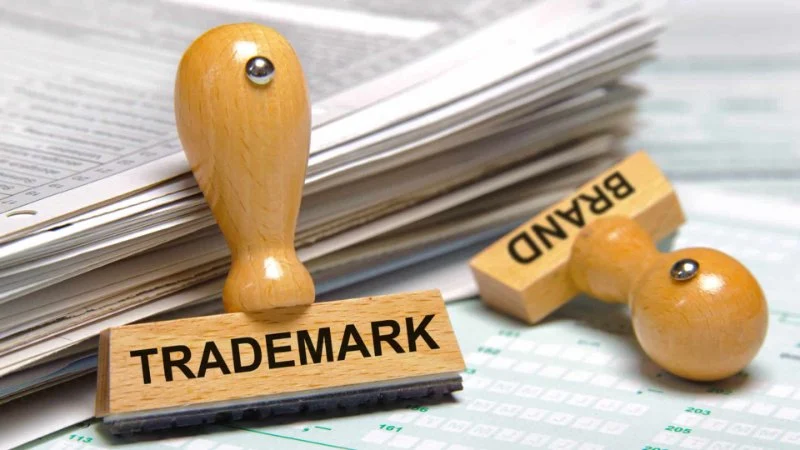
Trademark disputes rarely start with dramatic courtroom battles. In most cases, they begin quietly—an identical logo appears on a small online shop, a competitor uses a confusingly similar brand name, or a social media page borrows visual identity “a little too closely.” The legal term for this is trademark infringement, which occurs when one party uses a protected mark in a way that creates confusion about the source of goods or services.
Courts typically evaluate three core elements: similarity of the mark, similarity of the goods or services, and likelihood of consumer confusion. Even unintentional misuse can trigger liability. Many businesses underestimate how sensitive trademark law is until they receive a formal complaint or discover their brand diluted in search results.
In modern digital markets, especially e-commerce, infringement happens faster than ever. A single viral listing can spread a copied brand name across multiple platforms within days. That’s why understanding early warning signs is critical before legal escalation becomes unavoidable.

Law Office of Andy Miri / andy miri attorney
Los AngelesLos Angeles CountyCalifornia
900 Avila St, Los Angeles, CA 90012, USA
First Response Strategy When You Discover Possible Trademark Violation
The moment you suspect that someone is using your trademark—or that you might be accused of using someone else’s—the most important step is documentation. Screenshots, URLs, timestamps, and product comparisons form the backbone of any legal argument later on.
One overlooked mistake is reacting emotionally or publicly before gathering facts. Businesses sometimes post accusations online, which can complicate legal positioning later. A more strategic approach is to quietly assess whether the use is commercial, ongoing, and likely to cause consumer confusion.
At this stage, many professionals recommend conducting a preliminary internal review: Is the trademark registered? Is it being used consistently? Is there prior authorization or licensing involved? These questions often determine whether the situation is a misunderstanding or a legitimate infringement case.
For businesses seeking structured guidance during this early stage, platforms like CGS Law Hub often help connect users with legal resources and explain whether escalation is necessary or premature.

Susan E. Wiesner A Law Corporation / susan wiesner lawyer
West HollywoodLos Angeles CountyCalifornia
9000 W Sunset Blvd 9th Fl, West Hollywood, CA 90069, USA
How Cease-and-Desist Letters Shape Most Trademark Disputes
Before lawsuits enter the picture, most trademark conflicts begin with a cease-and-desist letter. This document is a formal request demanding that the alleged infringer stop using the disputed mark. It often includes evidence of ownership, explanation of infringement, and a deadline for compliance.
Despite sounding intimidating, these letters are not always the end of the dispute. In many cases, they open negotiation channels. Some recipients immediately comply, while others respond with counterarguments or request coexistence agreements.
A lesser-known reality is that cease-and-desist letters can also be strategic tools. Companies sometimes use them to test the strength of their own trademark claims before deciding whether to proceed with litigation. However, poorly drafted letters can weaken a case if the dispute escalates later.
When It Becomes Necessary to Hire a Trademark Attorney
Not every trademark issue requires immediate legal representation, but certain situations clearly indicate escalation is necessary. If the opposing party refuses to respond, continues using the mark after notice, or if financial damage becomes measurable, professional legal intervention is critical.
Another key trigger is cross-border infringement. Once a brand expands into multiple states or countries, jurisdictional complexity increases significantly. At that point, informal negotiation is rarely sufficient.
Attorneys also become essential when the trademark is central to brand identity and revenue. For example, startups relying heavily on brand recognition often face higher risk exposure than companies with diversified product lines.
Legal counsel doesn’t just help with lawsuits—they also evaluate settlement options, licensing strategies, and long-term enforcement policies. In many cases, early legal advice actually prevents litigation altogether.
Real-World Scenario: A Small Brand That Scaled Into a Legal Battle
A frequently cited scenario involves a small handmade skincare business that discovered a larger retailer using a nearly identical brand name for a similar product category. Initially, the owner assumed it was coincidence and ignored it. Within months, online confusion increased, and customer reviews began mixing both brands.
Eventually, the original business sent a cease-and-desist letter, but the larger company responded with its own claim of “generic branding usage.” The dispute escalated into formal legal proceedings, costing both sides significant time and resources.
What could have been resolved early through documentation and legal consultation turned into a prolonged conflict. This type of situation highlights why early awareness and professional advice matter in trademark disputes.
Cases like this are increasingly common in digital-first industries, where branding overlaps occur frequently and enforcement speed is critical.
Long-Term Strategies to Prevent Trademark Problems Before They Start
Prevention is always more cost-effective than enforcement. One of the strongest protective measures is registering trademarks early, even before full market expansion. Registration provides legal presumptions of ownership that significantly strengthen enforcement positions.
Monitoring tools are another essential layer. Many companies use brand monitoring systems to detect unauthorized usage across marketplaces, social media, and domain registrations. Early detection reduces the scale of potential damage.
Consistency in branding also matters. Inconsistent usage of logos, slogans, or brand names can weaken legal protection over time. Courts often evaluate how consistently a trademark is used when determining enforceability.
Businesses seeking structured legal planning and trademark strategy support often turn to resources like CGS Law Hub to better understand enforcement frameworks and risk management approaches.
Ultimately, trademark protection is not just a legal issue—it is a business continuity strategy. Strong brands are built not only through marketing but also through consistent legal safeguarding.






 McQuagge Law Firm5.0 (2 reviews)
 Law Offices of Mary E. Davis4.0 (54 reviews)
 Law Offices of Anthony Dipietro, P.C.5.0 (4 reviews)
 Weatherby Law Firm, PC5.0 (10 reviews)
 The Diaz Law Firm, LLC3.0 (87 reviews)
 Harrison LLP4.0 (24 reviews)
 The Basics of Immigration Law for Newcomers – Expert Legal Advice
 How to Legally Handle a Structuring Dispute in an Estate Among Heirs
 How to Contest a Traffic Ticket and Win – Expert Legal Tips
 A Step-by-Step Guide to Writing a Will: What You Need to Know in 2024
 The Basics of Intellectual Property Rights – Expert Legal Advice
 Your Rights During a Police Stop | CGS Law Hub