
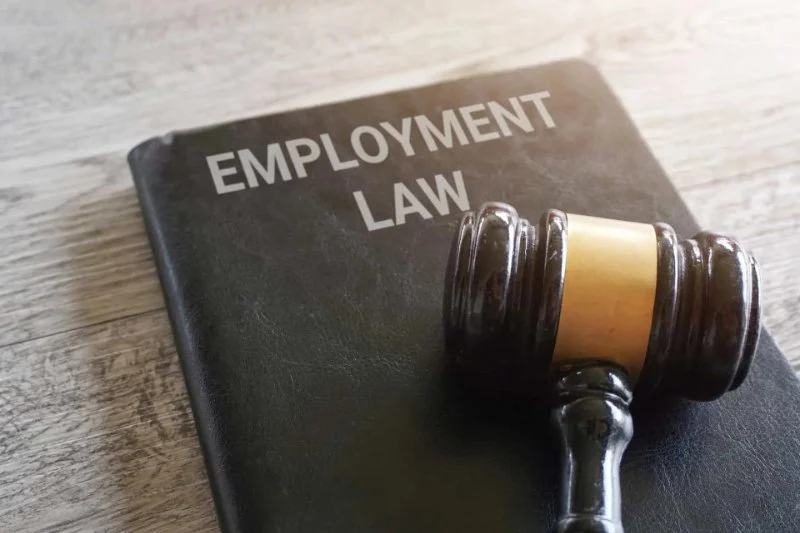
Understanding Employment Law for Workers
- 1-Basics of Employment Law Every Worker Should Know
- 2-Workers’ Rights in the Workplace
- 3-Common Employment Law Disputes and How to Handle Them
- 4-When and How to Seek Legal Help in Employment Issues
- 5-Real-Life Examples of Employment Law in Action
- 6-Resources Available for Workers to Understand Employment Law
1. Basics of Employment Law Every Worker Should Know
Employment law encompasses a broad range of legal issues relating to the relationship between employers and employees. These laws protect workers’ rights, set standards for working conditions, and ensure fair treatment in the workplace. Here are the key components of employment law that every worker should understand:
- Minimum Wage: Federal and state laws set minimum wage levels that employers must pay to employees. Understanding these rates is crucial to ensure fair compensation for your work.
- Working Hours and Overtime: Workers are entitled to overtime pay for hours worked beyond the standard 40-hour workweek. It’s important to know when you are entitled to overtime pay and how much you should be compensated.
- Non-Discrimination and Equal Opportunity: Employment laws prohibit discrimination based on race, gender, age, disability, or other protected characteristics. Employers must ensure that all workers have equal opportunities.
- Workplace Safety: The Occupational Safety and Health Administration (OSHA) ensures that workplaces meet safety standards. Workers should be aware of their right to a safe working environment.
These laws ensure that workers are treated fairly and have a legal recourse if their rights are violated in the workplace.

Adamson Ahdoot LLP / adamson ahdoot llp reviews
Los AngelesLos Angeles CountyCalifornia
1122 S La Cienega Blvd, Los Angeles, CA 90035, USA
2. Workers’ Rights in the Workplace
Workers have several key rights designed to protect their well-being and ensure fair treatment. Understanding your rights is critical to ensuring that you are treated fairly and legally. Some of the most important workers’ rights include:
- Right to Fair Compensation: All employees are entitled to be paid for their work at a rate that complies with minimum wage laws, and they should be compensated fairly for overtime hours worked.
- Right to a Safe Work Environment: Workers have the right to a workplace free of hazards. Employers are required to follow safety protocols and provide the necessary protective equipment.
- Right to Family Leave: Under the Family and Medical Leave Act (FMLA), eligible workers can take unpaid leave for family or medical reasons without fear of losing their job.
- Right to Privacy: Employees have the right to privacy regarding personal information. Employers are limited in how they can monitor employees' activities, both at work and outside of work.
By understanding your rights, you can advocate for yourself in situations where you feel your rights are being violated.

Law Offices of Raymond Perez / raymond perez attorney
Los AngelesLos Angeles CountyCalifornia
5161 Pomona Blvd Suite 208, Los Angeles, CA 90022, USA
3. Common Employment Law Disputes and How to Handle Them
Employment disputes can arise in many forms. It’s important to know how to recognize common issues and how to address them effectively. Some of the most frequent disputes include:
- Unpaid Wages and Overtime: If you are not paid for overtime or your wages are withheld, you can file a complaint with the Department of Labor or pursue legal action to recover the wages owed to you.
- Workplace Discrimination: If you are being treated unfairly or harassed based on race, gender, or other protected statuses, you have the right to file a claim with the Equal Employment Opportunity Commission (EEOC).
- Wrongful Termination: If you believe you were fired for an illegal reason, such as discrimination or retaliation, you may have grounds for a wrongful termination lawsuit.
- Workplace Safety Violations: If your employer is not adhering to workplace safety laws, you can report unsafe working conditions to OSHA or take legal action to protect your rights.
Handling these disputes often requires understanding your rights and seeking legal advice when necessary. It’s important to keep documentation of any incidents and take action as soon as possible.
4. When and How to Seek Legal Help in Employment Issues
If you find yourself in a situation where your rights are being violated or if a dispute escalates, it may be time to seek legal help. Here’s when and how to reach out to a lawyer:
- When You Need Advice: If you’re unsure whether your rights are being violated, a lawyer specializing in employment law can provide guidance and clarify your legal options.
- When You Face Retaliation: If your employer retaliates against you for asserting your rights, such as reporting discrimination or unsafe conditions, it’s important to consult a lawyer.
- When You Are Facing a Lawsuit: If you’ve been sued by your employer or another employee, legal representation is crucial to protect your interests and navigate the legal process.
Consulting with an experienced employment lawyer can help you better understand your options and protect your rights in complex situations.
5. Real-Life Examples of Employment Law in Action
Real-life cases demonstrate the importance of understanding and exercising your employment rights. For example, a former employee of a large company in California filed a lawsuit after being wrongfully terminated due to his disability. He had been performing his job well, but his employer claimed he could no longer perform his duties. With the help of a lawyer, he was able to successfully prove that his termination violated the Americans with Disabilities Act (ADA) and won a settlement.
Another case involved an employee who filed a claim for unpaid overtime. After working long hours without compensation, he contacted an attorney specializing in wage disputes. The lawyer helped him recover the unpaid overtime wages, and the company was forced to improve its practices to comply with wage laws.
These cases highlight how employment law can protect workers when they face injustices in the workplace. Seeking legal help in these situations can lead to fair resolutions and compensation.
6. Resources Available for Workers to Understand Employment Law
Understanding employment law is crucial for all workers. Fortunately, there are many resources available to help you navigate these laws:
- Government Websites: Websites like the U.S. Department of Labor (DOL) and the Equal Employment Opportunity Commission (EEOC) offer valuable information on workers' rights and how to file complaints.
- Legal Aid Services: Many communities offer free or low-cost legal services for workers facing employment disputes. These services can help you understand your rights and take legal action if needed.
- Barber Law Hub: Barber Law Hub connects workers with experienced employment lawyers who can offer advice and legal representation on workplace issues, from wage disputes to discrimination claims.
These resources provide support and information to help you understand and protect your rights as a worker.




 Lockey & Associates, LLC4.0 (10 reviews)
 Law Offices of David Chesley5.0 (9 reviews)
 Fiskum Law: Divorce Attorney Minnetonka5.0 (3 reviews)
 Delaplane Law Group, APC5.0 (10 reviews)
 Greta Nunnally Pittenger, Attorney at Law5.0 (1 reviews)
 Law Offices of Richard D. Vandever, LLC4.0 (17 reviews)
 Understanding Bankruptcy Options: What You Need to Know
 Understanding Child Custody Laws – Expert Legal Advice on Custody Arrangements
 Understanding Bankruptcy Options: Your Path to Financial Recovery
 Understanding Bankruptcy Options – Expert Legal Advice to Help You Navigate the Process
 Understanding Employment Law for Workers – Key Rights and Legal Advice
 Your Rights During a Police Stop in 2024: A Comprehensive Guide