
- Understanding Short-Term Rentals
- Key Legal Considerations for Short-Term Rentals
- Navigating Local Rental Laws
- Ensuring Rental Agreements Are Legal
- Managing Tax Obligations for Short-Term Rentals
- Common Legal Disputes and How to Avoid Them
1. Understanding Short-Term Rentals
Short-term rentals have become a popular way for property owners to generate extra income, thanks to platforms like Airbnb, Vrbo, and Booking.com. However, managing short-term rentals in U.S. cities comes with specific legal challenges. Whether you’re new to the market or have been renting for years, it’s crucial to understand the legal framework surrounding short-term rentals.

Susan E. Wiesner A Law Corporation / susan wiesner lawyer
West HollywoodLos Angeles CountyCalifornia
9000 W Sunset Blvd 9th Fl, West Hollywood, CA 90069, USA
1.1. What Are Short-Term Rentals?
Short-term rentals typically refer to the leasing of residential properties for a period of less than 30 days. These can include vacation homes, apartments, or even single rooms in your house. Property owners offer their units to guests, often through online platforms, in exchange for a fee.

Estrada Law Group / estrada law group
Los AngelesLos Angeles CountyCalifornia
205 S Broadway Ste 808, Los Angeles, CA 90012, USA
1.2. Popularity of Short-Term Rentals
Short-term rentals are especially popular in tourist-heavy areas and urban centers, where guests seek more affordable or unique lodging experiences. However, their popularity has raised concerns among city officials, leading to the implementation of regulations designed to ensure the safety, security, and fairness of short-term rental practices.
2. Key Legal Considerations for Short-Term Rentals
As a landlord managing a short-term rental, it’s essential to comply with various laws and regulations that govern how you can rent out your property. Understanding these legal considerations will help you avoid penalties, fines, or even having your rental business shut down.
2.1. Zoning Laws and Permits
Many U.S. cities have zoning laws that dictate whether short-term rentals are allowed in certain areas. Some cities require property owners to obtain a specific permit or license to legally operate a short-term rental. For example, cities like New York and Los Angeles have strict rules that only permit short-term rentals in certain zones, while others may require you to register your property before listing it online.
2.2. Occupancy Limits and Duration
In some cities, there are restrictions on how many people can stay in your short-term rental and for how long. These occupancy limits can vary widely by city or even neighborhood. It's important to stay informed about local regulations to avoid hosting more guests than permitted or renting for longer than allowed.
2.3. Safety Standards and Insurance
Landlords must ensure their property meets certain safety standards. This may include having smoke detectors, carbon monoxide detectors, fire extinguishers, and secure locks. Additionally, many short-term rental platforms provide liability insurance, but it’s important to also consider purchasing your own comprehensive insurance policy to cover potential damages or accidents.
3. Navigating Local Rental Laws
Local governments across the U.S. are increasingly regulating short-term rentals. Each city or county may have its own set of rules that you must follow. Here are some of the most common local regulations landlords need to be aware of:
3.1. City-Specific Regulations
Different cities have enacted unique rules for short-term rentals. For example, San Francisco requires hosts to register their property with the city and limits the number of days a unit can be rented out per year. Similarly, in Chicago, hosts must apply for a license and comply with safety standards, including inspections by local authorities.
3.2. State Regulations
Some states, like California, have passed laws that regulate short-term rentals across the state. However, state regulations are often broad and leave the specifics up to local jurisdictions. It’s essential to research both state and local laws to ensure compliance.
3.3. Striking the Balance Between Business and Neighborhood
Local laws often balance the interests of short-term rental operators with those of permanent residents. Many cities limit short-term rentals to prevent landlords from converting too many properties into vacation rentals, which could lead to housing shortages or disrupt the neighborhood’s character.
4. Ensuring Rental Agreements Are Legal
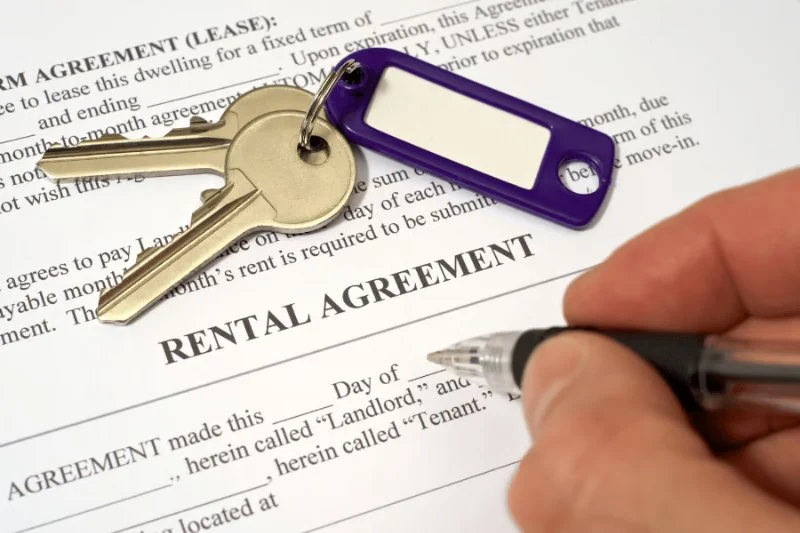
Having a clear and legally binding rental agreement is critical when managing short-term rentals. Your rental agreement should outline terms such as rent, deposit, cancellation policies, and responsibilities for both you and your guest. A good rental agreement helps to avoid disputes and provides you with legal protection if problems arise.
4.1. Terms to Include in Your Rental Agreement
Your agreement should include key details like the rental price, payment schedule, check-in/check-out times, and house rules (e.g., smoking policy, pet policy). You should also address what happens if the guest violates the terms of the agreement or causes damage to your property.
4.2. Cancellation and Refund Policies
Make sure to clearly state your cancellation and refund policy in the rental agreement. Short-term rental platforms often provide standard cancellation options, but having your own policy allows you to address specific concerns, such as full refunds, partial refunds, or penalties for last-minute cancellations.
5. Managing Tax Obligations for Short-Term Rentals
As a landlord, you’ll need to be aware of your tax obligations related to short-term rentals. In many cases, the income you earn from short-term rentals is taxable, and failing to report it can result in penalties. Here’s a breakdown of the tax issues to consider:
5.1. Income Tax
Short-term rental income is subject to income tax, just like any other rental income. Keep track of your earnings and expenses, as you can deduct certain costs, such as repairs, cleaning fees, and management fees, from your taxable income. Be sure to report all income you receive, even if it’s earned through an online platform.
5.2. Occupancy Taxes
Many cities impose an occupancy tax on short-term rentals. This tax is typically a percentage of the rental fee, and the responsibility for collecting and remitting the tax may fall on you or the platform you use. Make sure you know the rules in your area and factor the tax into your pricing.
6. Common Legal Disputes and How to Avoid Them
Legal disputes with tenants are unfortunately common in the world of short-term rentals. Whether it’s damage to property, noise complaints, or violations of your rental agreement, disputes can arise. Here are some common issues and how to avoid them:
6.1. Property Damage
One of the most common issues landlords face is property damage caused by guests. Protect yourself by requiring a security deposit and conducting thorough background checks on guests. You can also take photos of your property before and after each stay to document any changes.
6.2. Noise Complaints
Noisy guests can be a major headache, especially if you’re renting in a residential area. To avoid this issue, include clear house rules in your rental agreement, such as quiet hours and restrictions on parties. Consider installing noise-monitoring devices to ensure guests are respecting your property and neighbors.
By following these legal tips and staying up to date with local laws, you can successfully manage short-term rentals while minimizing legal risks. For more guidance on managing your rental business, visit CGS Law Hub for expert advice and resources.






 Oliverson Law DUI & Criminal Defense5.0 (33 reviews)
 Bostonian Legal Group, LLC0.0 (0 reviews)
 Arash Law5.0 (5 reviews)
 Santoro & Santoro4.0 (15 reviews)
 Farr Stephen W3.0 (17 reviews)
 Simatic Biersdorf5.0 (4 reviews)
 A Step-by-Step Guide to Writing a Will: What You Need to Know in 2024
 What to Know Legally About U.S. Laws Governing Marketplace Lending (Fintech)
 How to Legally Handle a Custody Dispute When One Parent Moves Out of State
 Your Rights During a Police Stop – Expert Legal Advice
 How to Legally Change Your Name in 2025: A Complete Guide
 How to Avoid Common Legal Mistakes When Buying a Home: What You Need to Know in 2024