
- Introduction to U.S. Immigration and Visa Options
- Understanding Different Visa Options
- Navigating the U.S. Visa Application Process
- Common Mistakes to Avoid During the Visa Process
- Legal Rights for Immigrants in the U.S.
- Conclusion
Introduction to U.S. Immigration and Visa Options
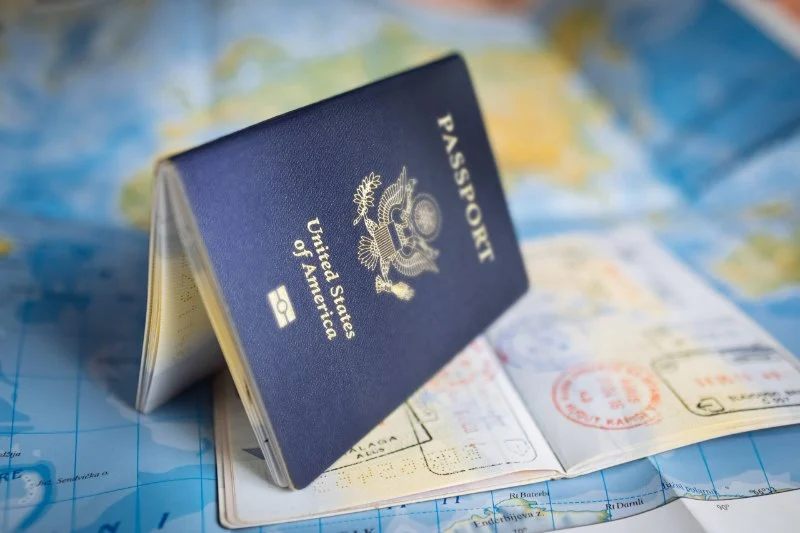
Becoming a new immigrant in the United States can be an exciting yet challenging experience. The U.S. immigration system is complex, with various visa options and legal processes that can be overwhelming for first-timers. Whether you're looking to move to the U.S. for work, study, or reunite with family, understanding the legal landscape and the types of visas available is crucial. This guide provides legal tips and insights into navigating U.S. immigration law, from understanding your visa options to knowing your legal rights.

Hanlon Law Group P.C. / hanlon law group pc
Los AngelesLos Angeles CountyCalifornia
555 W 5th St 35th floor, Los Angeles, CA 90013, USA
Understanding Different Visa Options
The U.S. offers several types of visas depending on your purpose of entry. Below are some of the most common visa categories for immigrants:

Borna Houman Law / borna houman law
Santa MonicaLos Angeles CountyCalifornia
2530 Wilshire Blvd Third Floor, Santa Monica, CA 90403, USA
1. Work Visas
If you're planning to work in the U.S., you'll need a work visa. The most common types are the H-1B (for skilled workers) and the L-1 (for intra-company transferees). Work visas typically require a job offer from a U.S. employer, and there may be limitations on your stay based on the type of work visa you're granted.
2. Student Visas
Student visas (F-1) are designed for individuals who wish to study at an accredited U.S. institution. It's important to maintain full-time student status to comply with visa requirements. Other student visas include the J-1 for exchange visitors and the M-1 for vocational students.
3. Family-Based Visas
Family-based visas allow U.S. citizens and permanent residents to sponsor family members for immigration. This category includes spouses, children, and siblings. The process may vary in terms of wait times and requirements depending on the relationship.
4. Refugee and Asylum Status
If you are fleeing persecution in your home country, you may be eligible for refugee or asylum status. These visas provide protection in the U.S. and allow you to live and work while you apply for permanent residency.
Navigating the U.S. Visa Application Process
Once you have chosen the appropriate visa category, the next step is to apply. The application process can vary depending on the type of visa you're seeking. Below is a general overview:
1. Gathering Documentation
Before applying, make sure to gather all necessary documents, such as proof of employment, educational background, or family relationships. These documents will be required to support your visa application.
2. Filling Out Forms
Each visa category has its own application forms. For example, the Form I-130 is used for family-sponsored visas, while the Form DS-160 is used for non-immigrant visa applicants. Be sure to fill out the forms accurately to avoid delays in processing.
3. Visa Interview
Once your application is processed, you will likely be required to attend a visa interview at the U.S. embassy or consulate. The interview is an important part of the process, as it provides an opportunity for the consular officer to assess your application and ask questions about your background.
4. Approval and Visa Issuance
If your visa application is approved, you will receive your visa and can begin making travel arrangements. In some cases, additional processing or documentation may be required before final approval is granted.
Common Mistakes to Avoid During the Visa Process
Applying for a U.S. visa can be a long and complex process. Here are some common mistakes immigrants make during the visa application process and how to avoid them:
1. Incomplete or Inaccurate Documentation
One of the most common mistakes is failing to provide complete or accurate documentation. Ensure all required documents are submitted and that they are filled out correctly to avoid delays or rejections.
2. Missing the Application Deadline
Each visa type has specific deadlines for submission. Make sure you apply well in advance to avoid missing your chance to apply for a visa.
3. Not Following Instructions
Visa applications come with a set of instructions that must be followed carefully. Failing to follow these instructions can result in delays or rejection of your application. Always read the instructions thoroughly before submitting your application.
Legal Rights for Immigrants in the U.S.
As a new immigrant, it’s important to understand your legal rights under U.S. law. While immigration status may affect certain rights, many fundamental protections are available to all immigrants. Here are a few key legal rights to keep in mind:
1. Right to Due Process
Under the U.S. Constitution, all individuals, regardless of immigration status, are entitled to due process. This means that if you are detained or facing deportation, you have the right to a fair hearing and legal representation.
2. Right to Work and Earn a Living
If you are in the U.S. with the proper work authorization, you have the right to work and earn a living. Make sure you are familiar with the terms of your visa to avoid violating any work-related restrictions.
3. Right to Legal Representation
If you're facing immigration-related legal issues, you have the right to seek legal representation. Hiring an immigration attorney can help you navigate the complexities of U.S. immigration law and ensure that you are following the correct procedures.
Conclusion
Understanding your visa options and knowing your legal rights are essential steps for new immigrants. Whether you're applying for a work visa, family sponsorship, or refugee status, it's important to navigate the immigration process carefully and avoid common pitfalls. For more detailed guidance and assistance, visit CGS Law Hub for expert legal advice tailored to your needs.






 Andrew Russ Law4.0 (7 reviews)
 Lindsay Lien0.0 (0 reviews)
 Rory T. Weiler0.0 (0 reviews)
 Rosenbaum & Associates0.0 (0 reviews)
 Spino & Newcomb, LLC2.0 (7 reviews)
 Falcon Law Firm LLC5.0 (4 reviews)
 How to Expunge a Criminal Record – Expert Legal Advice for 2025
 How to Choose the Right Lawyer for Your Case – Expert Legal Advice
 How to Avoid Common Legal Mistakes When Buying a Home in 2025 | Legal Tips for Homebuyers
 Understanding Child Custody Laws in Simple Terms – Expert Legal Advice
 How to Choose the Right Lawyer for Your Case: What You Need to Know in 2024
 Legal Tips for Someone Facing Deportation: Know Your Rights