
- 1-Importance of Health Data Privacy
- 2-Legal Frameworks in the US
- 3-Consent and User Agreements for Wearables
- 4-Corporate and Third-Party Usage of Wearable Data
- 5-Potential Legal Risks and Case Examples
- 6-Best Practices for Users to Protect Their Data
- 7-Resources and Support from CGS Law Hub
1. Importance of Health Data Privacy
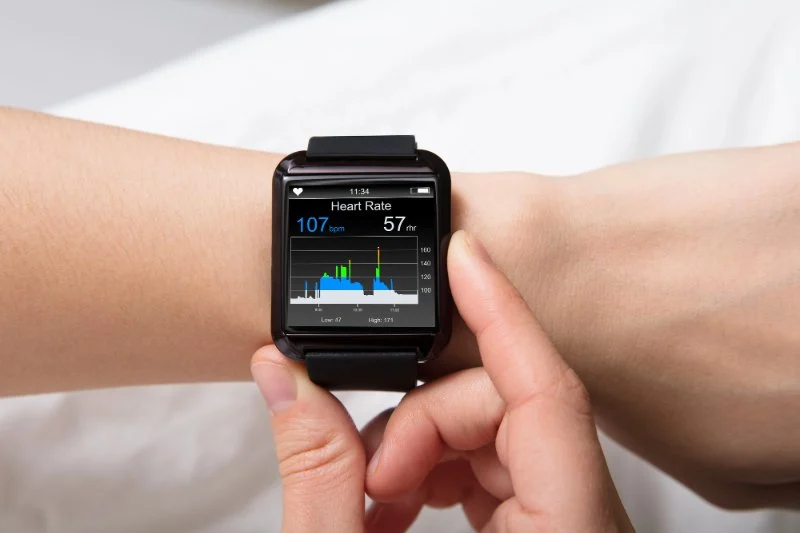
Wearable devices, from smartwatches to fitness trackers, collect a wealth of personal health data including heart rate, sleep patterns, activity levels, and sometimes location. While these devices can provide valuable insights for personal health management, the data they collect is highly sensitive. Protecting this data is critical because misuse or unauthorized sharing can lead to identity theft, insurance discrimination, or other privacy violations.

Law Office of Andy Miri / andy miri attorney
Los AngelesLos Angeles CountyCalifornia
900 Avila St, Los Angeles, CA 90012, USA
1.1 Why Health Data Is Unique
Unlike generic personal information, health data carries long-term implications for privacy and financial security. A heart condition or chronic illness logged by a wearable could influence insurance premiums or employment decisions if disclosed improperly. This makes understanding the legal protections surrounding wearable health data essential for both users and organizations handling this data.

Levin & Nalbandyan LLP / jacob nalbandyan
Los AngelesLos Angeles CountyCalifornia
811 W 7th St 12th floor, Los Angeles, CA 90017, USA
1.2 Real-Life Example
In 2022, a major fitness app faced scrutiny when user location and heart rate data were shared with third-party advertisers without explicit consent. Users expressed concern over privacy violations, prompting legal action and highlighting the importance of transparent data policies.
2. Legal Frameworks in the US
The legal environment governing wearable health data in the United States involves multiple overlapping frameworks, primarily focusing on privacy, consent, and data security.
2.1 HIPAA and Its Scope
The Health Insurance Portability and Accountability Act (HIPAA) protects medical information held by healthcare providers and certain insurers. However, many consumer wearables fall outside HIPAA unless the device is linked directly to a healthcare provider. Users should understand which protections apply depending on the source and handling of the data.
2.2 Federal Trade Commission (FTC) Oversight
The FTC monitors consumer protection and can act against companies that engage in deceptive practices related to health data. If a wearable manufacturer misrepresents how it stores or shares personal data, the FTC can enforce penalties.
2.3 State-Level Laws
Several states have enacted stronger privacy laws. For instance, California’s Consumer Privacy Act (CCPA) gives residents rights to know, delete, and opt-out of data sharing. Massachusetts and New York also have data security regulations impacting wearable companies.
3. Consent and User Agreements for Wearables
Consent is a cornerstone of legal compliance for wearable health data. Users must provide informed consent before their data can be collected, shared, or analyzed.
3.1 Understanding Terms of Service
Most wearable devices require users to agree to detailed terms of service and privacy policies. These documents outline what data is collected, how it may be shared, and any third-party partnerships. Reading these agreements carefully is crucial for understanding your rights.
3.2 Explicit vs. Implicit Consent
Explicit consent occurs when users actively agree to specific uses of data, while implicit consent may be inferred from device usage. Legal experts recommend prioritizing wearables that require explicit consent, especially for sensitive health metrics.
3.3 Example Scenario
A user enabled a wearable device to track sleep patterns but did not realize the app shared anonymized data with research firms. Once aware, they requested data deletion under CCPA, demonstrating how understanding consent provisions empowers users to control their information.
4. Corporate and Third-Party Usage of Wearable Data
Beyond personal use, companies may use wearable health data for wellness programs, insurance incentives, or research. While these applications can benefit employees, they also introduce legal and ethical considerations.
4.1 Employee Wellness Programs
Employers offering wearables to track fitness must comply with privacy regulations. The Americans with Disabilities Act (ADA) restricts discriminatory use of health information, and any participation should be voluntary.
4.2 Research and Data Sharing
Aggregated, anonymized data can be valuable for medical research. Legal safeguards ensure that personal identifiers are removed, but users should verify policies and opt-out options to maintain control over their information.
4.3 Corporate Missteps
In 2021, a tech company faced backlash for using fitness data to adjust employee health insurance contributions. Legal experts intervened, leading to policy revisions emphasizing voluntary participation and anonymized data usage.
5. Potential Legal Risks and Case Examples
Tracking health data via wearables introduces several potential legal risks if not managed carefully.
5.1 Privacy Breaches
Unauthorized access or hacking can expose sensitive information. Companies have a legal obligation to maintain robust cybersecurity measures, while users should employ strong passwords and secure networks.
5.2 Misrepresentation of Data Usage
False claims regarding data privacy can result in FTC enforcement actions. Transparency and compliance with stated policies are critical for both companies and users.
5.3 Case Study
A wearable manufacturer in California faced a class-action lawsuit after sharing location and heart rate data without explicit consent. The settlement required improved disclosure and user control mechanisms, illustrating the importance of legal compliance.
6. Best Practices for Users to Protect Their Data
Users can take proactive steps to maintain privacy and comply with legal expectations.
6.1 Review Privacy Policies
Carefully read the terms of service and privacy agreements. Focus on sections detailing data sharing, retention, and opt-out options.
6.2 Control Sharing Settings
Limit which apps and third parties have access to wearable data. Disable automatic sharing unless necessary.
6.3 Regularly Update Devices
Firmware and app updates often include security patches that prevent unauthorized access.
6.4 Document Consent
Keep records of consents and agreements, especially when data is used in corporate or research settings. This documentation can protect users in case of disputes.
7. Resources and Support from CGS Law Hub
Understanding the legal landscape for wearable health data can be complex. CGS Law Hub offers guidance and resources:
7.1 Expert Legal Consultation
Specialized attorneys can provide advice on privacy rights, consent compliance, and state-specific regulations affecting wearable data.
7.2 Educational Guides
Step-by-step guides explain how to navigate agreements, secure devices, and understand US laws related to health data tracking.
7.3 Case Studies and Updates
CGS Law Hub shares real-world examples of privacy challenges, legal developments, and best practices, helping users and organizations make informed decisions.
By understanding privacy laws, consent requirements, and potential risks, users of wearable devices can confidently track and utilize their health data while protecting their personal information. Leveraging trusted resources like CGS Law Hub ensures compliance, security, and peace of mind in the evolving digital health landscape.






 Castro M Victor4.0 (23 reviews)
 Affordable Legal Services3.0 (39 reviews)
 A. Traub & Associates4.0 (114 reviews)
 Becker, Hickey & Poster, S.C.4.0 (11 reviews)
 The Law Office of Carolina Curbelo0.0 (0 reviews)
 Maged & Rost, PC4.0 (36 reviews)
 What to Know Legally About States Changing Marijuana Legalization Laws | CGS Law Hub
 Legal Guide to Partnerships vs Corporations — Choosing the Right Business Structure
 Estate Planning 101: Why You Need a Will and What It Should Cover
 How to Choose the Right Lawyer for Your Case with Confidence
 What to Know Legally About Citizen Privacy Rights vs Government Surveillance
 What to Know Legally About Autonomous Home Systems: Smart Homes & Liability