
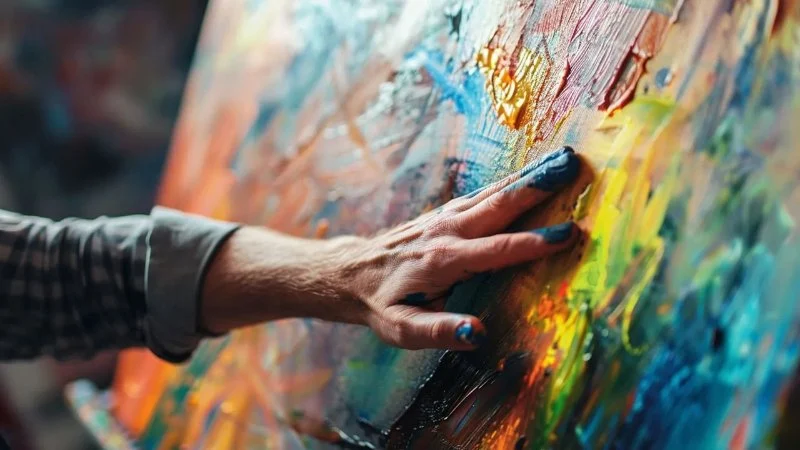
- Why Art Collecting Businesses Need Fraud Protection
- Common Fraudulent Practices in the Art World
- Legal Strategies to Protect Your Art Business
- The Importance of Due Diligence in Art Transactions
- Using Contracts to Safeguard Your Art Business
- Working with Experts to Prevent Art Fraud
Why Art Collecting Businesses Need Fraud Protection
The art market is a multi-billion-dollar industry, but it’s also one that is vulnerable to fraud. Whether you're buying, selling, or investing in artwork, the risk of encountering fraudulent practices is high. Protecting your art business from fraud is not just about safeguarding your investments—it's about maintaining your reputation and ensuring that your transactions are legitimate and secure.
In the world of art collecting, the value of pieces can be subjective, and the documentation or provenance of artworks can sometimes be questionable. This makes it especially important to take proactive steps to prevent fraud, especially as you expand your art collection or business dealings.

Law Office of Andy Miri / andy miri attorney
Los AngelesLos Angeles CountyCalifornia
900 Avila St, Los Angeles, CA 90012, USA
Common Fraudulent Practices in the Art World
Before delving into how you can legally protect your art collecting business, it's essential to understand the types of fraud that are prevalent in the industry. Here are some of the most common fraudulent practices you should be aware of:

Sirmabekian Law Firm / sirmabekian law firm
BurbankLos Angeles CountyCalifornia
2600 W Olive Ave #549, Burbank, CA 91505, USA
1. Forged Artwork
One of the most common forms of art fraud involves the sale of forged artwork. These are works that are falsely attributed to famous artists, often using clever techniques to make them appear authentic. Buyers may be unaware that they are purchasing a counterfeit piece, which can lead to substantial financial losses.
2. Misrepresentation of Provenance
Provenance refers to the documented history of an artwork, including previous owners, exhibitions, and sales. Fraudulent sellers may misrepresent the provenance of an artwork to inflate its value. Inaccurate or fabricated provenance can lead to disputes over ownership and authenticity.
3. Stolen Art Sales
Stolen art is another major concern in the art market. Criminal organizations may attempt to sell stolen pieces, sometimes using forged documentation to conceal the theft. Without proper due diligence, buyers may unknowingly purchase stolen art, which could result in legal complications.
Legal Strategies to Protect Your Art Business
As an art collector or business owner, there are several legal strategies you can implement to protect your art investments and prevent fraud:
1. Title and Ownership Verification
Always ensure that the title and ownership of the artwork are clearly documented before completing any transaction. Verify the seller’s right to sell the piece and ensure that the artwork is not stolen or encumbered by legal issues. A clear chain of ownership, also known as a “provenance,” is essential in confirming the legitimacy of the work.
2. Art Authentication
Invest in authentication services to verify the authenticity of artworks. Certified art appraisers and forensic experts can examine the piece and provide a certificate of authenticity. Many galleries and auction houses work with recognized authentication bodies to ensure that the artwork is legitimate.
3. Legal Agreements and Contracts
Always use written contracts when purchasing, selling, or consigning art. A contract should include details about the artwork’s provenance, condition, price, and the terms of the transaction. A well-drafted contract can protect your interests in case of disputes and ensure that all parties are held accountable.
The Importance of Due Diligence in Art Transactions
Due diligence is a crucial part of preventing fraud in the art world. It involves thoroughly investigating the artwork’s provenance, condition, and history before finalizing a transaction. Proper due diligence can help you identify potential red flags that could indicate fraud or misrepresentation.
1. Researching the Artist and Artwork
Before purchasing an artwork, conduct thorough research into the artist’s background and the artwork’s history. This includes reviewing past sales, exhibitions, and previous ownership records. If the artwork is of high value, hiring an art historian or authentication expert can add an additional layer of security to your purchase.
2. Verifying Provenance and Documentation
Provenance is critical in confirming the authenticity and legitimacy of an artwork. Ensure that the seller provides verifiable documentation that traces the piece’s ownership. Avoid purchasing works that lack sufficient provenance, as these could be more susceptible to fraud or misrepresentation.
Using Contracts to Safeguard Your Art Business
Contracts are essential in protecting both buyers and sellers in the art market. A well-constructed contract ensures that both parties are clear on the terms of the transaction and can help prevent fraudulent activity. Here’s how to use contracts effectively:
1. Include Specific Clauses
Make sure that the contract includes specific clauses that protect both the buyer and seller. This includes a clause outlining the return policy in case the artwork is found to be fake or misrepresented. Additionally, the contract should specify the consequences if the artwork is found to be stolen or if there are any disputes regarding ownership.
2. Work with Legal Professionals
It’s always a good idea to have a legal professional who specializes in art law review your contracts. They can ensure that all legal protections are in place and that the contract is enforceable. A lawyer can also help you navigate any legal challenges that arise during or after the transaction.
Working with Experts to Prevent Art Fraud
In the art world, experts play a crucial role in preventing fraud and ensuring the legitimacy of artworks. Working with professionals such as art appraisers, authentication specialists, and legal advisors can provide an added layer of security for your art business.
1. Collaborate with Art Experts
Collaborating with reputable art experts can help protect your collection from fraudulent activity. Art appraisers and specialists can authenticate works, verify provenance, and offer advice on market value. Having an expert on your side ensures that you are making informed decisions and protects your business from fraud.
2. Legal Advice for Art Transactions
Art transactions often involve complex legal issues, such as intellectual property rights, contractual obligations, and ownership disputes. Seeking legal advice from a lawyer who specializes in art law can help you navigate these complexities and avoid potential legal pitfalls. If you need help with protecting your art business from fraud, consulting with an attorney is essential.
Fraud prevention is a top priority for art collectors and businesses, and by following these legal strategies and working with professionals, you can protect your valuable investments. For more information on legal protections and expert advice for art collectors, visit CGS Law Hub to ensure that your art transactions are secure.





 Law Offices of Randy R McCalla PA2.0 (3 reviews)
 Law Office of Samira Sulemana4.0 (91 reviews)
 Law Offices of Fred B. Goldberg, PC3.0 (10 reviews)
 Kohan & Bablove Injury Attorneys - Newport Beach4.0 (150 reviews)
 Philip J. Fulton Law Office4.0 (121 reviews)
 Modern Family Law4.0 (102 reviews)
 Understanding Your Tenant Rights in Rental Disputes: What You Need to Know in 2025
 Elder Abuse: How to Recognize It and What Legal Steps to Take
 Legal Tips for Someone Starting a Non-Profit That Operates in Multiple States
 Identity Theft and Fraud: Your Legal Options After a Data Breach
 How to Legally Navigate School Discipline Hearings for Your Child
 Legal Considerations When Becoming a Foster Parent in the U.S.