

- 1 - Understanding Identity Theft and Fraud After a Data Breach
- 2 - Steps to Take Immediately After a Data Breach
- 3 - Your Legal Options After a Data Breach
- 4 - How to Protect Yourself from Future Data Breaches
- 5 - Real-Life Case Study of Identity Theft
- 6 - Where to Seek Legal Help for Identity Theft
1. Understanding Identity Theft and Fraud After a Data Breach
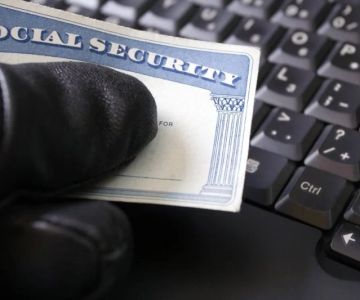
Data breaches are unfortunately becoming more common, and with them, the risk of identity theft and fraud. When a company or institution experiences a data breach, sensitive information such as your name, Social Security number, credit card details, and medical history may be exposed to unauthorized individuals. This opens the door for fraudsters to use your personal information for malicious purposes.
Identity theft can take many forms, including financial fraud, opening accounts in your name, or even using your identity for criminal activities. In the aftermath of a data breach, it’s crucial to understand the risks and know what actions you can take to protect yourself.

Braden & Tucci / braden and tucci
Los AngelesLos Angeles CountyCalifornia
811 Wilshire Blvd 17th Floor, Los Angeles, CA 90017, USA
2. Steps to Take Immediately After a Data Breach
After learning that your personal information has been compromised in a data breach, there are several critical steps you should take to minimize the risk of identity theft and fraud:

Levin & Nalbandyan LLP / jacob nalbandyan
Los AngelesLos Angeles CountyCalifornia
811 W 7th St 12th floor, Los Angeles, CA 90017, USA
2.1 Notify Your Creditors and Banks
As soon as you know your information is at risk, contact your bank and credit card companies. Request a fraud alert or freeze your accounts to prevent unauthorized transactions. If necessary, close accounts that may have been compromised and open new ones with stronger security measures.
2.2 Place a Fraud Alert on Your Credit Reports
Placing a fraud alert on your credit report warns creditors to take extra steps to verify your identity before opening new accounts in your name. You can place a fraud alert by contacting one of the major credit reporting agencies, such as Experian, Equifax, or TransUnion. They are required to notify the other agencies, and the alert will remain on your file for one year.
2.3 Review Your Credit Reports Regularly
Request free copies of your credit reports from the three major credit bureaus and review them carefully. Look for any suspicious activity, such as unfamiliar accounts or inquiries. If you spot anything unusual, report it immediately to the credit bureau.
2.4 Change Your Passwords and PINs
If you use the same passwords across multiple sites, change them immediately. Create strong, unique passwords for your financial accounts and any other accounts containing sensitive information. Using multi-factor authentication can also help add an extra layer of protection.
3. Your Legal Options After a Data Breach
If your personal information has been compromised in a data breach, there are legal actions you can take. These steps may include seeking compensation for financial losses, pursuing legal claims against the company responsible for the breach, or filing a police report. Understanding your legal options is essential for recovering from the breach and protecting your rights.
3.1 File a Lawsuit Against the Responsible Company
In some cases, you may be able to file a lawsuit against the company that caused the data breach. Many companies are legally required to protect your personal information. If they fail to take reasonable precautions, you may be entitled to compensation. Class action lawsuits are common after large-scale data breaches, allowing affected individuals to band together to seek compensation for damages.
3.2 Report Identity Theft to the Authorities
If your identity has been stolen, report it to the Federal Trade Commission (FTC) through IdentityTheft.gov. You should also file a police report with your local law enforcement. Having an official record of the theft is crucial for disputing fraudulent accounts and clearing your name.
3.3 Seek Compensation for Damages
If you’ve suffered financial losses as a result of identity theft or fraud, you may be entitled to compensation. This could include reimbursement for money lost due to fraud, as well as compensation for the emotional distress and time spent trying to resolve the issue. Your attorney can help you navigate this process and determine the appropriate legal remedies.
4. How to Protect Yourself from Future Data Breaches
While you can’t entirely eliminate the risk of a data breach, there are steps you can take to protect yourself from future incidents. Here are some key ways to stay vigilant:
4.1 Use Strong, Unique Passwords
Use strong and unique passwords for all of your accounts. Avoid using easily guessable information, such as birthdays or names. Consider using a password manager to keep track of your passwords securely.
4.2 Monitor Your Financial Accounts
Regularly check your bank statements, credit card statements, and credit reports. The sooner you notice any suspicious activity, the sooner you can take action to minimize the impact of identity theft.
4.3 Stay Informed About Data Breaches
Sign up for notifications about data breaches from companies like HaveIBeenPwned.com. This way, you’ll be alerted if your information is exposed in a future breach and can take immediate action to protect yourself.
5. Real-Life Case Study of Identity Theft
Consider the case of Sarah, whose personal information was exposed in a major data breach at a popular retail company. Within weeks, Sarah discovered multiple fraudulent charges on her credit card. By quickly placing fraud alerts, changing her passwords, and contacting the authorities, she was able to recover her losses and clear her name. This example highlights the importance of immediate action and understanding your legal rights after a data breach.
6. Where to Seek Legal Help for Identity Theft
If you find yourself a victim of identity theft or fraud after a data breach, it’s important to seek legal assistance. CGS Law Hub offers resources and legal expertise to help you navigate the complexities of identity theft cases and protect your rights. From filing lawsuits to recovering damages, having a qualified attorney can make all the difference in your ability to recover and safeguard your future.





 Drazin and Warshaw, P.C.4.0 (18 reviews)
 Gregory E. Erchull, Attorney at Law0.0 (0 reviews)
 Schneider Buchel LLP0.0 (0 reviews)
 Nossier Accounting & Tax Resolution5.0 (20 reviews)
 Joel W Black Law Office4.0 (201 reviews)
 Mason Law Firm Co LPA5.0 (1 reviews)
 What to Do If You Are Injured in a Car Accident
 How to Avoid Common Legal Mistakes When Buying a Home: What You Need to Know in 2025
 How to Write a Will: Step-by-Step Guide to Creating Your Will
 Understanding Bankruptcy Options – Expert Legal Advice on Your Financial Future
 Understanding Bankruptcy Options – Expert Legal Advice
 How to Choose the Right Lawyer for Your Case – Expert Legal Advice