
- Understanding Identity Theft
- Steps to Take Immediately
- Contacting Authorities and Legal Steps
- How to Protect Yourself in the Future
- Real-Life Case Studies
1. Understanding Identity Theft
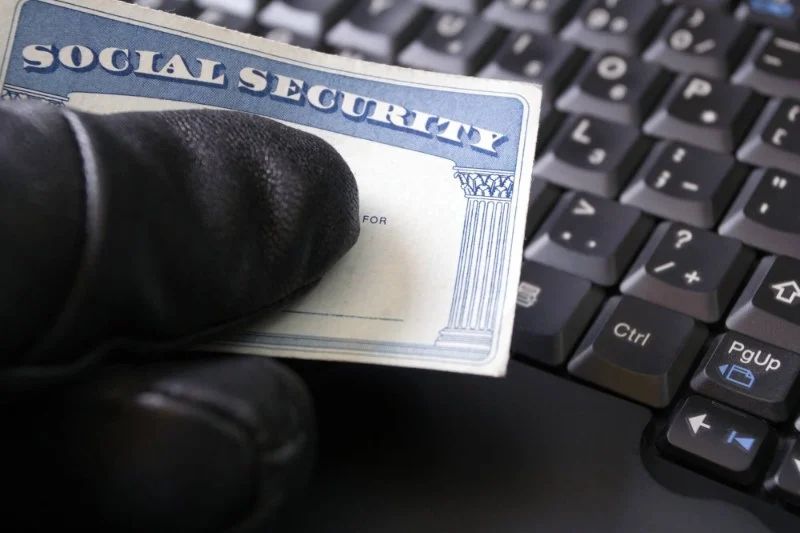
Identity theft occurs when someone illegally uses another person’s personal information, like their Social Security number or credit card details, without permission. This crime is becoming more prevalent, with millions of people across the United States falling victim every year. If your identity is stolen, it can have severe financial, emotional, and legal consequences.
In order to protect yourself and respond effectively, it's crucial to understand the nature of identity theft, the different ways it can occur, and the legal options available for victims. Fraudsters may use stolen identities for anything from opening credit accounts to committing serious crimes. Knowing what constitutes identity fraud helps in determining the right course of action when responding.

Law Offices of David Mamann / law offices of david mamann
Beverly HillsLos Angeles CountyCalifornia
291 S La Cienega Blvd # 214, Beverly Hills, CA 90211, USA
2. Steps to Take Immediately
If you suspect or discover that your identity has been fraudulently used, it’s essential to act quickly. Delays could complicate legal proceedings or result in more financial damage. Here are the key steps to take immediately:
- Notify Your Financial Institutions: Contact your bank, credit card companies, and other financial institutions as soon as you notice any suspicious activity. They can freeze your accounts and prevent further unauthorized transactions.
- Place a Fraud Alert on Your Credit Report: Contact one of the three major credit bureaus (Equifax, TransUnion, or Experian) to place a fraud alert on your credit report. This will alert potential lenders to take extra steps to verify your identity before issuing credit in your name.
- File a Report with the Federal Trade Commission (FTC): The FTC provides a free service for reporting identity theft, and they will guide you through the recovery process. You can file a report online at IdentityTheft.gov.
- Report to Local Authorities: File a police report with your local law enforcement. This can help in case the thief uses your identity for criminal activities, and having a police report on record strengthens your legal response.
3. Contacting Authorities and Legal Steps
After taking the initial steps to secure your accounts and report the theft, you need to follow up with the appropriate legal authorities. The most critical institutions and agencies to contact include:
- Law Enforcement: If the identity thief has committed crimes under your name, a police report will be necessary. Make sure to ask for a copy of the report for your records.
- Credit Bureaus: Inform the major credit bureaus to have fraudulent accounts flagged, and request that your credit file be marked to show that you are a victim of fraud.
- Identity Theft Insurance: If you have identity theft protection or insurance, contact your provider. Many plans offer legal services, help with fraud recovery, and can assist with any legal disputes related to identity theft.
- Consult a Lawyer: In complex cases, you may want to consult with a lawyer who specializes in identity theft or fraud cases. They can help you understand your legal rights and assist you in recovering damages.
4. How to Protect Yourself in the Future
Once you've navigated the immediate steps following identity theft, it’s important to take proactive steps to protect yourself from future fraud. The following measures can help keep your identity safe:
- Use Strong Passwords: Make sure your online accounts are secured with strong, unique passwords. Avoid using the same password across multiple sites.
- Monitor Your Credit Regularly: Check your credit reports at least once a year to ensure there are no unauthorized accounts or activities.
- Freeze Your Credit: Consider placing a credit freeze with all three credit bureaus. This prevents anyone from opening new accounts in your name.
- Shred Personal Documents: Always shred documents containing personal information, such as bank statements and tax returns, before discarding them.
5. Real-Life Case Studies
Let's take a look at some real-life instances where individuals navigated identity theft and fraud:

Law Offices of Raymond Perez / raymond perez attorney
Los AngelesLos Angeles CountyCalifornia
5161 Pomona Blvd Suite 208, Los Angeles, CA 90022, USA
Case 1: Sarah's Credit Card Fraud Experience
Sarah, a resident of Los Angeles, discovered fraudulent charges on her credit card after noticing an unfamiliar purchase on her statement. Upon contacting her bank, they confirmed that her card had been used to make purchases totaling $2,500. Sarah immediately reported the fraud to the credit card company and filed a police report. Fortunately, the bank refunded the money after confirming that she had not made the transactions. However, Sarah also learned the importance of regularly monitoring her accounts and set up alerts for future purchases.
Case 2: James' Social Security Number Theft
James, a business owner in New York, found out that his Social Security number was being used to open multiple credit lines. After contacting the credit bureaus and placing a fraud alert, James worked with a legal advisor to ensure that the fraudulent accounts were removed from his credit history. James also took steps to freeze his credit and ensure that his personal information remained secure moving forward.






 Drazin and Warshaw, P.C.4.0 (18 reviews)
 Gregory E. Erchull, Attorney at Law0.0 (0 reviews)
 Schneider Buchel LLP0.0 (0 reviews)
 Nossier Accounting & Tax Resolution5.0 (20 reviews)
 Joel W Black Law Office4.0 (201 reviews)
 Mason Law Firm Co LPA5.0 (1 reviews)
 What to Do If You Are Injured in a Car Accident
 How to Avoid Common Legal Mistakes When Buying a Home: What You Need to Know in 2025
 How to Write a Will: Step-by-Step Guide to Creating Your Will
 Understanding Bankruptcy Options – Expert Legal Advice on Your Financial Future
 Understanding Bankruptcy Options – Expert Legal Advice
 How to Choose the Right Lawyer for Your Case – Expert Legal Advice