
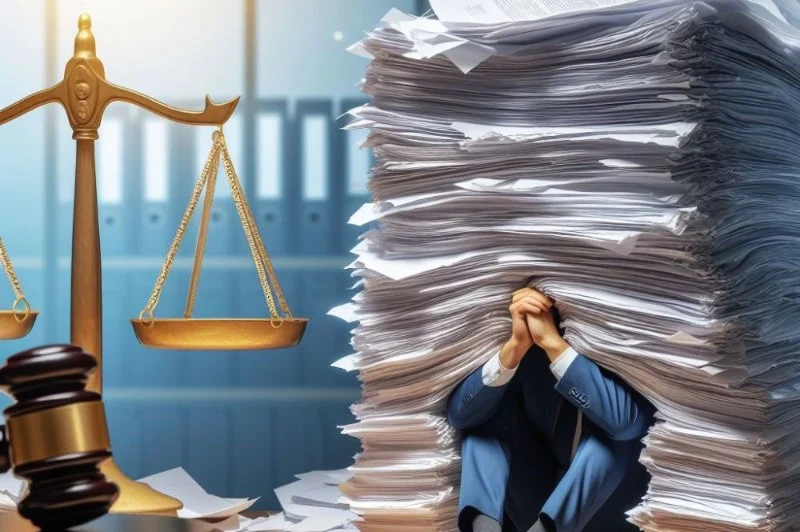
Understanding Bankruptcy Options – Expert Legal Advice
- 1. Types of Bankruptcy
- 2. How to Choose the Right Bankruptcy Option
- 3. The Bankruptcy Filing Process
- 4. Common Mistakes to Avoid in Bankruptcy
- 5. Expert Legal Advice for Your Bankruptcy Case
1. Types of Bankruptcy
Bankruptcy laws are designed to provide individuals and businesses with a fresh start when they are overwhelmed by debt. In the United States, there are different types of bankruptcy options, with the most common being:
- Chapter 7 Bankruptcy: Often referred to as "liquidation bankruptcy," this option involves the sale of non-exempt assets to repay creditors. It is typically used by individuals with significant unsecured debt and little income.
- Chapter 13 Bankruptcy: This type of bankruptcy involves the creation of a repayment plan where the debtor repays all or part of their debts over a period of 3 to 5 years. It is ideal for individuals with regular income who want to retain their property.
- Chapter 11 Bankruptcy: Generally used by businesses, this type allows for the reorganization of debt. It allows the business to continue operations while restructuring its financial obligations.
- Chapter 12 Bankruptcy: Specifically for family farmers and fishermen, this type of bankruptcy provides a way to reorganize debts while continuing their business operations.
2. How to Choose the Right Bankruptcy Option
Choosing the right bankruptcy option depends on several factors, including the type of debt, income, assets, and your long-term financial goals. It’s important to:
- Assess your total debt: Determine how much you owe and the type of debts (secured vs. unsecured).
- Evaluate your income: Your income level will influence whether you qualify for Chapter 7 or need to file for Chapter 13.
- Consider your assets: If you have valuable assets you want to keep, Chapter 13 may be more suitable.
- Consult a bankruptcy lawyer: Seeking expert legal advice is essential to determine which bankruptcy option aligns best with your situation.
3. The Bankruptcy Filing Process
The bankruptcy filing process can be complex and involves several steps:
- Pre-filing counseling: Before filing for bankruptcy, you must attend a credit counseling session approved by the government.
- Filing the petition: The next step is to file a bankruptcy petition with the court. This petition includes details about your debts, income, assets, and financial history.
- Meeting of creditors: After filing, you’ll attend a meeting where creditors can ask you questions regarding your finances and bankruptcy petition.
- Repayment or liquidation: Based on the type of bankruptcy, you will either repay your debts through a plan (Chapter 13) or liquidate your assets (Chapter 7).
- Debt discharge: After successfully completing the required steps, your eligible debts will be discharged, meaning you are no longer legally required to repay them.
4. Common Mistakes to Avoid in Bankruptcy
Filing for bankruptcy is a serious decision, and it’s important to avoid common mistakes that could impact your case:
- Failing to disclose all assets: Hiding assets can result in the dismissal of your bankruptcy case or even legal penalties.
- Not considering alternatives: Bankruptcy is not the only solution. Make sure you explore alternatives like debt consolidation or negotiating with creditors before filing.
- Not understanding the impact on your credit: While bankruptcy can provide relief, it also has long-term effects on your credit score. Understand the consequences before proceeding.
- Missing deadlines: Bankruptcy filings have strict deadlines, and missing them can result in the loss of certain benefits or the dismissal of your case.
5. Expert Legal Advice for Your Bankruptcy Case
Bankruptcy is a complicated legal process that requires expert advice to navigate effectively. An experienced bankruptcy attorney can help:
- Evaluate your financial situation and recommend the best bankruptcy option for you.
- Guide you through the filing process and ensure all documents are completed correctly.
- Represent you in meetings with creditors and court hearings.
- Help you understand the long-term implications of bankruptcy and your rights and responsibilities during the process.






 Fedele & Honschke Attorneys at Law, L.L.C.4.0 (7 reviews)
 The Halks Firm5.0 (34 reviews)
 SL Law Group5.0 (16 reviews)
 Brittany Schmidt0.0 (0 reviews)
 Pasternack Tilker Ziegler Walsh Stanton & Romano L.L.P.4.0 (92 reviews)
 Blank Kim Injury Law5.0 (30 reviews)
 How to Avoid Common Legal Mistakes When Buying a Home – Expert Legal Advice
 How to Avoid Common Legal Mistakes When Buying a Home – Expert Advice
 Essential Guide to Starting a Nonprofit Organization – Legal Advice and Steps
 How to Legally Change Your Name – Expert Legal Advice
 What Happens If You Die Without a Will: What You Need to Know in 2024
 Understanding Child Custody Laws – Expert Legal Advice