- Why Drone Package Delivery Is Growing So Fast
- Understanding the Legal Foundation of Drone Delivery in the U.S.
- FAA Rules Every Drone Delivery Company Must Follow
- Commercial Drone Certification and Pilot Requirements
- Airspace Restrictions and Flight Zone Challenges
- Privacy Laws and Public Concerns About Delivery Drones
- Insurance, Liability, and Risk Management for Drone Operators
- Real-World Drone Delivery Cases That Shaped Regulations
- How Local and State Laws Can Complicate Drone Operations
- Cybersecurity and Data Protection for Drone Networks
- Practical Compliance Strategies for New Drone Businesses
- Where Drone Delivery Laws May Head in the Future
Why Drone Package Delivery Is Growing So Fast
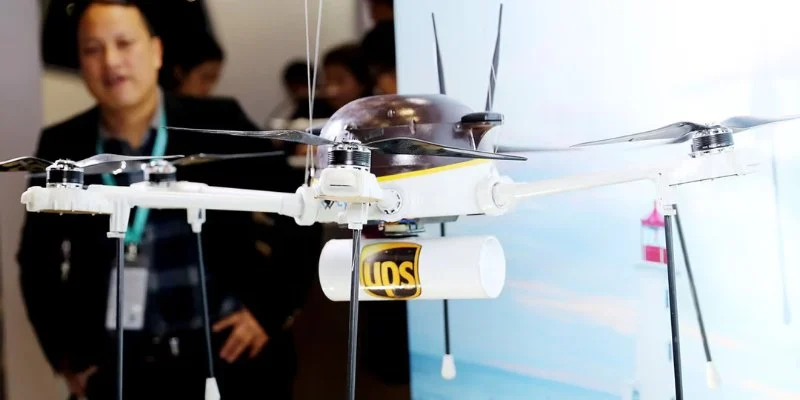
Drone package delivery once sounded like a futuristic concept reserved for science fiction movies. Today, it is becoming a real part of modern logistics across the United States. Major retailers, technology companies, healthcare providers, and logistics startups are investing heavily in unmanned aerial vehicle systems to shorten delivery times and reduce transportation costs.
Consumers increasingly expect faster delivery experiences. Same-day shipping has become common in many urban markets, and businesses continue searching for ways to reduce delays caused by traffic congestion, labor shortages, and fuel costs. Drone delivery appears attractive because it promises speed, automation, and scalability.
Yet despite the excitement surrounding commercial drone operations, the legal environment remains complex. Companies interested in using drones for package delivery quickly discover that operating aircraft in U.S. airspace involves far more than simply purchasing drones and launching deliveries.
Federal aviation laws, privacy concerns, cybersecurity issues, insurance obligations, and local regulations all influence how drone businesses operate legally.

Sirmabekian Law Firm / sirmabekian law firm
BurbankLos Angeles CountyCalifornia
2600 W Olive Ave #549, Burbank, CA 91505, USA
Why Regulators Are Cautious
Unlike traditional delivery vehicles, drones operate in shared airspace.

Levin & Nalbandyan LLP / jacob nalbandyan
Los AngelesLos Angeles CountyCalifornia
811 W 7th St 12th floor, Los Angeles, CA 90017, USA
That Creates Several Serious Concerns
1. Public safety risks.
2. Air traffic interference.
3. Privacy complaints.
4. Cybersecurity vulnerabilities.
5. Property damage liability.
6. Risks involving crowded urban areas.
Regulators understand the economic potential of drone delivery, but they also recognize how quickly accidents or misuse could create public backlash.
The Legal Learning Curve for Startups
Many entrepreneurs entering the drone delivery market underestimate the regulatory complexity.
Technology Alone Is Not Enough
A company may have advanced drone hardware and strong logistics software yet still face operational delays because of compliance failures.
Understanding how to legally navigate U.S. laws on drones for package delivery has therefore become essential for businesses hoping to scale successfully.
Understanding the Legal Foundation of Drone Delivery in the U.S.
The legal structure governing drones in the United States primarily centers around federal aviation law.
The FAA Plays the Central Role
The Federal Aviation Administration regulates U.S. airspace and oversees most commercial drone activity.
Why This Matters
Even small delivery drones are treated as aircraft under federal law.
Part 107 Regulations
Most commercial drone operations initially fall under FAA Part 107 rules.
Part 107 Covers Important Areas Such As:
1. Pilot certification.
2. Visual line-of-sight requirements.
3. Daylight operation limits.
4. Altitude restrictions.
5. Flight safety procedures.
Drone Delivery Often Requires Additional Approval
Package delivery businesses frequently need exemptions or waivers beyond standard Part 107 rules.
Why Additional Authorization Is Common
Delivery operations may involve flights beyond visual line of sight, flights over people, or operations in densely populated areas.
Federal Preemption Creates Complexity
Drone operators often assume local governments fully control drone activity.
Federal Authority Still Dominates Airspace Regulation
However, state and local governments may still regulate certain operational aspects tied to privacy, land use, and law enforcement concerns.
FAA Rules Every Drone Delivery Company Must Follow
Understanding FAA compliance is the foundation of any legal drone delivery operation.
Drone Registration Requirements
Commercial drones generally must be registered with the FAA.
Registration Helps Improve Accountability
Authorities use registration systems to track ownership and improve enforcement.
Remote Identification Rules
Remote ID requirements have become a major focus in modern drone regulation.
What Remote ID Does
It allows drones to broadcast identification and location information during operations.
This system is designed to help regulators and law enforcement monitor drone activity in real time.
Operational Limitations
Drone delivery companies must comply with operational safety restrictions.
Important Rules Often Include:
1. Maximum altitude limits.
2. Speed restrictions.
3. Controlled airspace authorization.
4. Weather safety standards.
5. Aircraft maintenance procedures.
Waivers and Special Approvals
Many commercial delivery operations require customized regulatory approval.
Beyond Visual Line of Sight Operations
BVLOS approval remains one of the most valuable regulatory permissions for delivery companies because large-scale drone logistics often require long-distance autonomous flights.
Why Compliance Documentation Matters
The FAA expects companies to maintain extensive operational records.
Documentation May Include:
1. Maintenance logs.
2. Flight records.
3. Pilot certifications.
4. Incident reports.
5. Safety management procedures.
Many startups entering the commercial drone industry research aviation compliance strategies, operational risk frameworks, and legal planning guidance through CGS Law Hub before launching delivery programs at scale.
Commercial Drone Certification and Pilot Requirements
People sometimes assume delivery drones operate entirely autonomously. In reality, certified personnel remain deeply involved in commercial drone operations.
The Remote Pilot Certificate
Commercial drone operators generally need an FAA Remote Pilot Certificate.
Certification Requires Knowledge Testing
Pilots must understand airspace rules, weather conditions, operational procedures, and aviation safety principles.
Training Does Not End After Certification
Drone technology evolves rapidly.
Ongoing Education Is Important
Companies often develop internal safety programs and continuing compliance training.
Human Oversight Still Matters
Even advanced autonomous systems require monitoring and operational supervision.
Why Human Decision-Making Remains Critical
Unexpected weather conditions, system failures, or airspace conflicts may require immediate intervention.
Operational Teams Extend Beyond Pilots
Large delivery companies often rely on multidisciplinary compliance teams.
Important Personnel May Include:
1. Aviation attorneys.
2. Compliance officers.
3. Risk analysts.
4. Cybersecurity specialists.
5. Fleet maintenance technicians.
Airspace Restrictions and Flight Zone Challenges
One of the most difficult legal challenges for drone delivery companies involves navigating U.S. airspace restrictions.
Controlled Airspace Rules
Many populated areas are located near controlled airspace.
Operations Near Airports Require Extra Authorization
Air traffic coordination becomes especially important in busy metropolitan regions.
Urban Environments Create Additional Risks
Delivering packages in cities sounds efficient in theory, but urban airspace is extremely complicated.
Common Urban Challenges Include:
1. Tall buildings.
2. Crowded pedestrian areas.
3. Signal interference.
4. Emergency helicopter traffic.
5. Privacy-sensitive locations.
Temporary Flight Restrictions
Drone operators must also monitor temporary airspace restrictions.
Restrictions May Appear During:
1. Sporting events.
2. Natural disasters.
3. Emergency operations.
4. Government security activities.
Rural Operations Present Different Challenges
Many companies initially test drone delivery in rural areas because of lower congestion.
But Rural Areas Are Not Risk-Free
Longer distances, inconsistent connectivity, and changing terrain still create operational complications.
Privacy Laws and Public Concerns About Delivery Drones
Privacy concerns represent one of the biggest public relations challenges facing the drone delivery industry.
Why Consumers Worry About Drones
Many people feel uncomfortable with cameras and sensors flying near homes.
Concerns Often Include:
1. Surveillance fears.
2. Data collection concerns.
3. Audio recording worries.
4. Neighborhood disruption.
State Privacy Laws Vary
Some states have adopted laws specifically addressing drone surveillance.
Compliance Becomes More Complicated Across Multiple States
Delivery businesses operating nationally may face inconsistent legal standards.
Transparency Helps Reduce Risk
Companies that clearly explain how drone systems operate often build stronger public trust.
Clear Policies Matter
Consumers increasingly expect transparency regarding data collection and video recording practices.
Public Perception Influences Regulation
Negative public reaction can accelerate political pressure for stricter laws.
Community Engagement Matters More Than Many Companies Realize
Successful drone programs often involve local outreach before expansion.
Insurance, Liability, and Risk Management for Drone Operators
Drone delivery businesses face substantial liability exposure.
Accidents Can Become Expensive Quickly
Even small drones can cause injuries or property damage.
Potential Legal Risks Include:
1. Personal injury claims.
2. Property damage lawsuits.
3. Product delivery failures.
4. Privacy-related litigation.
5. Data breach liability.
Insurance Is Essential
Commercial drone insurance has become increasingly specialized.
Coverage May Include:
1. General liability protection.
2. Aviation-specific policies.
3. Cybersecurity coverage.
4. Equipment damage protection.
5. Business interruption insurance.
Risk Assessments Improve Operational Stability
Many successful drone companies conduct extensive internal risk reviews before expansion.
Strong Risk Management Builds Investor Confidence
Financial backers increasingly evaluate operational safety maturity before funding large-scale drone projects.
Incident Response Planning Matters
Companies should prepare for emergencies before accidents occur.
Preparedness Reduces Long-Term Damage
Fast and transparent responses can significantly reduce reputational harm after incidents.
Real-World Drone Delivery Cases That Shaped Regulations
The current legal environment has been heavily influenced by real-world testing programs and publicized incidents.
Retail Delivery Pilot Programs
Major retailers and technology companies have spent years testing drone delivery services.
Early Programs Revealed Practical Challenges
Weather reliability, battery limitations, and neighborhood concerns all affected scaling efforts.
Healthcare Delivery Success Stories
Medical supply delivery has become one of the most successful drone use cases.
Why Healthcare Works Well
Rural medical deliveries often involve urgent needs and predictable routes.
Incidents That Triggered Regulatory Attention
Unauthorized drone operations near airports and crowded public spaces increased pressure for stricter oversight.
Safety Events Changed Public Debate
Even isolated incidents received massive media attention because drones operate visibly in public environments.
The Industry Learned an Important Lesson
Technical innovation alone does not guarantee public acceptance.
Legal Trust and Social Trust Are Connected
Companies must demonstrate responsibility consistently if they want regulators and consumers to support expansion.
How Local and State Laws Can Complicate Drone Operations
Although federal aviation law dominates airspace regulation, local legal issues still matter greatly.
Property Rights Disputes
Questions surrounding low-altitude airspace continue generating debate.
Homeowners Often Ask Important Questions
How low can drones legally fly near private property? What constitutes trespassing? Courts continue examining these issues.
Noise Complaints
Frequent drone operations may generate neighborhood complaints.
Local Governments Sometimes Respond With Restrictions
Noise concerns could influence future zoning or operational limits.
State Consumer Protection Laws
States may apply additional rules affecting advertising, data handling, and delivery practices.
Multi-State Operations Increase Complexity
National drone delivery companies often require state-by-state compliance analysis.
Law Enforcement Interactions
Drone operators may occasionally encounter local enforcement questions.
Clear Documentation Helps Prevent Problems
Maintaining operational permits and certifications reduces confusion during inspections or investigations.
Many companies developing commercial UAV programs review evolving aviation regulations, liability considerations, and operational compliance resources through CGS Law Hub while preparing for interstate expansion and long-term drone deployment strategies.
Cybersecurity and Data Protection for Drone Networks
Modern drone delivery systems depend heavily on software, wireless communication, and cloud infrastructure.
Cybersecurity Risks Continue Growing
Connected drone systems may become targets for cyberattacks.
Potential Threats Include:
1. Signal hijacking.
2. GPS spoofing.
3. Data theft.
4. Unauthorized remote access.
5. System disruption attacks.
Customer Data Must Be Protected
Delivery systems often store sensitive consumer information.
That May Include:
1. Addresses.
2. Payment information.
3. Purchase history.
4. Geolocation data.
Cybersecurity Is Becoming a Regulatory Priority
Authorities increasingly expect businesses to implement proactive digital safeguards.
Weak Security Can Create Multiple Problems Simultaneously
A single cyber incident may trigger operational disruptions, privacy violations, lawsuits, and regulatory investigations.
Vendor Security Matters Too
Drone systems often depend on third-party software and cloud providers.
Third-Party Weaknesses Can Affect Entire Networks
Companies should evaluate vendor cybersecurity practices carefully.
Practical Compliance Strategies for New Drone Businesses
For startups entering the drone delivery market, legal preparation should begin early.
Build Compliance Into Operations From the Start
Waiting until after expansion to address legal obligations often creates expensive delays.
Early Planning Reduces Future Risk
Companies with strong compliance systems typically scale more smoothly.
Work With Aviation and Regulatory Professionals
Drone law intersects with multiple legal disciplines.
Professional Guidance Can Save Significant Time
Experienced advisors often identify issues founders overlook initially.
Create Internal Safety Protocols
Formal operational procedures improve both compliance and safety.
Written Policies Should Cover:
1. Emergency response.
2. Maintenance schedules.
3. Pilot responsibilities.
4. Data protection standards.
5. Incident reporting.
Stay Updated on Regulatory Changes
Drone regulations continue evolving rapidly.
Continuous Monitoring Is Necessary
What is permissible today may change significantly over the next few years.
Where Drone Delivery Laws May Head in the Future
The legal future of drone delivery in the United States will likely balance innovation with public safety concerns.
Autonomous Flight Rules May Expand
As technology improves, regulators may become more comfortable approving advanced autonomous operations.
BVLOS Expansion Could Transform Logistics
Broader beyond visual line-of-sight permissions would significantly increase commercial scalability.
Urban Air Mobility Will Influence Drone Laws
The rise of advanced aerial transportation systems may reshape airspace management.
Drone Traffic Systems Could Become More Sophisticated
Automated coordination systems may eventually manage large numbers of aircraft simultaneously.
Privacy Regulation May Tighten
Consumer concerns surrounding surveillance are unlikely to disappear.
Transparency Will Become Increasingly Important
Businesses that communicate openly may face fewer public resistance challenges.
Insurance and Compliance Standards Will Mature
As the industry grows, operational standards will likely become more structured.
Professionalization Is Already Happening
Investors, regulators, and consumers increasingly expect drone companies to operate with aviation-level discipline rather than startup experimentation alone.
Drone package delivery offers enormous commercial potential, but operating legally in the United States requires careful attention to aviation regulations, operational safety, privacy law, cybersecurity, insurance planning, and public trust. The companies most likely to succeed long term are not necessarily the fastest-moving startups, but the businesses willing to build strong legal and compliance foundations from the beginning.
Understanding how to legally navigate U.S. laws on drones for package delivery is no longer just a technical requirement. It has become a strategic advantage that influences investor confidence, operational scalability, customer trust, and long-term survival in one of the fastest-evolving industries in modern transportation.






 Law Offices of Jonathan F. Marshall4.0 (13 reviews)
 Spitalnik & Spitalnik, P.C.4.0 (11 reviews)
 SedwickLaw, PC5.0 (46 reviews)
 Gad & Gad Law Offices LLP5.0 (18 reviews)
 Cohen Dowd Quigley P.C.0.0 (0 reviews)
 Ferguson & Johnson PA4.0 (11 reviews)
 How to Legally Change Your Name: A Step-by-Step Guide
 A Step-by-Step Guide to Writing a Will: Expert Legal Advice for Beginners
 How to Legally Prepare for a Government Contract: Compliance, Bids, and Risks
 How to Legally Secure Your Home Network if You Run a Home Office Business
 Legal Tips for Buying Your First Rental Property With Limited Liability
 What You Need to Know Legally About U.S. Laws Governing Telework Across State Lines