- 1. Understanding CCPA Compliance
- 2. Who is Affected by CCPA
- 3. CCPA Compliance Requirements for Businesses
- 4. Steps to Achieving CCPA Compliance
- 5. Common Challenges in CCPA Compliance
- 6. Case Studies of CCPA Implementation
- 7. Legal Resources for CCPA Compliance
1. Understanding CCPA Compliance
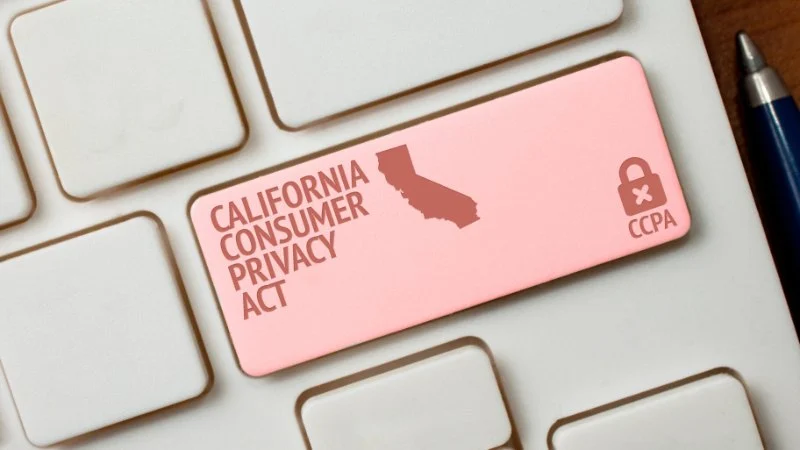
The California Consumer Privacy Act (CCPA) is one of the most comprehensive data privacy laws in the United States, and it’s essential for businesses to understand how to comply with its requirements. The CCPA provides California residents with specific rights over their personal data, such as the right to access, delete, and opt out of the sale of their data. For businesses, compliance with the CCPA is critical to avoid penalties and legal complications.
Complying with the CCPA means that businesses must take proactive steps to ensure that they handle consumer data responsibly. Even businesses located outside California must comply if they meet certain thresholds related to the collection or sale of personal information from California residents. This article will walk you through how to navigate CCPA compliance effectively from anywhere.

Sirmabekian Law Firm / sirmabekian law firm
BurbankLos Angeles CountyCalifornia
2600 W Olive Ave #549, Burbank, CA 91505, USA
2. Who is Affected by CCPA
CCPA applies to businesses that meet certain criteria. These include:
- Revenue Threshold: Businesses that generate over $25 million in annual revenue.
- Data Collection: Companies that collect personal information from 50,000 or more consumers, households, or devices.
- Business Activity: Businesses that derive at least 50% of their revenue from selling personal information.
Even if your business is not located in California, you may still be subject to the CCPA if you meet these thresholds and handle data from California residents. As such, understanding whether your business is affected is the first step in ensuring compliance with the CCPA.

Shouse Law Group Los Angeles Criminal Defense & DUI Lawyers / shouse law group reviews
Los AngelesLos Angeles CountyCalifornia
4419 Van Nuys Blvd #307, Sherman Oaks, CA 91403, USA
3. CCPA Compliance Requirements for Businesses
Once you determine that your business is subject to the CCPA, it’s crucial to understand the compliance requirements. These are the key obligations businesses must fulfill:
- Transparency: Businesses must inform consumers about what personal information they collect, the purposes for which the information is used, and how the data will be shared.
- Consumer Rights: Businesses must allow California residents to exercise their rights to access, delete, and opt out of the sale of their personal information.
- Data Security: Companies must implement reasonable security measures to protect consumer data from unauthorized access or breaches.
- Non-Discrimination: Businesses are prohibited from discriminating against consumers who exercise their CCPA rights. For example, a company cannot charge higher prices or provide a lower level of service to a consumer who opts out of data sharing.
By understanding these requirements, businesses can implement the necessary processes and systems to comply with CCPA and protect consumer privacy.
4. Steps to Achieving CCPA Compliance
To achieve CCPA compliance, businesses need to take the following steps:
- Conduct a Data Inventory: Understand what data you collect, how it’s used, and who it’s shared with. This will help you identify which data is subject to the CCPA.
- Update Privacy Policies: Revise your privacy policies to include clear information about the rights of California residents, how they can exercise these rights, and how data is handled.
- Implement Data Access and Deletion Processes: Set up systems to respond to consumer requests for access to their data or to have their data deleted.
- Establish a “Do Not Sell” Mechanism: If you sell personal information, you must provide a way for consumers to opt out of the sale of their data.
- Train Employees: Ensure that employees, especially those handling customer data, are trained in CCPA compliance and understand how to respond to consumer requests.
By following these steps, businesses can build a strong foundation for meeting CCPA’s requirements and safeguarding consumer privacy.
5. Common Challenges in CCPA Compliance
While CCPA compliance is crucial, it can be challenging for businesses to navigate the law’s requirements. Some of the common hurdles businesses face include:
- Data Complexity: Identifying and managing personal data across multiple systems can be difficult, especially for businesses with vast data repositories.
- Consumer Requests: Handling a large volume of consumer requests for data access or deletion can be time-consuming and resource-intensive.
- Legal Interpretation: The CCPA has complex provisions, and interpreting its language can be challenging, particularly when dealing with non-traditional data uses.
By recognizing these challenges, businesses can plan for and mitigate potential issues, ensuring a smoother path to compliance.
6. Case Studies of CCPA Implementation
Many businesses have successfully implemented CCPA compliance strategies. For example, Company X, a tech startup, faced initial challenges with data inventory and consumer requests. However, after implementing a robust data management system and training employees, they were able to comply with CCPA requirements and enhance customer trust. Similarly, Company Y, a retail chain, quickly adapted by updating their privacy policy and introducing an efficient mechanism for handling “Do Not Sell” requests.
These examples demonstrate that with the right tools and strategies, even smaller businesses can successfully comply with the CCPA and avoid penalties.
7. Legal Resources for CCPA Compliance
Legal experts and resources can significantly help businesses navigate the complexities of CCPA compliance. Consulting with a lawyer who specializes in data privacy can ensure that your business meets all legal requirements. In addition, many online tools and services are available to assist with data mapping, policy updates, and request handling.
If your business is struggling with CCPA compliance, consider reaching out to CGS Law Hub, where we offer expert legal guidance and resources to help you ensure compliance with California’s privacy laws.






 Leverson Budke Estate Planning5.0 (1 reviews)
 Mashel Law LLC4.0 (165 reviews)
 Pendergast Law5.0 (36 reviews)
 Hutton & Khalaf5.0 (17 reviews)
 Law Office of Esperanza Rivera-Valenzuela4.0 (129 reviews)
 Law Offices of Raffi T. Khorozian, P.C.4.0 (90 reviews)
 Understanding Bankruptcy Options – Expert Legal Advice
 What to Know Legally About State-by-State Differences in Minimum Wage Laws
 How to Legally Manage a Cross-Border Inheritance: U.S. & Foreign Assets
 How to Legally Protect Your Brand Name Across U.S. States
 Understanding Your Tenant Rights in Rental Disputes - Know Your Legal Protections
 How to Legally Change Your Name: A Step-by-Step Guide