
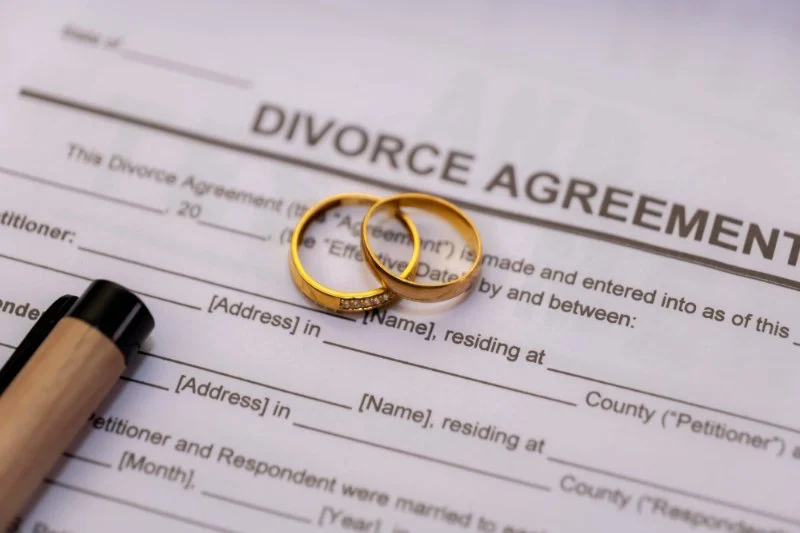
- understanding-divorce-agreement-violations - what counts as a breach in family court orders
- legal-rights-after-divorce-decree - how enforceable court orders actually work
- contempt-of-court-and-enforcement-options - legal tools to address violations
- child-support-and-spousal-support-enforcement - financial enforcement mechanisms explained
- modification-vs-enforcement-strategies - when to change vs enforce agreements
- real-life-divorce-dispute-scenarios - how violations play out in practice
- legal-strategy-for-dealing-with-ex-spouse - step-by-step practical approach
When a Divorce Agreement Stops Being Followed
A divorce agreement is not just a personal understanding between two former spouses—it is a legally binding court order. When one party begins to ignore or violate its terms, it shifts the issue from a private conflict into a matter of family court enforcement.
A divorce agreement violation can involve missed child support payments, refusal to transfer property, ignoring custody schedules, or failing to comply with spousal maintenance obligations. Each of these actions carries legal consequences because the agreement has the same force as a court judgment.

Braden & Tucci / braden and tucci
Los AngelesLos Angeles CountyCalifornia
811 Wilshire Blvd 17th Floor, Los Angeles, CA 90017, USA
Why Enforcement Matters in Family Law
Courts take divorce decrees seriously because they are designed to ensure fairness after the dissolution of a marriage. When one party does not comply, the legal system provides structured remedies to restore balance and protect affected parties—especially children.

Law Offices of David Mamann / law offices of david mamann
Beverly HillsLos Angeles CountyCalifornia
291 S La Cienega Blvd # 214, Beverly Hills, CA 90211, USA
What Legally Counts as a Violation of a Divorce Agreement
Not every disagreement qualifies as a legal breach. Family courts look at whether the conduct directly violates specific terms of the divorce decree.
Common Types of Divorce Agreement Violations
Typical violations include:
1. Failure to pay child support or spousal support2. Refusal to follow custody or visitation schedules3. Not transferring assets or property as ordered4. Ignoring shared debt obligations assigned by the court
These actions are considered enforceable breaches and may trigger court intervention.
Example From Real Family Court Practice
In one frequently seen case type, a parent repeatedly failed to pay child support despite having stable income. The court ultimately classified the behavior as a willful violation, resulting in wage garnishment and additional penalties for contempt.
Legal Power Behind a Divorce Decree
Once a divorce is finalized, the decree becomes an enforceable judgment issued by the court. This means it is not optional—both parties are legally required to follow it.
How Courts Enforce Divorce Orders
Family courts have broad enforcement authority, including:
- Wage garnishment for unpaid support- Seizure of tax refunds or bank accounts- Suspension of professional or driver’s licenses in some jurisdictions- Monetary sanctions for noncompliance
These enforcement tools are designed to ensure compliance without requiring constant litigation from the affected spouse.
Contempt of Court as a Legal Remedy
One of the strongest tools available in a divorce agreement violation case is a contempt of court action. This is filed when a former spouse knowingly disobeys a court order.
What Must Be Proven in Contempt Cases
To succeed in a contempt motion, the filing party typically must show:
- A valid court order existed- The other party knew about the order- They failed to comply intentionally
If proven, the court may impose fines, legal fees, or even jail time in extreme cases.
Realistic Courtroom Scenario
A common example involves a custody violation where one parent repeatedly ignores visitation schedules. Courts may respond by modifying custody arrangements or imposing strict compliance requirements to prevent future violations.
Child Support and Spousal Support Enforcement in Practice
Financial violations are among the most common post-divorce issues. When payments stop, legal enforcement becomes necessary to protect the receiving spouse and children.
How Child Support Enforcement Works
Child support enforcement agencies can:
- Automatically deduct wages- Intercept tax refunds- Report arrears to credit agencies
These mechanisms operate even without constant court filings from the custodial parent.
Spousal Support Enforcement Challenges
Spousal support violations often require more active legal involvement because enforcement structures vary by jurisdiction. Courts may still use wage garnishment or contempt proceedings to ensure compliance.
Modification vs Enforcement: Choosing the Right Legal Path
Not every violation is intentional. Sometimes a former spouse cannot comply due to financial hardship or changed circumstances. In such cases, modification—not enforcement—may be appropriate.
When Modification Makes Sense
Courts may consider modifying a divorce agreement if:
- There is a significant income change- Medical emergencies affect earning capacity- Job loss is documented and legitimate
However, modification must be formally requested—it is never automatic.
When Enforcement Is the Correct Option
If a spouse has the ability to comply but refuses, enforcement actions are typically more appropriate. This distinction is critical in family court strategy.
Real-Life Divorce Enforcement Scenario
Consider a case where a former spouse stopped making mortgage payments assigned in the divorce decree, putting the other party’s credit and housing stability at risk. After repeated warnings, the affected spouse filed a motion to enforce the divorce agreement.
The court ruled in favor of enforcement, ordering immediate payment of arrears and imposing penalties for continued noncompliance. This type of scenario highlights how courts prioritize financial and family stability over informal agreements between ex-spouses.
Legal Strategy for Handling a Non-Compliant Ex-Spouse
Dealing with a former spouse who violates court orders requires a structured approach rather than emotional reactions.
Step-by-Step Legal Approach
A typical legal pathway includes:
1. Documenting every violation clearly2. Attempting informal resolution when appropriate3. Filing a motion to enforce the divorce decree4. Seeking contempt proceedings if violations continue
Each step builds a stronger legal foundation and increases the likelihood of court intervention.
Why Legal Guidance Is Essential
Family law enforcement involves procedural rules that vary by state. Missteps in filing or evidence presentation can delay enforcement or weaken a case significantly.
For individuals seeking structured legal guidance, resources like CGS Law Hub can help clarify enforcement procedures and explain how courts typically handle divorce agreement violations.






 Karnas Law Firm, PLLC5.0 (9 reviews)
 Bibiyan Law Group4.0 (138 reviews)
 Martin F. Cadogan, Esq.0.0 (0 reviews)
 Britcher, Leone & Sergio, LLC4.0 (12 reviews)
 Yarden Law Group, LLC4.0 (4 reviews)
 Peter V.K. Funk, Jr.5.0 (1 reviews)
 Employment Termination: What’s Legal and What’s Not
 How to Expunge a Criminal Record | Barber Law Hub
 What to Know About Wage Theft: Employee Rights Under U.S. Labor Law
 How to Legally Address a Power-of-Attorney Abuse Claim
 How to Legally Navigate California Consumer Privacy Act (CCPA) Compliance From Anywhere
 Understanding Your Tenant Rights in Rental Disputes: Essential Legal Information