
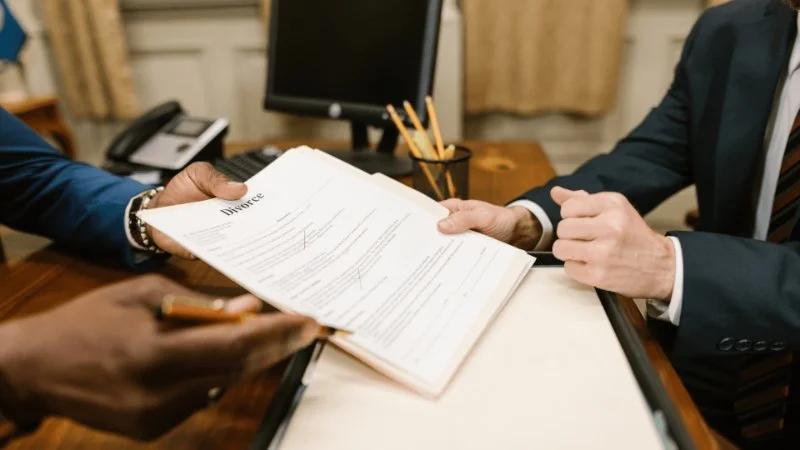
How to File for Divorce Without a Lawyer
- 1. Understanding the Divorce Process
- 2. Preparing Your Divorce Documents
- 3. Filing Your Divorce Petition with the Court
- 4. Navigating Court Hearings and Proceedings
- 5. Finalizing Your Divorce
1. Understanding the Divorce Process
Filing for divorce without a lawyer can seem overwhelming, but it is entirely possible with the right preparation. The first step is understanding the divorce process in your state. Divorce laws vary by state, so it's important to research the specific laws and requirements in your jurisdiction. Divorce typically involves several stages, including filing the divorce petition, serving your spouse with divorce papers, and finalizing the divorce through a court judgment.
2. Preparing Your Divorce Documents
Once you understand the divorce process, the next step is gathering the necessary documents. Common documents include the divorce petition, financial statements, and a proposed parenting plan if children are involved. Many courts provide divorce forms online for free. Ensure that all the information is accurate and complete, as incorrect or missing information could delay the process.
3. Filing Your Divorce Petition with the Court
After completing the necessary paperwork, you'll need to file the divorce petition with the court. This typically involves submitting the forms in person at the courthouse and paying a filing fee. In some cases, you can file your petition online. The court will then assign a case number and provide you with instructions for serving your spouse with the divorce papers.
4. Navigating Court Hearings and Proceedings
If your divorce is uncontested, meaning both parties agree on the terms, you may only need to attend a brief hearing or court appearance. However, if there is any disagreement, you may need to attend multiple hearings, including mediation and a final hearing. It's important to be prepared for these hearings by reviewing your documents, understanding the terms you're requesting, and being ready to present your case to the judge.
5. Finalizing Your Divorce
Once all hearings are complete, the final step is to finalize your divorce. If both parties agree on the terms, the judge will sign the final divorce decree, and your divorce will be official. If there are contested issues, such as child custody or property division, the judge may need to make decisions on those matters before issuing the final decree. After the decree is signed, you will receive a copy, and your divorce process will be complete.





 Morgan Legal Group | Trusts & Estate Planning5.0 (42 reviews)
 Law Offices of Ronald P. Ackerman3.0 (11 reviews)
 LEVY & BORUKH, PLLC5.0 (190 reviews)
 Schwartz, Conroy & Hack, PC5.0 (5 reviews)
 Law Offices of Meri S. Ponist3.0 (6 reviews)
 The Law Office of Johnathan Cartelli5.0 (3 reviews)
 How to Choose the Right Lawyer for Your Case – What You Need to Know in 2024
 How to Contest a Traffic Ticket and Win
 How to Choose the Right Lawyer for Your Case – Expert Guidance
 Understanding Your Tenant Rights in Rental Disputes: What You Need to Know in 2025
 Understanding Your Tenant Rights in Rental Disputes – Legal Guide for Renters
 Law Made Simple: Your Rights During a Police Stop