
1. Introduction to Intellectual Property Rights
In today's rapidly evolving world, innovation is at the heart of success in nearly every industry. Whether you're a tech entrepreneur, artist, or inventor, protecting your ideas and creations is crucial. This is where intellectual property (IP) rights come into play. Intellectual property law grants creators legal rights to their inventions, designs, and brand identifiers, ensuring they can control and profit from their work.
But what exactly are intellectual property rights? In this article, we’ll dive into the basics of IP, including the types of IP protection available, why it’s important, and how it can benefit individuals and businesses alike.

Estrada Law Group / estrada law group
Los AngelesLos Angeles CountyCalifornia
205 S Broadway Ste 808, Los Angeles, CA 90012, USA
2. What is Intellectual Property?
Intellectual property refers to creations of the mind—such as inventions, artistic works, designs, symbols, names, and other intangible assets. IP law is designed to protect these creations, granting exclusive rights to their creators. IP rights help ensure that creators can profit from their work and prevent unauthorized use or duplication by others.

APEX LAW FIRM, APC. / apex law firm apc
PasadenaLos Angeles CountyCalifornia
150 S Los Robles Ave suite 710, Pasadena, CA 91101, USA
1. Types of Intellectual Property
Intellectual property can be broadly categorized into the following types:
- Patents: Protect inventions and innovations.
- Trademarks: Protect logos, brand names, and other identifiers that distinguish goods or services.
- Copyrights: Protect original literary, musical, or artistic works.
- Trade Secrets: Protect confidential business information, such as formulas, practices, and processes.
Each type of IP serves a different purpose and provides protection in different ways. Let's explore these in more detail.
3. Patents: Protecting Inventions and Innovations
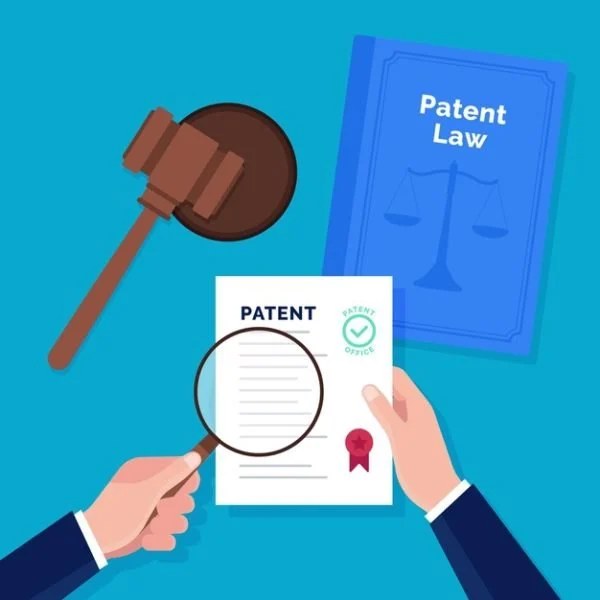
A patent is a form of intellectual property protection that gives the inventor exclusive rights to their invention. In exchange for this exclusivity, the inventor must publicly disclose the details of their invention, allowing others to learn from it while also being protected from unauthorized copying.
1. Types of Patents
There are three primary types of patents:
- Utility patents: These are the most common type, protecting new inventions or discoveries related to processes, machines, or compositions of matter.
- Design patents: These protect the ornamental design or appearance of an item, such as the unique shape of a product.
- Plant patents: These protect newly discovered or asexually reproduced plant varieties.
Obtaining a patent can be a lengthy and expensive process, but it is often essential for inventors who want to safeguard their innovations and potentially profit from their ideas.
4. Trademarks: Protecting Your Brand Identity
Trademarks are symbols, names, or other identifiers that distinguish your goods or services from those of others. Trademarks can be logos, brand names, slogans, or even the unique packaging of a product. Trademark protection is vital for businesses as it helps prevent confusion among consumers and protects brand reputation.
1. Benefits of Trademark Protection
Trademark protection gives the owner exclusive rights to use the mark in commerce. This means that others cannot legally use the same or similar marks that could cause consumer confusion. A registered trademark also provides the owner with legal recourse if the mark is infringed upon, allowing them to prevent others from using it without permission.
2. Trademark Registration Process
While you can technically use a trademark without registering it, registering it with the U.S. Patent and Trademark Office (USPTO) provides stronger legal protections. The registration process involves submitting an application that includes information about the mark, its use, and a sample of the mark in use. Once registered, you have nationwide protection and the ability to take legal action against infringement.
5. Copyrights: Protecting Creative Works
Copyrights protect original works of authorship, such as literature, music, films, artwork, software, and more. This type of IP is crucial for creators who want to ensure that others cannot copy, distribute, or perform their works without permission.
1. How Copyright Works
Copyright gives the creator of the work exclusive rights to use, distribute, and modify their creation. These rights typically last for the life of the author plus an additional 70 years. For works created for hire or corporate authorship, the duration may differ, but generally, copyright protects the work from unauthorized copying and distribution.
2. Registration of Copyright
While copyright protection is automatic once a work is created and fixed in a tangible form, registering a copyright with the U.S. Copyright Office provides additional legal benefits. Registration makes it easier to enforce the copyright in court and allows the copyright holder to seek statutory damages in case of infringement.
6. Trade Secrets: Protecting Confidential Business Information
Trade secrets refer to confidential business information, such as recipes, formulas, business strategies, and processes, that gives a company a competitive edge. Trade secrets are protected as long as they remain confidential and are not publicly disclosed.
1. How to Protect Trade Secrets
Unlike patents, trademarks, and copyrights, trade secrets are not registered. Instead, businesses must take steps to maintain the secrecy of the information, such as using non-disclosure agreements (NDAs), securing access to sensitive data, and limiting employee access to critical information. The protection of trade secrets relies on ongoing efforts to maintain their confidentiality.
2. Legal Protection of Trade Secrets
Under the Defend Trade Secrets Act (DTSA), businesses can sue if their trade secrets are misappropriated. This act allows for federal lawsuits to be filed in cases of trade secret theft, providing an important legal avenue for protecting confidential business information.
7. Why Intellectual Property Rights Matter
Intellectual property rights are essential for encouraging innovation and creativity. By protecting their creations, inventors, artists, and businesses are incentivized to develop new ideas and products. Without IP protection, there would be little to no incentive for creators to invest time, effort, and resources into their work.
1. Economic Value of Intellectual Property
IP can be a valuable asset for businesses. Patents, trademarks, copyrights, and trade secrets can generate revenue through licensing deals, sales, and enforcement against infringement. Many companies build their entire business models around IP, making it a critical aspect of their overall success.
2. Legal Protection and Enforcement
IP rights also provide legal recourse in case of infringement. If someone uses your IP without permission, you have the right to take legal action to stop them, seek damages, and prevent further unauthorized use. Having strong IP protection ensures that creators can safeguard their work from being exploited by others.
8. Conclusion: Safeguard Your Intellectual Property
Intellectual property rights are an essential tool for protecting your creative work, inventions, and business assets. Whether you're an entrepreneur, artist, or business owner, understanding and managing your IP is crucial for long-term success. By securing patents, trademarks, copyrights, and trade secrets, you can ensure that your hard work is protected and that you retain control over your creations.
For expert legal guidance on managing and protecting your intellectual property, visit Barber Law Hub. Our team of experienced attorneys is here to help you navigate the complexities of IP law and ensure that your rights are fully protected.






 SUGARMAN4.0 (57 reviews)
 Michael Wildes4.0 (12 reviews)
 Accident & Injury Lawyers - Avaness Law4.0 (222 reviews)
 Brill & Medina, LLP4.0 (71 reviews)
 Lister & Holt4.0 (201 reviews)
 Flores & Mihevc, LLC0.0 (0 reviews)
 What to Do If You Are Injured in a Car Accident – Essential Steps for Recovery
 How to File for Divorce Without a Lawyer: A Complete Guide
 The Basics of Intellectual Property Rights: What You Need to Know
 A Step-by-Step Guide to Writing a Will: What You Need to Know in 2024
 A Beginner’s Guide to Small Claims Court – Expert Legal Advice
 Your Rights During a Police Stop – Expert Legal Advice