
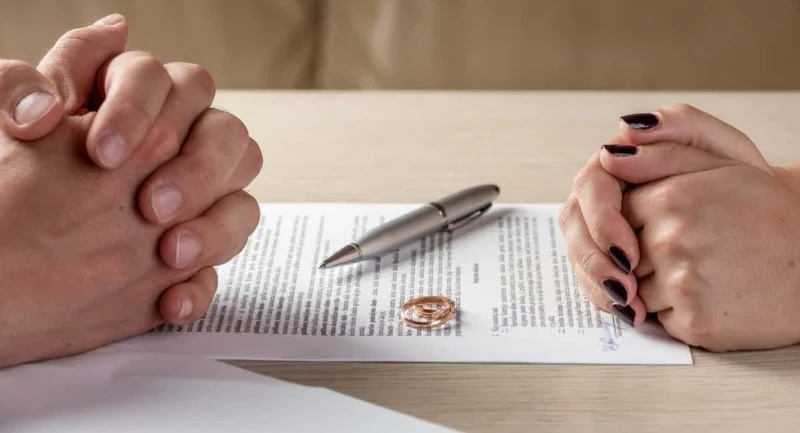
1. What Does It Mean to File for Divorce Without a Lawyer?
Filing for divorce without a lawyer, also known as a "DIY divorce," means you are representing yourself in the divorce process instead of hiring an attorney. This option is becoming more popular as people look for cost-effective ways to end their marriages. While this route can save money, it’s important to understand that divorce is a legal process with complex issues, and not all cases are suitable for a DIY approach. In this article, we will explore how to file for divorce without a lawyer and offer expert legal advice on the key steps involved.

Law Offices of Raymond Perez / raymond perez attorney
Los AngelesLos Angeles CountyCalifornia
5161 Pomona Blvd Suite 208, Los Angeles, CA 90022, USA
2. Why Choose to File for Divorce Without a Lawyer?
For some individuals, filing for divorce without an attorney may seem like a practical and affordable option. But before you decide to go down this path, it’s important to weigh the benefits and potential challenges:

Law Office of Andy Miri / andy miri attorney
Los AngelesLos Angeles CountyCalifornia
900 Avila St, Los Angeles, CA 90012, USA
2.1 Cost-Effective Option
One of the primary reasons individuals choose to file for divorce without a lawyer is the cost savings. Hiring a divorce lawyer can be expensive, with fees ranging from hundreds to thousands of dollars depending on the complexity of the case. By handling the process on your own, you can avoid these costs, especially if the divorce is uncontested (meaning both parties agree on all terms). While you may still need to pay court fees and other administrative costs, filing on your own is typically much less expensive than hiring an attorney.
2.2 Faster Process
In many cases, divorce proceedings can drag on for months or even years if both parties cannot reach an agreement. Handling your divorce without a lawyer may streamline the process, especially if you and your spouse are in agreement about the terms. DIY divorces tend to be quicker, as there are fewer delays caused by legal representation and lengthy negotiations.
2.3 Full Control Over the Process
When you file for divorce without a lawyer, you maintain complete control over the process. This means you can make decisions about your divorce without waiting for a lawyer to review or approve every step. If you feel confident in your ability to navigate the legal system and handle negotiations, this level of control can be empowering.
3. How to File for Divorce Without a Lawyer
Now that we’ve explored the benefits of filing for divorce without a lawyer, let’s dive into the step-by-step process. It’s important to remember that each state has its own divorce laws and procedures, so be sure to consult your local court for specific requirements. Here’s an overview of the general steps:
3.1 Check Eligibility for DIY Divorce
Before proceeding, you must determine if a DIY divorce is right for you. DIY divorce is best suited for uncontested divorces, where both spouses agree on all major issues, including asset division, child custody, and support. If there are disputes or complex financial arrangements, it may be wiser to consult a lawyer or consider mediation.
3.2 Complete the Necessary Paperwork
The next step is to fill out the required forms. This paperwork usually includes a divorce petition (also known as a complaint or summons) and other documents that outline the terms of the divorce. Some courts offer online resources or self-help centers to assist with completing the forms. Be sure to fill them out accurately, as errors could delay the process or lead to complications down the line.
3.3 File the Forms with the Court
Once your forms are completed, you’ll need to file them with the court. This is typically done at your local family court, and there is usually a filing fee associated with this step. After submitting your forms, the court will provide a case number, and you’ll be given a date for your hearing (if necessary).
3.4 Serve Your Spouse with the Divorce Papers
In most jurisdictions, you are required to serve your spouse with a copy of the divorce papers. This can be done through a process server or certified mail. After your spouse receives the papers, they will have a set amount of time to respond. If they agree to the terms, the process will continue smoothly. If there is disagreement, mediation or further negotiations may be needed.
3.5 Attend the Court Hearing (If Required)
If your divorce is uncontested, you may not need to attend a hearing. However, if there are unresolved issues, the court will schedule a hearing to address them. During the hearing, you’ll present your case to the judge, who will review the paperwork and make a ruling. If you and your spouse are in agreement, the judge will typically grant the divorce quickly.
4. Common Challenges When Filing Without a Lawyer
While filing for divorce without a lawyer can be a cost-effective and efficient choice, there are challenges to be aware of. Here are a few common issues that may arise:
4.1 Complexity of Legal Terminology
Divorce paperwork often involves legal terminology that can be difficult to understand. If you’re not familiar with terms like “alimony,” “equitable distribution,” or “custody arrangement,” navigating the forms and court process can become confusing. Many people struggle with interpreting legal language, which is why it’s essential to do thorough research or consult a legal expert if needed.
4.2 Risk of Mistakes
Filing for divorce without a lawyer means you are responsible for ensuring everything is completed correctly. A small mistake in the paperwork can lead to delays or even the dismissal of your case. If you are unsure about any part of the process, it’s best to seek help from a legal professional or use self-help resources available through your local court.
4.3 Emotional Stress
Divorce is an emotionally charged process, and trying to handle everything on your own can add to the stress. Having to deal with the logistics of the paperwork and the emotional toll of the divorce can make the process even more difficult. Be sure to take care of your mental health and consider seeking counseling or support if needed.
5. Real-Life Example: Filing for Divorce Without a Lawyer
Consider the case of Jane, who decided to file for divorce without a lawyer after several months of trying to resolve her issues with her spouse. Since both parties agreed on the division of property and custody of their children, Jane felt confident that she could navigate the process herself. She followed the steps carefully, filing her paperwork, serving her spouse, and attending a brief court hearing. In the end, Jane was able to finalize her divorce without the high cost of hiring a lawyer. While the process wasn’t without its challenges, she felt empowered by managing it herself.
6. How Barber Law Hub Can Help You Navigate Divorce
If you’re considering filing for divorce without a lawyer but want expert advice, Barber Law Hub is here to guide you. Our team of legal experts can provide insights into your case, help you understand the process, and offer valuable advice when necessary. Whether you need help with paperwork or guidance on how to proceed, we are here to assist you every step of the way.
7. Conclusion
Filing for divorce without a lawyer can be a viable option for many individuals, especially if the divorce is uncontested and the terms are straightforward. However, it’s important to understand the legal process, avoid mistakes, and be prepared for any challenges that may arise. With the right preparation and resources, you can successfully navigate the divorce process on your own. For expert advice and support, visit Barber Law Hub to get the guidance you need to move forward with confidence.





 SUGARMAN4.0 (57 reviews)
 Michael Wildes4.0 (12 reviews)
 Accident & Injury Lawyers - Avaness Law4.0 (222 reviews)
 Brill & Medina, LLP4.0 (71 reviews)
 Lister & Holt4.0 (201 reviews)
 Flores & Mihevc, LLC0.0 (0 reviews)
 What to Do If You Are Injured in a Car Accident – Essential Steps for Recovery
 How to File for Divorce Without a Lawyer: A Complete Guide
 The Basics of Intellectual Property Rights: What You Need to Know
 A Step-by-Step Guide to Writing a Will: What You Need to Know in 2024
 A Beginner’s Guide to Small Claims Court – Expert Legal Advice
 Your Rights During a Police Stop – Expert Legal Advice