Your Legal Rights After a Natural Disaster: Insurance, Claims & Government Aid
- Understanding Your Legal Rights after a Natural Disaster
- Navigating Insurance Claims after a Disaster
- How to Access Government Aid and Disaster Assistance
- Common Disaster Claims Mistakes to Avoid
- Real-Life Stories and Cases
- Why Choose CGS Law Hub for Your Legal Needs
Understanding Your Legal Rights after a Natural Disaster
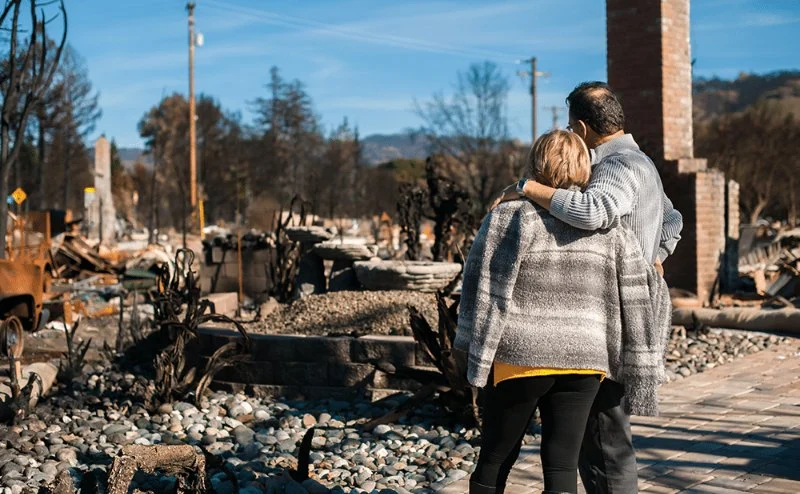
Natural disasters, such as hurricanes, floods, wildfires, and earthquakes, can cause devastating physical and financial damage. After such events, many people are unaware of their legal rights and options for recovering compensation. Understanding these rights is crucial to securing the help you need to rebuild your life.
In the aftermath of a disaster, you have several legal rights that may include compensation through insurance claims and government assistance programs. It’s important to understand the laws governing disaster recovery in your state and how they apply to you, especially when it comes to filing insurance claims and seeking government aid.

Culver Legal / culver legal reviews
Los AngelesLos Angeles CountyCalifornia
5670 Wilshire Blvd #1370, Los Angeles, CA 90036, USA
Navigating Insurance Claims after a Disaster
Insurance can be a lifesaver in the aftermath of a natural disaster, but navigating the claims process can be overwhelming. Here are the key steps to take when filing an insurance claim after a disaster:

Adamson Ahdoot LLP / adamson ahdoot llp reviews
Los AngelesLos Angeles CountyCalifornia
1122 S La Cienega Blvd, Los Angeles, CA 90035, USA
1. Review Your Insurance Policy
Before you file a claim, review your homeowner’s or renter’s insurance policy to understand what is covered. Many policies provide coverage for damage caused by certain natural disasters, but it’s important to confirm that your specific incident is included. Additionally, make sure you understand your deductible and policy limits, as these can affect your payout.
2. Document the Damage
Insurance companies require thorough documentation of the damage before approving a claim. Take clear photos and videos of all the affected areas and damaged property. Make a list of the items that were damaged or lost and gather any relevant receipts or proof of ownership.
3. File Your Claim Promptly
Contact your insurance company as soon as possible to report the damage. Be prepared to provide all the necessary documentation and information. The quicker you file, the faster you can begin the process of receiving compensation for your losses.
4. Work with an Insurance Adjuster
An insurance adjuster will typically visit your property to assess the damage. Be sure to be present during their visit and provide them with any evidence you have gathered. If you disagree with the adjuster’s assessment, you have the right to appeal the decision.
How to Access Government Aid and Disaster Assistance
In addition to private insurance claims, there are several government programs that provide financial assistance after a natural disaster. These programs are designed to help individuals and businesses recover, particularly if they are underinsured or lack coverage for certain types of damage.
1. FEMA Assistance
The Federal Emergency Management Agency (FEMA) provides grants for temporary housing, home repairs, and other disaster-related expenses. To apply for FEMA assistance, visit their website or contact their helpline. You will need to provide proof of damage and meet certain eligibility criteria.
2. Small Business Administration (SBA) Loans
If you own a business that was affected by a disaster, the Small Business Administration (SBA) may offer low-interest loans to help cover repair costs and operating expenses. These loans are available to both homeowners and businesses in disaster-designated areas.
3. State and Local Government Aid
Many state and local governments also offer disaster assistance programs. Check with your local government or state disaster relief agency to learn about available resources, including food assistance, shelter, and rebuilding grants.
Common Disaster Claims Mistakes to Avoid
Filing a disaster claim can be a complex process, and many people make mistakes that delay or reduce their compensation. Here are some common errors to avoid:
1. Delaying the Claims Process
One of the biggest mistakes is waiting too long to file your claim. Insurance companies and government agencies have deadlines for filing claims, and missing these deadlines can result in your claim being denied. File your claim as soon as possible after the disaster.
2. Failing to Document Damage Thoroughly
Without proper documentation, it can be difficult to prove the extent of the damage to your property. Always take detailed photos and videos of the damage, and keep a list of all lost or damaged items.
3. Overlooking Policy Details
Ensure that you fully understand your insurance policy’s coverage and exclusions before filing a claim. Failing to grasp policy limits or deductibles can result in a lower payout or the denial of your claim.
Real-Life Stories and Cases
Many individuals have experienced the challenges of dealing with insurance and government aid after a disaster. One notable example is the aftermath of Hurricane Katrina, when many residents of New Orleans struggled to navigate insurance claims and access federal aid. However, with persistence and legal assistance, many were able to secure financial help and rebuild their homes.
Similarly, during the 2020 California wildfires, several business owners were able to secure SBA loans to cover the costs of rebuilding after losing everything. These success stories highlight the importance of understanding your rights and seeking help when needed.
Why Choose CGS Law Hub for Your Legal Needs
If you're struggling to navigate the complex insurance and government aid processes after a natural disaster, CGS Law Hub is here to help. Our experienced attorneys specialize in disaster recovery and can assist you with insurance claims, legal disputes, and securing government aid. Contact us today for expert advice and legal support during your recovery process.






 Brandy Daswani LLC3.0 (25 reviews)
 Petock & Petock, LLC0.0 (0 reviews)
 Law Offices of David S. Levy0.0 (0 reviews)
 Sterling Lawyers, LLC4.0 (225 reviews)
 Law Office of Eduard Braun PC4.0 (65 reviews)
 Brennan and Rogers5.0 (2 reviews)
 Understanding Arbitration Agreements: When Are They Enforceable?
 What to Know Legally About U.S. Laws Governing Esports Contracts and Player Rights
 Legal Guide to Managing Remote Board Meetings: Rules, Liability & Minutes
 How the New Tax Laws Affect Small Business Owners in the U.S.
 What to Do If You Are Injured in a Car Accident – Expert Legal Advice
 How to Legally Transfer Property After Divorce: Avoiding Costly Mistakes