
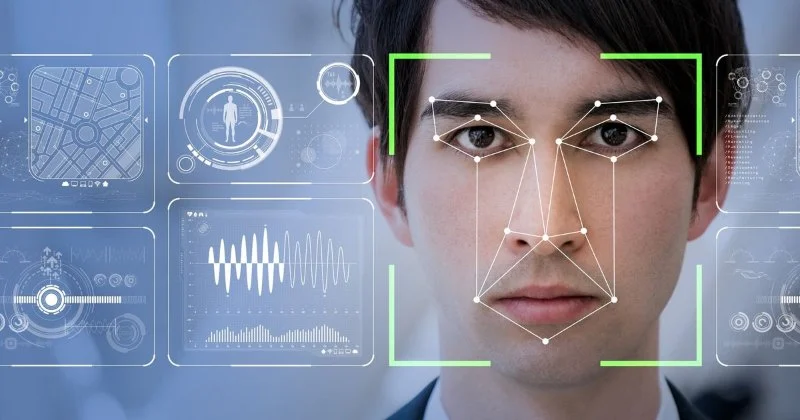
- Introduction to Facial Recognition Technology
- Legal Regulations on Facial Recognition in the U.S.
- Employee Privacy and Rights Regarding Facial Recognition
- Risks and Concerns for Employers and Employees
- Best Practices for Employers Using Facial Recognition
Introduction to Facial Recognition Technology
Facial recognition technology has rapidly evolved from a futuristic concept to a widely used tool in various industries, including security, retail, and increasingly, human resources. In the workplace, employers are exploring the potential of facial recognition to enhance security, monitor employee attendance, and even track employee performance.
However, as facial recognition technology becomes more integrated into everyday business practices, its use raises significant legal and ethical concerns. Employers need to understand the legal landscape surrounding this technology to avoid violations of employee privacy rights and ensure compliance with federal, state, and local regulations.

Culver Legal / culver legal reviews
Los AngelesLos Angeles CountyCalifornia
5670 Wilshire Blvd #1370, Los Angeles, CA 90036, USA
Legal Regulations on Facial Recognition in the U.S.
The legal landscape for facial recognition technology in the U.S. is complex and varies depending on the jurisdiction. Several key regulations govern its use by employers, primarily focused on privacy and consent. Here’s a breakdown of the legal regulations you need to be aware of:

Law Offices of David Mamann / law offices of david mamann
Beverly HillsLos Angeles CountyCalifornia
291 S La Cienega Blvd # 214, Beverly Hills, CA 90211, USA
1. Federal Regulations
Currently, there are no comprehensive federal laws specifically regulating the use of facial recognition by employers in the U.S. However, existing federal privacy laws may still apply. For example, the Biometric Information Privacy Act (BIPA) and the Fourth Amendment offer some protections related to the collection and use of biometric data, which includes facial recognition data. Employers must ensure that their use of facial recognition technology does not violate these rights.
2. State and Local Regulations
Several states have enacted their own laws to regulate facial recognition technology. For example, Illinois’ Biometric Information Privacy Act (BIPA) is one of the most well-known and restrictive laws, requiring employers to obtain explicit written consent from employees before collecting any biometric data, including facial recognition scans. Similarly, California’s California Consumer Privacy Act (CCPA) provides protections related to personal data and could potentially apply to facial recognition data.
Some cities, such as San Francisco and Oakland, have passed ordinances banning or restricting the use of facial recognition by local government entities, which may influence businesses operating within those areas. Employers must keep up to date with local laws and regulations to avoid potential legal issues.
Employee Privacy and Rights Regarding Facial Recognition
One of the most significant concerns surrounding the use of facial recognition technology in the workplace is employee privacy. Many employees are understandably wary about having their facial data collected and used by their employers. Here are some key privacy considerations for both employers and employees:
1. Informed Consent
Obtaining informed consent is essential when using facial recognition technology in the workplace. Employers should clearly explain to employees how their facial data will be used, stored, and protected. This is especially important in light of laws like BIPA, which mandates written consent for biometric data collection. Failing to obtain informed consent could expose employers to legal risks, including lawsuits and fines.
2. Data Security
Another critical issue is ensuring that facial recognition data is securely stored and protected from unauthorized access. Employers must implement strict data protection protocols, such as encryption and access controls, to prevent breaches of sensitive biometric information. A data breach involving facial recognition data can lead to severe reputational damage and legal consequences.
3. Use and Retention of Data
Employers must have clear policies on how long facial recognition data will be retained. Some states, like Illinois, require that biometric data be destroyed within a specified period after it is no longer needed for the purpose it was collected. Employers must also be transparent about the scope of their facial recognition use—whether it’s for security purposes, attendance tracking, or other functions.
Risks and Concerns for Employers and Employees
While facial recognition can bring benefits such as improved security and efficiency, there are risks and concerns for both employers and employees:
1. Legal Liability
Employers who fail to comply with privacy laws and regulations could face significant legal liability. This could include lawsuits from employees under state laws like BIPA, as well as fines and penalties from regulatory bodies. Employers must stay informed about both federal and state regulations to mitigate the risk of non-compliance.
2. Employee Trust and Morale
Employees may feel uncomfortable with the idea of being constantly monitored using facial recognition technology. This could lead to a decrease in employee morale and trust. Employers must strike a balance between using technology for security and respecting employees' privacy. Clear communication about the benefits of the technology and how it is used can help mitigate negative feelings.
3. Accuracy and Bias
Facial recognition technology is not always 100% accurate and can be prone to bias, especially when it comes to race and gender. Employers should be cautious about using facial recognition systems that may perpetuate these biases, as it could lead to wrongful identification or discrimination. Using reliable, tested technology and continuously monitoring its performance is essential to minimize these risks.
Best Practices for Employers Using Facial Recognition
To navigate the complexities of using facial recognition technology in the workplace, employers should follow these best practices:
1. Develop Clear Policies
Employers should create detailed policies outlining how facial recognition technology will be used, how data will be collected, stored, and shared, and how long the data will be retained. These policies should also include guidelines for obtaining informed consent and protecting employee privacy.
2. Prioritize Transparency and Communication
Transparent communication with employees is critical. Employers should inform employees about the use of facial recognition technology, explain its purpose, and address any concerns they may have. This can help build trust and reduce resistance to the technology.
3. Comply with All Applicable Laws
Employers must stay up to date on the latest laws and regulations regarding facial recognition technology. This includes both federal and state laws, as well as local ordinances. Consulting with legal professionals, such as those at CGS Law Hub, can help ensure compliance and avoid costly legal mistakes.
Facial recognition technology is rapidly becoming a tool of choice for many employers, but it comes with significant legal and privacy challenges. By understanding the legal landscape and following best practices, employers can minimize risks while maximizing the potential benefits of this technology.
If you're looking for legal guidance on how to navigate the complexities of facial recognition in the workplace, visit CGS Law Hub for expert advice and services.






 Brandy Daswani LLC3.0 (25 reviews)
 Petock & Petock, LLC0.0 (0 reviews)
 Law Offices of David S. Levy0.0 (0 reviews)
 Sterling Lawyers, LLC4.0 (225 reviews)
 Law Office of Eduard Braun PC4.0 (65 reviews)
 Brennan and Rogers5.0 (2 reviews)
 Understanding Arbitration Agreements: When Are They Enforceable?
 What to Know Legally About U.S. Laws Governing Esports Contracts and Player Rights
 Legal Guide to Managing Remote Board Meetings: Rules, Liability & Minutes
 How the New Tax Laws Affect Small Business Owners in the U.S.
 What to Do If You Are Injured in a Car Accident – Expert Legal Advice
 How to Legally Transfer Property After Divorce: Avoiding Costly Mistakes