
- 1. Overview of AI-Generated Music Rights
- 2. Understanding the Copyright Implications of AI Music
- 3. Who Owns AI-Generated Music?
- 4. Recent Legal Cases and Precedents
- 5. The Future of AI-Generated Music and Legal Challenges
1. Overview of AI-Generated Music Rights
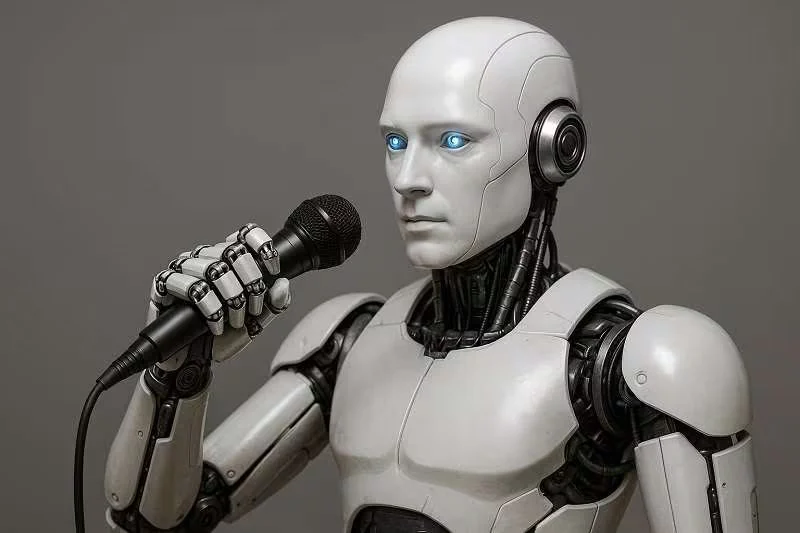
As artificial intelligence continues to evolve, its influence on music production has become undeniable. AI-generated music refers to compositions created by algorithms or machine learning systems, which have raised several legal questions about intellectual property and copyright. In the U.S., the legal framework surrounding AI-generated music rights is still developing, but there are key points that artists, producers, and businesses must understand.
Currently, U.S. copyright law is designed to protect human authors, but AI lacks legal personhood. This raises the fundamental question: Can AI be considered the creator of music? And if not, who owns the rights to music generated by AI?
Quill & Arrow LLP / quill and arrow reviews
Los AngelesLos Angeles CountyCalifornia
10880 Wilshire Blvd Suite 1600, Los Angeles, CA 90024, USA
2. Understanding the Copyright Implications of AI Music
The U.S. Copyright Office has traditionally granted copyrights to human creators. For a work to be protected, it needs to be the product of human authorship. However, when it comes to AI-generated music, this becomes murky. If an AI program generates a musical composition without direct human involvement, the question arises as to whether the composition can be copyrighted.
Currently, the Copyright Office does not recognize AI itself as a legal creator. Instead, the copyright would likely be attributed to the human or legal entity who programmed or instructed the AI. But, the complexity comes into play with fully autonomous AI systems that do not require continuous human input during the creation process.
In 2020, the Copyright Office issued a ruling stating that works created by non-human agents (such as AI) are not eligible for copyright protection. This ruling has set a precedent for the music industry, where questions about AI-generated works' protection and ownership remain contentious.

Susan E. Wiesner A Law Corporation / susan wiesner lawyer
West HollywoodLos Angeles CountyCalifornia
9000 W Sunset Blvd 9th Fl, West Hollywood, CA 90069, USA
3. Who Owns AI-Generated Music?
The issue of ownership in AI-generated music largely depends on the role that humans play in the creation process. If an individual or company has input into the creation of the AI-generated music—whether by selecting input data, choosing the model parameters, or guiding the creative process—they may be granted ownership rights. This ownership could belong to the AI developers, the users of AI tools, or even businesses that commission AI music creation.
However, the concept of "ownership" in the traditional sense of copyright is not entirely clear in these cases. A potential outcome could involve assigning shared rights or licensing agreements between AI developers and the end users who utilize AI to generate music.
In situations where the AI produces the music autonomously, with little or no human input, ownership might remain in limbo. It is important for all parties involved to establish clear contracts and agreements when utilizing AI technology for music creation to protect their intellectual property rights.
4. Recent Legal Cases and Precedents
There have been a few important legal cases and discussions surrounding AI and intellectual property, though none have fully settled the question of AI-generated music rights. A notable example is the case of the "machine-generated" artwork that was submitted for copyright protection in 2019. While the Copyright Office rejected the application, it prompted discussions about how intellectual property law might adapt to account for AI's growing role in creative industries.
In the music industry, there have been several attempts to apply AI-generated compositions, but no major court rulings have yet emerged. That being said, there are ongoing legislative efforts to address how AI fits within the current copyright framework. Some suggest that new laws may be necessary to specifically address AI-generated works.
In the meantime, music creators and AI developers are advised to consider collaborative agreements and contracts to determine the distribution of rights before proceeding with AI-generated compositions. This will help avoid potential legal challenges down the road.
5. The Future of AI-Generated Music and Legal Challenges
As AI continues to advance, the music industry will likely face more questions about intellectual property and ownership. The legal landscape surrounding AI-generated music is in a state of flux, and it will take time before a clear framework emerges. Experts believe that the U.S. Copyright Office and other governmental bodies will need to provide more concrete guidelines regarding AI-generated works to avoid confusion and potential litigation.
There are also broader philosophical debates surrounding the role of AI in creative industries. Should AI be allowed to generate works that are legally owned, or should the rights always remain with human creators? The outcome of these debates will shape the future of AI-generated music rights, as well as the broader scope of copyright law in the digital age.
For now, anyone involved in the creation or distribution of AI-generated music should stay informed about the ongoing legal developments. Establishing clear terms of use and intellectual property agreements with the developers and users of AI music tools will help ensure that your rights are protected in this rapidly evolving area of law.
If you're looking for expert advice on intellectual property issues or need legal assistance in navigating AI-related challenges, visit CGS Law Hub, where we offer specialized legal services tailored to the needs of tech developers, artists, and businesses.






 Matthew Minsky4.0 (10 reviews)
 Velter Yurovsky Zoftis Sokolson, LLC5.0 (1 reviews)
 Handler Henning & Rosenberg LLC4.0 (267 reviews)
 True Legal Group1.0 (1 reviews)
 Law Offices of Kaplan & Kaplan, P.C.4.0 (106 reviews)
 Greco Neyland, PC5.0 (4 reviews)
 Starting a Nonprofit Organization Guide | Expert Legal Advice in 2024
 What to Know About Wage Theft: Employee Rights Under U.S. Labor Law
 Legal Tips for Someone Starting a Non-Profit That Operates in Multiple States
 Legal Tips for Senior Executives Departing a Company: Non‑Compete & Non‑Disclosure
 A Step-by-Step Guide to Writing a Will - Legal Steps You Need to Take
 Law Made Simple: A Beginner’s Guide to Small Claims Court