
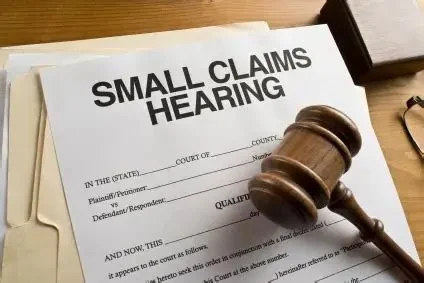
- What is Small Claims Court?
- How to File a Claim in Small Claims Court
- What to Expect in Small Claims Court
- Tips for Success in Small Claims Court
- Common Mistakes to Avoid
What is Small Claims Court?
Small Claims Court is a legal venue where individuals and businesses can resolve disputes involving smaller amounts of money. In most jurisdictions, small claims courts are designed to be more accessible to the general public, allowing people to file lawsuits without the need for expensive legal representation. These courts typically handle cases involving monetary claims that are below a certain dollar threshold, which varies by state or country.
The goal of Small Claims Court is to provide a fast, affordable, and simple way to resolve disputes over small amounts of money. This makes it an ideal option for individuals or businesses who cannot afford the high costs of traditional court procedures. The cases are typically heard by a judge without a jury, and the process is designed to be straightforward, with minimal legal jargon.

Levin & Nalbandyan LLP / jacob nalbandyan
Los AngelesLos Angeles CountyCalifornia
811 W 7th St 12th floor, Los Angeles, CA 90017, USA
How to File a Claim in Small Claims Court
Filing a claim in Small Claims Court is typically a simple process. Here’s a general outline of the steps you need to take:
- Determine Eligibility: Ensure that your claim falls within the monetary limits for small claims in your area. Claims that exceed the limit will need to be filed in a higher court.
- Complete the Claim Form: You will need to fill out a claim form, also known as a “complaint” or “statement of claim,” which includes details about the dispute and the amount of money you are seeking. Most jurisdictions have standard forms available online or at the court.
- Pay Filing Fees: There is usually a small fee to file your claim. These fees vary depending on the amount of the claim and the jurisdiction.
- Serve the Defendant: After filing the claim, you must notify the other party (the defendant) that a case has been filed against them. This is called “serving” the defendant. There are specific rules regarding how this must be done, such as personal service, certified mail, or through a process server.
- Prepare for Court: Gather all evidence and documents that support your claim, such as contracts, receipts, photographs, or witness statements. Be sure to organize your evidence in a clear and understandable manner.
What to Expect in Small Claims Court
When you arrive at Small Claims Court, here’s what you can generally expect:
- Appearance before a Judge: Most small claims cases are heard by a judge, who will listen to both parties present their case. The judge will ask questions to clarify the facts and may issue a decision on the spot or take the matter under advisement.
- No Jury: Unlike other types of court cases, small claims cases are typically decided by a judge without a jury. This makes the process quicker and more straightforward.
- Shorter Hearing Time: Small claims hearings are usually much shorter than other types of legal proceedings. You will likely have only a limited amount of time to present your case, so it's important to be concise and organized.
- Judgment: After hearing both sides, the judge will issue a judgment, which may include a monetary award to the plaintiff, dismissal of the case, or another ruling based on the evidence.
Tips for Success in Small Claims Court
While the process is designed to be accessible to the public, there are a few things you can do to improve your chances of success:
- Be Organized: Bring all relevant documents, evidence, and any written agreements that support your claim. Organize your materials so that you can present them clearly and efficiently.
- Stay Professional: Always be respectful to the judge and the defendant, even if the situation is frustrating. A professional and calm demeanor will help you present your case more effectively.
- Know Your Case: Be sure you understand the facts of your case inside and out. Be prepared to explain clearly why you are entitled to the amount you're claiming.
- Follow the Rules: Be sure to follow all procedural rules, including filing deadlines and service requirements. Ignoring the rules could result in your case being dismissed.
Common Mistakes to Avoid
While Small Claims Court is designed to be easy to navigate, many individuals make common mistakes that can hurt their case:
- Failure to Serve the Defendant Properly: If you don’t serve the defendant properly, your case could be dismissed. Ensure that you follow the court’s rules for service and have proof that the defendant received notice of your claim.
- Not Having Enough Evidence: Courts make decisions based on the evidence presented, so make sure you have all the necessary documentation, such as contracts, receipts, or photos.
- Being Unprepared for the Hearing: Don’t wait until the day of the hearing to organize your case. The more prepared you are, the more likely you are to win your case.
- Ignoring Settlement Options: Sometimes, disputes can be resolved before going to trial. Don’t ignore the possibility of settling with the other party before the hearing, which can save time and money.
If you’re looking for professional guidance or legal representation for your small claims case, don’t hesitate to contact the experts at Barber Law Hub. They can help ensure you are well-prepared and informed every step of the way.






 Surman Law5.0 (11 reviews)
 Nick Boggs Law5.0 (3 reviews)
 Kenny Olatunji Law Office Pc1.0 (1 reviews)
 Divorce Lawyer Brooklyn Aronov Law NY0.0 (0 reviews)
 James P. Conard5.0 (21 reviews)
 Shepard Law4.0 (111 reviews)
 The Basics of Intellectual Property Rights – Expert Legal Advice
 Understanding Immigration Law for Newcomers – Expert Legal Advice
 How to File for Divorce Without a Lawyer – A Step-by-Step Guide
 A Beginner’s Guide to Small Claims Court: What You Need to Know in 2025
 Understanding Bankruptcy Options – Expert Legal Advice to Help You Navigate the Process
 Your Rights During a Police Stop – Know What to Do and How to Protect Yourself