
1. Introduction to U.S. Consumer Protection Laws
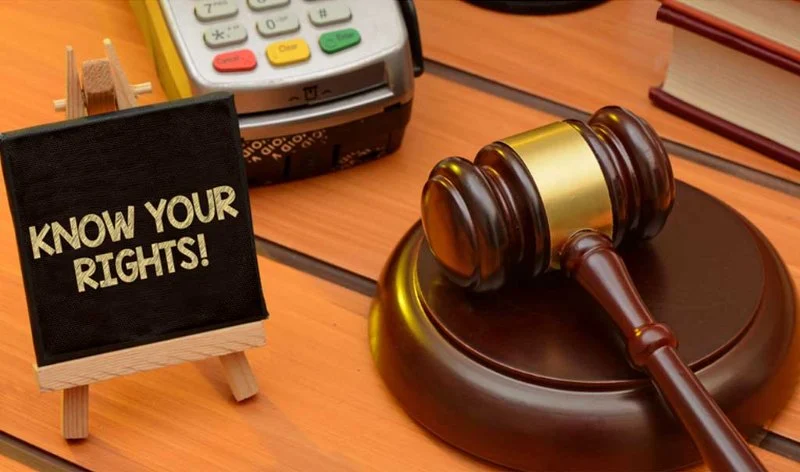
In the United States, consumer protection laws are designed to ensure that businesses operate fairly, transparently, and in ways that benefit consumers. These laws cover a wide range of issues, from product safety to deceptive advertising practices. As a consumer, it’s important to understand your rights and the legal tools available to protect yourself when those rights are violated. One of the most powerful legal tools available is the class action lawsuit, which allows consumers to join together to address widespread harm caused by a company’s illegal practices.

Adamson Ahdoot LLP / adamson ahdoot llp reviews
Los AngelesLos Angeles CountyCalifornia
1122 S La Cienega Blvd, Los Angeles, CA 90035, USA
2. What Are Consumer Protection Laws?
Consumer protection laws are a set of regulations put in place to prevent businesses from exploiting consumers. These laws are meant to ensure that consumers are treated fairly and that businesses do not engage in fraudulent or unethical practices. These regulations are enforced by various federal and state agencies, such as the Federal Trade Commission (FTC), the Consumer Financial Protection Bureau (CFPB), and the Food and Drug Administration (FDA), among others.

Law Office of Andy Miri / andy miri attorney
Los AngelesLos Angeles CountyCalifornia
900 Avila St, Los Angeles, CA 90012, USA
2.1 Federal Consumer Protection Laws
Federal consumer protection laws include a variety of rules and regulations aimed at protecting consumers. Some key examples include:
- Truth in Advertising Act: This law ensures that advertisements must be truthful and not misleading.
- Fair Credit Reporting Act (FCRA): Protects consumers from inaccurate or unfair credit reporting practices.
- Consumer Product Safety Act: Ensures that products sold in the U.S. are safe for consumers.
- Fair Debt Collection Practices Act (FDCPA): Prevents abusive practices by debt collectors.
These federal laws provide a foundation for consumer rights and are enforced through agencies like the FTC, which actively monitors and investigates complaints from consumers.
2.2 State Consumer Protection Laws
In addition to federal laws, each state has its own set of consumer protection laws, which can offer additional protections beyond those provided at the federal level. These state laws can vary significantly from one jurisdiction to another, but they generally aim to protect consumers from fraud, unfair business practices, and unsafe products. If a consumer believes they have been wronged by a company, state agencies, such as the Attorney General’s office, often provide a way for consumers to file complaints or take legal action.
3. What Are Class Actions?
A class action is a legal action taken by a group of people collectively against a defendant, typically a company or organization. When a large number of consumers are harmed by the same practice or product, a class action allows them to band together and file a lawsuit as a group. This can make it more affordable and efficient to pursue legal action, especially when the harm suffered by each individual may not be large enough to warrant a lawsuit on its own.
3.1 Why Class Actions Are Important
Class actions are a powerful tool in consumer protection, allowing individuals to address grievances that they might otherwise be unable to take on due to the costs and complexity of individual lawsuits. For example, if a company engages in deceptive practices that affect thousands of customers, it might not be feasible for every person to file a lawsuit individually. A class action lawsuit consolidates these claims, enabling consumers to pool their resources and challenge the company’s behavior. Additionally, class actions help to hold corporations accountable for widespread misconduct and can often lead to financial compensation or policy changes.
3.2 How to Join a Class Action
If you believe you are part of a class action, the first step is to check if a lawsuit has already been filed. Class actions are often publicized through media outlets or legal websites. You can also search for class action notices that may be sent to affected individuals directly or posted online. If you are eligible to join the class, you may be required to fill out a claim form or be automatically included based on your membership in the affected group. It’s important to stay informed about the progress of the case, as you may need to opt-out if you wish to pursue your own individual lawsuit.
4. Common Examples of Class Actions in Consumer Protection
Class action lawsuits are commonly filed in response to a variety of consumer issues. Some common examples include:
4.1 Product Defects
When a product is found to be defective and causes harm to consumers, a class action can be filed. For instance, if a certain model of car has a faulty airbag, a class action can be initiated by the affected car owners. Class actions allow consumers to seek compensation for the damages caused by the defect without having to individually pursue legal action.
4.2 Deceptive Marketing Practices
Companies that engage in false advertising or deceptive marketing practices can be held accountable through class actions. A well-known example is when consumers are misled about the effectiveness of a product, such as weight loss supplements or beauty products. Class actions allow large groups of affected consumers to come together and seek justice against these deceptive practices.
4.3 Wage Theft and Labor Violations
Class actions are also commonly filed in cases of wage theft or other labor violations. For example, if a company fails to pay employees for overtime or misclassifies workers as independent contractors, a class action lawsuit may be filed on behalf of all affected employees to recover unpaid wages or compensation for violations of labor laws.
5. What to Know When Participating in a Class Action
Participating in a class action can provide valuable protection for consumers, but there are some important considerations to keep in mind:
5.1 Monitor the Case Progress
Once you’ve joined a class action, it’s important to monitor the progress of the case. Legal notices, updates, and settlement offers may be sent to you, so staying informed is crucial. If the case is successful, compensation may be provided to you, but the process may take time to resolve.
5.2 Understand the Terms of Settlement
If the class action reaches a settlement, you should carefully review the terms. In many cases, the settlement may include compensation for damages, but it may also include changes to the defendant’s business practices. It’s important to ensure that the terms of the settlement align with your interests, and you may wish to consult with an attorney if you have questions.
6. Recommendations from CGS Law Hub
If you're looking for legal advice or assistance with class actions and consumer protection matters, CGS Law Hub provides expert legal resources and services. Our team of legal professionals can help guide you through the complexities of class actions and ensure your rights as a consumer are protected. Visit CGS Law Hub for more information on your legal options and how we can support you through the process.






 Jones Kelleher LLP4.0 (15 reviews)
 Divergent Family Law5.0 (90 reviews)
 Rehmke Andreve, P.S.5.0 (13 reviews)
 Law Office of Candia Weaver4.0 (4 reviews)
 Copenbarger & Copenbarger LLP4.0 (81 reviews)
 The Law Office of Erin L. Thompson, LLC4.0 (22 reviews)
 Understanding Your Tenant Rights in Rental Disputes: A Complete Guide
 Law Made Simple: What to Do If You Are Injured in a Car Accident
 What Happens If You Die Without a Will – Expert Legal Advice
 Legal Tips for Real Estate Developers Facing Zoning & Environmental Challenges
 How to Avoid Common Legal Mistakes When Buying a Home – Expert Advice
 Legal Tips for Securing Funding Under the Paycheck Protection Program (PPP) | CGS Law Hub