
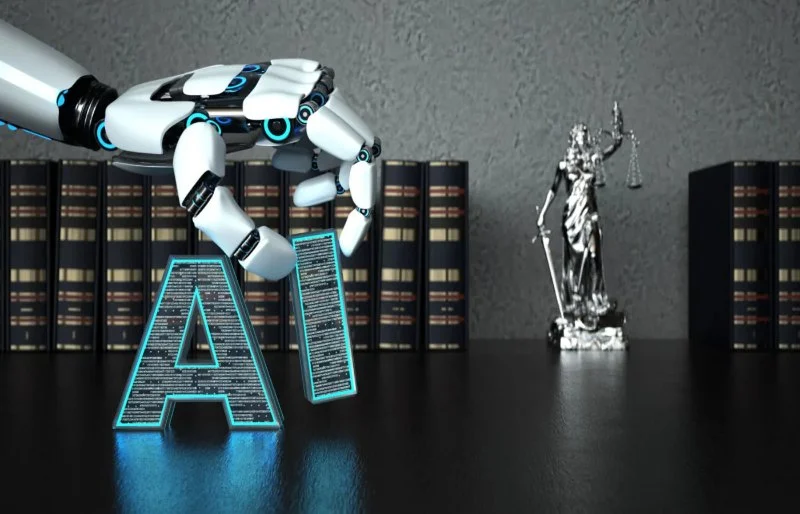
- 1- Overview of AI in Employment
- 2- Legal Challenges With AI in Employment
- 3- Key Laws Regulating AI in Employment
- 4- Privacy and Data Protection Issues in AI Employment
- 5- The Future of AI in Employment and Legal Trends
- 6- How to Stay Compliant with AI Employment Laws
1. Overview of AI in Employment
Artificial intelligence (AI) is becoming an integral part of many industries, especially in the realm of employment. AI systems are used in hiring processes, performance evaluations, and even in making decisions related to promotions or terminations. These technologies can analyze vast amounts of data and help companies make faster, data-driven decisions. However, while AI offers efficiency and innovation, it also brings about significant legal challenges, particularly in how it interacts with employment laws.
As AI continues to evolve, understanding its legal implications in the workplace is crucial for businesses and employees alike. From issues of fairness in hiring to the protection of personal data, AI in employment requires careful attention to ensure compliance with existing laws and regulations.

Quill & Arrow LLP / quill and arrow reviews
Los AngelesLos Angeles CountyCalifornia
10880 Wilshire Blvd Suite 1600, Los Angeles, CA 90024, USA
2. Legal Challenges With AI in Employment
The use of AI in employment raises several legal concerns, especially regarding discrimination, bias, and transparency. These challenges can have significant consequences for employers, employees, and even potential job applicants.

Employee Justice Legal Group PC / employee justice legal group pc
Los AngelesLos Angeles CountyCalifornia
1001 Wilshire Blvd 2nd Floor, Los Angeles, CA 90017, USA
Discrimination and Bias
One of the biggest concerns with AI in employment is the potential for discrimination. AI systems are only as good as the data they are trained on. If historical data reflects biases, AI algorithms may perpetuate those biases, leading to discriminatory hiring practices. For example, if an AI system is trained on past hiring decisions that were biased against women or people of color, it might inadvertently favor candidates from certain demographics.
Discriminatory practices could result in legal actions against companies, as they may violate anti-discrimination laws such as the Civil Rights Act of 1964 and the Equal Employment Opportunity Commission (EEOC) guidelines. It's crucial for companies to regularly audit and test their AI systems to ensure fairness and prevent discriminatory outcomes.
Lack of Transparency
Another challenge is the lack of transparency in some AI decision-making processes. AI systems, particularly those that rely on machine learning, can operate as "black boxes" where the reasoning behind decisions is not always clear to humans. This can make it difficult for employees or job candidates to understand why certain decisions were made, such as why they were rejected for a job or not promoted.
This lack of transparency can lead to concerns about accountability, especially if an employee or applicant feels they have been wrongfully treated. Legal frameworks around AI in employment need to address how to ensure that companies maintain transparency in AI-driven decisions.
3. Key Laws Regulating AI in Employment
As AI continues to be integrated into workplace decisions, several key laws regulate how it can be used in employment practices. Understanding these laws is essential for both employers and employees.
The Civil Rights Act of 1964
The Civil Rights Act, specifically Title VII, prohibits discrimination based on race, color, religion, sex, or national origin. AI systems used in hiring must comply with these anti-discrimination protections. Employers must ensure that their AI tools do not favor one group over another and are regularly tested for bias to ensure compliance with these laws.
The Equal Employment Opportunity Commission (EEOC) Guidelines
The EEOC enforces federal laws that prohibit employment discrimination. The commission has issued guidelines regarding the use of AI and automated systems in employment decisions. These guidelines stress the importance of ensuring that AI systems are fair and non-discriminatory. The EEOC recommends that employers ensure their AI tools do not disproportionately disadvantage any particular group.
The General Data Protection Regulation (GDPR)
For companies operating in or dealing with employees in the European Union, the GDPR regulates the use of personal data, including how AI systems handle employee data. Under GDPR, employees have the right to know how their data is being used and to challenge automated decisions that significantly affect them, such as those made by AI systems in hiring or performance evaluations.
4. Privacy and Data Protection Issues in AI Employment
One of the most pressing legal issues surrounding AI in employment is the protection of personal data. AI systems typically require vast amounts of data to function effectively. This data can include sensitive personal information such as employment history, performance reviews, and even biometric data like facial recognition or voice patterns.
Data Collection and Consent
Employers using AI systems must ensure that they collect data in a transparent and legal manner. Employees must give informed consent for their data to be used in AI-driven decision-making processes. Failing to do so could lead to violations of privacy laws like GDPR in Europe or the California Consumer Privacy Act (CCPA) in the U.S.
Security and Data Breaches
Data security is also a concern, as breaches involving sensitive employee data can have serious legal and reputational consequences. Companies must implement strong security measures to protect data from unauthorized access, hacking, and other risks.
5. The Future of AI in Employment and Legal Trends
As AI continues to evolve, so too will the laws governing its use in the workplace. Experts predict that there will be increased regulation and more specific guidelines around AI in employment. One potential trend is the creation of an AI "bill of rights" that outlines specific protections for employees against biased or unfair AI decisions.
Moreover, there is a growing demand for increased accountability and transparency in AI systems. Governments and organizations are likely to continue pushing for regulations that ensure AI is used responsibly in the workplace, particularly as more industries adopt AI-driven decision-making tools.
6. How to Stay Compliant with AI Employment Laws
To stay compliant with laws governing AI in employment, companies should take several key steps:
Regular Audits
Employers should regularly audit their AI systems for fairness and compliance with anti-discrimination laws. These audits should assess how the AI makes decisions and whether any groups are disproportionately affected.
Employee Training and Awareness
Employees involved in the development or use of AI systems should be trained on the legal implications of AI in employment. Training should cover data privacy laws, anti-discrimination measures, and the importance of transparency in AI systems.
Consult Legal Experts
Given the complexity of AI-related employment laws, it’s advisable for companies to consult with legal experts specializing in AI and labor laws. Firms like CGS Law Hub offer legal guidance and resources to ensure that your company is adhering to the latest regulations.





 H&S Law Group, LLC4.0 (67 reviews)
 Sauber Legal Services4.0 (17 reviews)
 SLG Family Law4.0 (10 reviews)
 My Vaccine Lawyer5.0 (402 reviews)
 James Dunn & Associates4.0 (16 reviews)
 The Law Offices of Sarah N. Gloates Horta, Esq., L.L.C.4.0 (14 reviews)
 The Basics of Intellectual Property Rights – Expert Legal Advice
 How to Avoid Common Legal Mistakes When Buying a Home
 Essential Guide to Starting a Nonprofit Organization – Legal Advice and Steps
 Understanding Your Tenant Rights in Rental Disputes
 Understanding Bankruptcy Options: Key Insights and Considerations
 A Step-by-Step Guide to Writing a Will: Essential Tips and Insights