
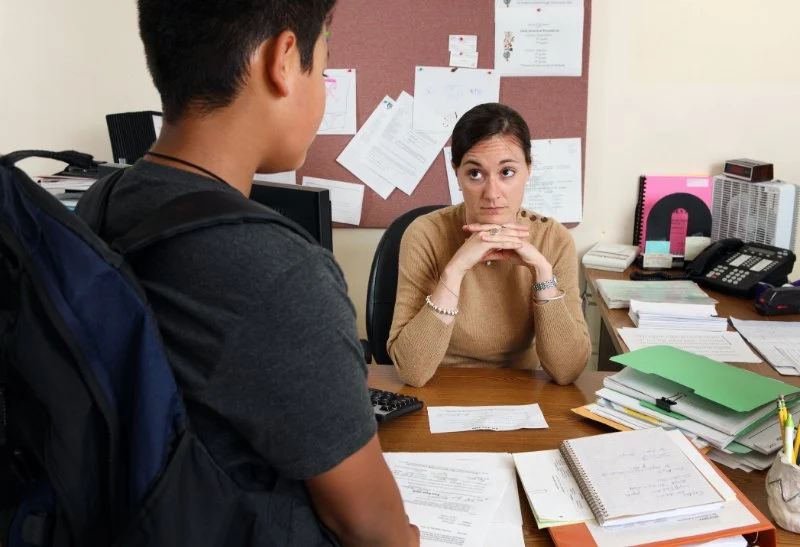
- 1. Understanding Your Legal Rights After a Suspension or Expulsion
- 2. The School Suspension and Expulsion Process
- 3. How to Appeal a Suspension or Expulsion
- 4. Special Circumstances for Suspension and Expulsion
- 5. Real-Life Case Study: Legal Challenges After Suspension
- 6. Find Legal Help at CGS Law Hub
1. Understanding Your Legal Rights After a Suspension or Expulsion
Being suspended or expelled from school can be a stressful and confusing experience, especially for students and their families. It's important to understand your legal rights in such situations to ensure that you are treated fairly and have the opportunity to challenge the decision if necessary.
Generally, students have the right to due process when facing suspension or expulsion. This means they are entitled to a fair hearing where they can present their side of the story before a disciplinary action is taken. These rights are protected by both federal and state laws, which mandate that schools provide a certain level of fairness in the process.
After a suspension or expulsion, students may also have rights regarding their education, such as the right to continue learning through alternative educational programs. It is crucial to understand these rights and take action to safeguard your educational opportunities.

APEX LAW FIRM, APC. / apex law firm apc
PasadenaLos Angeles CountyCalifornia
150 S Los Robles Ave suite 710, Pasadena, CA 91101, USA
2. The School Suspension and Expulsion Process
Suspension and expulsion are two forms of discipline used by schools when students violate school policies or laws. While they both result in removal from the school environment, there are key differences in how they are handled:
Suspension: A suspension is typically a temporary removal from school, which can range from a few days to several weeks. The process usually involves a meeting with the student, parents, and school officials. The school must provide notice to the student and their parents regarding the suspension, and in some cases, a hearing may be held to discuss the reasons behind the suspension.
Expulsion: Expulsion is a more severe form of discipline, where the student is permanently removed from the school. Expulsion is typically reserved for serious violations, such as violent behavior, drug use, or other severe infractions. The expulsion process includes a formal hearing where the student can present a defense, and in many cases, legal representation may be allowed.

Law Offices of Raymond Perez / raymond perez attorney
Los AngelesLos Angeles CountyCalifornia
5161 Pomona Blvd Suite 208, Los Angeles, CA 90022, USA
3. How to Appeal a Suspension or Expulsion
If you believe the suspension or expulsion was unjust or violated your rights, you have the right to appeal the decision. The appeals process can vary depending on the school district, but typically involves the following steps:
- Requesting an Appeal: You must request an appeal within a certain period after the suspension or expulsion decision. Be sure to check the specific timeline for your school district.
- Prepare Your Case: Gather any evidence or witnesses that can support your case. This could include documents, character references, or other evidence that shows the suspension or expulsion was unfair.
- Attend the Hearing: The appeal will likely involve a hearing with a school board or other official body. You may be allowed to bring an attorney or representative to help present your case.
- Receive a Decision: After the hearing, the school will issue a decision on your appeal. If the decision is not in your favor, you may have additional legal recourse, such as filing a lawsuit or seeking further administrative review.
4. Special Circumstances for Suspension and Expulsion
In certain situations, suspension or expulsion may be handled differently. These include cases involving students with disabilities, students facing discrimination, or students accused of certain types of misconduct, such as bullying or harassment.
Students with Disabilities: Under the Individuals with Disabilities Education Act (IDEA), students with disabilities have additional protections when facing suspension or expulsion. For example, if the behavior that led to the suspension or expulsion was related to the student's disability, the school may be required to provide an alternative educational placement rather than expelling the student.
Discrimination and Harassment: If a student is being suspended or expelled due to discriminatory reasons (e.g., race, gender, religion) or in retaliation for reporting harassment or bullying, the decision may be subject to legal scrutiny. It is important to document any evidence of discrimination or retaliation and seek legal help if necessary.
5. Real-Life Case Study: Legal Challenges After Suspension
In a real-life example, a high school student named Alex was suspended for violating school rules related to online conduct. After his suspension, Alex’s parents felt the punishment was too harsh and did not take into account the context of the situation. With the help of a legal team, they appealed the decision, arguing that the punishment was disproportionate and that Alex was not given a fair hearing.
Through the appeals process, Alex was able to present his side, and the school reduced his suspension length. This case highlights the importance of understanding your legal rights and being proactive when it comes to defending yourself against unfair disciplinary actions.
6. Find Legal Help at CGS Law Hub
If you are facing suspension or expulsion, or if you believe your legal rights have been violated, it’s crucial to seek professional legal advice. At CGS Law Hub, we provide expert guidance and support for students and families navigating the complex school discipline process. Our experienced attorneys can help you understand your rights and options, and assist you in appealing unfair decisions to ensure you receive a fair hearing and the best possible outcome.






 Avery & Avery5.0 (82 reviews)
 The Vickery Law Firm5.0 (1 reviews)
 Legg Law Firm, LLC4.0 (24 reviews)
 Gosselin Law5.0 (13 reviews)
 Hoover Medical Malpractice Law Firm5.0 (88 reviews)
 Law Office of Sergey Mangayan LLC5.0 (4 reviews)
 What to Do If You Are Injured in a Car Accident
 How to Legally Secure Your Home Network if You Run a Home Office Business
 Understanding Employment Law for Workers: What You Need to Know in 2024
 How the New Tax Laws Affect Small Business Owners in the U.S.
 A Beginner’s Guide to Small Claims Court
 How to File for Divorce Without a Lawyer: Step-by-Step Guide