
- 1 - Understanding-Immigration-Denial
- 2 - Review-Your-Denial-Notice
- 3 - Common-Reasons-For-Denial
- 4 - Legal-Options-After-Denial
- 5 - Filing-An-Appeal-Or-Motion
- 6 - Reapplying-Or-Adjusting-Status
- 7 - Seeking-Professional-Legal-Support
- 8 - Important-Tips-For-Success
- 9 - Case-Studies-And-Real-Experiences
- 10 - Long-Term-Strategies-For-Immigration
1. Understanding Immigration Denial
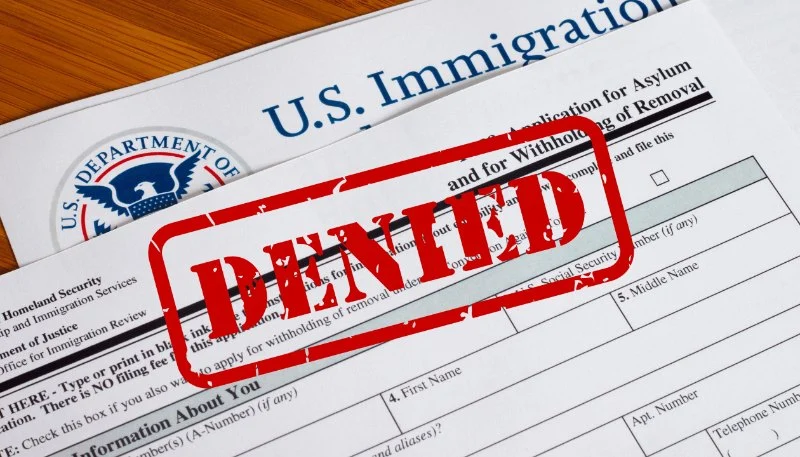
When an individual's immigration status is denied in the United States, it can be a complex and stressful experience. Denials can occur for various reasons, including incomplete documentation, ineligibility, or legal issues that need resolution. Understanding the specific cause is the first critical step toward taking effective legal action.

Law Offices of David Mamann / law offices of david mamann
Beverly HillsLos Angeles CountyCalifornia
291 S La Cienega Blvd # 214, Beverly Hills, CA 90211, USA
1.1 Types of Immigration Denial
Denials may occur for visas, green cards, asylum applications, or naturalization. Each type of denial carries unique legal considerations and potential remedies, making it essential to identify the exact category of denial.

The Darvish Firm, APC / elan darvish
Los AngelesLos Angeles CountyCalifornia
10940 Wilshire Blvd #800, Los Angeles, CA 90024, USA
2. Review Your Denial Notice
Upon receiving a denial notice, carefully review the document. This notice will typically outline the reason for denial and provide deadlines or instructions for appeals. Accurate interpretation of this information is crucial for determining the next steps.
2.1 Identifying Key Details
Look for references to regulatory codes, missing documents, or procedural errors. These details will guide your legal strategy and clarify whether immediate action, such as filing an appeal, is required.
3. Common Reasons for Denial
Immigration applications can be denied for a variety of reasons, including:
- Incomplete or inaccurate application forms
- Insufficient supporting documentation
- Previous immigration violations
- Criminal records or inadmissibility issues
- Failure to meet eligibility criteria for the specific visa or status
4. Legal Options After Denial
Once denial is confirmed, applicants have several legal pathways:
- Filing an appeal with the immigration authority
- Submitting a motion to reopen or reconsider the case
- Reapplying with corrected or additional documentation
- Pursuing alternative immigration options, if eligible
4.1 Importance of Timely Action
Deadlines for appeals or motions are strictly enforced. Delays can result in losing the right to contest the denial, making prompt action critical.
5. Filing an Appeal or Motion
An appeal involves requesting a higher authority to review the decision, whereas a motion can request the original decision be reconsidered based on new evidence or legal arguments.
5.1 Appeal Process
The appeal must include all relevant documents and a clear argument explaining why the initial decision was incorrect. Legal counsel can improve the likelihood of success by ensuring procedural compliance.
5.2 Motion to Reopen or Reconsider
This motion is appropriate if new facts, evidence, or changes in law are available. It allows the immigration authority to re-evaluate the case without starting a completely new application.
6. Reapplying or Adjusting Status
In certain cases, applicants may be advised to submit a new application. Ensuring all deficiencies identified in the initial denial are corrected is essential. Adjustments to status, such as changing visa categories, may also provide a viable pathway.
7. Seeking Professional Legal Support
Consulting an immigration attorney is highly recommended. Experienced lawyers can help:
- Interpret denial notices accurately
- Determine the most appropriate legal action
- Prepare appeals, motions, or reapplications effectively
- Advocate on your behalf before immigration authorities
8. Important Tips for Success
To strengthen your case after a denial:
- Gather complete and accurate documentation
- Understand all deadlines and procedural requirements
- Be honest and transparent in all submissions
- Seek guidance from reputable legal professionals, such as CGS Law Hub
9. Case Studies and Real Experiences
Real-world examples demonstrate that timely legal action can reverse or mitigate the effects of a denial. For instance, an applicant initially denied due to missing financial documentation successfully overturned the decision by submitting corrected forms with legal support, allowing them to continue their immigration process.
10. Long-Term Strategies for Immigration
Beyond immediate remedies, consider long-term strategies to strengthen your immigration profile:
- Maintain accurate records of all applications and correspondences
- Stay informed on immigration law updates and policy changes
- Build a credible and consistent immigration history
- Work closely with experienced attorneys to plan future applications
Experiencing an immigration denial can be daunting, but understanding your options and acting strategically can significantly improve outcomes. Legal guidance from CGS Law Hub ensures that applicants are fully informed and supported throughout the process.






 Boohoff Law, P.A. - Auto Accident Lawyers5.0 (42 reviews)
 Cavalluzzi Law4.0 (9 reviews)
 Begos Brown & Green LLP5.0 (1 reviews)
 Wanta Thome4.0 (18 reviews)
 Matthew Arakelian, Esq. of Ligris + Associates5.0 (48 reviews)
 Glugeth & Pierguidi, P.C.5.0 (21 reviews)
 A Step-by-Step Guide to Writing a Will
 Understanding Bankruptcy Options – Expert Legal Advice
 How to Avoid the Consequences of Dying Without a Will – Expert Legal Advice
 How to Legally Handle a Car Insurance Dispute After an Accident
 A Beginner’s Guide to Small Claims Court: Everything You Need to Know
 Will You Owe Taxes on Your Personal Injury Settlement? What You Should Know