
- - Introduction to Employment Law for Workers
- - Key Changes in Employment Law for 2025
- - Understanding Workers' Rights and Protections
- - How to Protect Your Legal Rights in the Workplace
- - Legal Resources and Support for Workers
1. Introduction to Employment Law for Workers
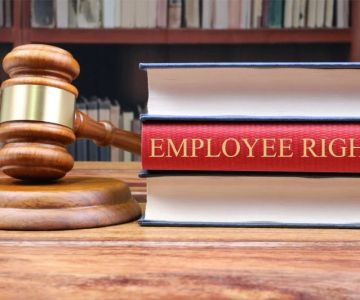
Employment law is essential in ensuring that workers are protected and treated fairly in the workplace. For workers in the United States, understanding the legal landscape is crucial to ensuring that your rights are upheld. In 2025, several significant changes to employment law are set to take place, which could directly impact your rights as a worker.
This guide will explore the key areas of employment law that affect workers, the upcoming changes in 2025, and how you can protect your rights. Whether you're a current employee, job seeker, or small business owner, understanding these aspects of employment law will help you navigate your professional life with confidence.

Hanlon Law Group P.C. / hanlon law group pc
Los AngelesLos Angeles CountyCalifornia
555 W 5th St 35th floor, Los Angeles, CA 90013, USA
2. Key Changes in Employment Law for 2025
2.1 Minimum Wage Increases
One of the most significant changes that will affect workers in 2025 is the continued rise in minimum wage laws across various states. Many states have already announced incremental increases to the minimum wage, with some cities and counties setting even higher minimum wage rates. These changes are designed to provide workers with a living wage and ensure that all employees are paid fairly for their work.

Culver Legal / culver legal reviews
Los AngelesLos Angeles CountyCalifornia
5670 Wilshire Blvd #1370, Los Angeles, CA 90036, USA
2.2 New Family and Medical Leave Provisions
In 2025, new federal and state laws will expand family and medical leave provisions for workers. This includes longer leave durations and broader coverage for family members. Employees will be able to take paid leave for medical conditions or family emergencies without fear of losing their jobs, making it easier to balance work and personal life.
2.3 Enhanced Worker Safety Regulations
With an increasing focus on workplace safety, several new regulations will be put into place to protect workers in hazardous jobs. These regulations will enhance the protection of workers in industries such as construction, healthcare, and manufacturing. Employers will be required to provide more extensive safety measures and ensure compliance with safety standards to prevent accidents and health risks.
3. Understanding Workers' Rights and Protections
3.1 Workplace Discrimination Protections
Under federal law, workers are protected from workplace discrimination based on race, gender, age, disability, religion, and other protected categories. In 2025, additional protections may be implemented to cover issues such as discrimination based on sexual orientation, gender identity, and other personal characteristics. Workers who experience discrimination can file complaints with the Equal Employment Opportunity Commission (EEOC) or seek legal action to address the issue.
3.2 Wage and Hour Laws
Workers have the right to be paid fairly for their time, and wage and hour laws are designed to protect against underpayment or exploitation. This includes laws about overtime, break times, and wage theft. In 2025, updates to these laws will ensure that more workers are eligible for overtime pay and that employers are held accountable for paying workers appropriately for their labor.
3.3 Right to Organize and Collective Bargaining
Many workers have the right to form or join labor unions and engage in collective bargaining with their employers. This right helps workers secure better wages, benefits, and working conditions. As labor laws evolve in 2025, there may be changes that further protect workers' rights to organize and negotiate collectively for improved conditions.
4. How to Protect Your Legal Rights in the Workplace
4.1 Know Your Rights
The first step in protecting your legal rights as a worker is to understand them. Familiarize yourself with your workplace rights, such as the right to a safe working environment, fair pay, and protection from discrimination. Reading up on the latest changes to employment law in 2025 will give you an edge in understanding what’s coming and how it might affect your job.
4.2 Document Everything
If you're dealing with workplace issues, it’s crucial to document everything. This includes keeping records of your hours worked, any incidents of harassment or discrimination, and any communications with your employer regarding work conditions. Documentation can serve as vital evidence in the event that you need to file a complaint or take legal action.
4.3 Seek Legal Advice When Needed
If you feel that your rights are being violated, seek legal advice as soon as possible. A lawyer specializing in employment law can help you understand your options and guide you through the process of filing a claim, whether it’s for discrimination, wage theft, or unsafe working conditions. At Barber Law Hub, we offer expert legal resources and advice to help workers understand their rights and take action when necessary.
5. Legal Resources and Support for Workers
If you're seeking more information or need help navigating employment laws, several resources can assist you. The U.S. Department of Labor (DOL) offers valuable information regarding wages, working conditions, and workers' rights. Additionally, local legal aid organizations and employment law firms like Barber Law Hub can provide personalized support for workers facing legal challenges in the workplace.
5.1 Contacting Labor Unions
If you're a member of a labor union, it can be a valuable resource for workers' rights. Unions provide support in negotiations, disputes, and ensure that workers’ voices are heard in the workplace. Many unions also offer legal support services to assist with grievances related to employment laws.
5.2 Filing Complaints
In cases where an employer violates employment laws, workers have the right to file complaints with the appropriate government agencies. For example, the EEOC handles discrimination cases, while the DOL handles wage and hour issues. Filing a complaint can often lead to a resolution without the need for a lawsuit, though legal action may be necessary in some situations.
Conclusion
As we approach 2025, it's important for workers to stay informed about changes in employment law and to understand their rights. Whether you’re dealing with wage issues, discrimination, or workplace safety concerns, knowing what protections are available to you is essential. By staying informed, documenting your rights, and seeking legal advice when needed, you can ensure that your rights as a worker are always protected. For further guidance, visit Barber Law Hub for expert advice and resources on employment law.




 Fedele & Honschke Attorneys at Law, L.L.C.4.0 (7 reviews)
 The Halks Firm5.0 (34 reviews)
 SL Law Group5.0 (16 reviews)
 Brittany Schmidt0.0 (0 reviews)
 Pasternack Tilker Ziegler Walsh Stanton & Romano L.L.P.4.0 (92 reviews)
 Blank Kim Injury Law5.0 (30 reviews)
 How to Avoid Common Legal Mistakes When Buying a Home – Expert Legal Advice
 How to Avoid Common Legal Mistakes When Buying a Home – Expert Advice
 Essential Guide to Starting a Nonprofit Organization – Legal Advice and Steps
 How to Legally Change Your Name – Expert Legal Advice
 What Happens If You Die Without a Will: What You Need to Know in 2024
 Understanding Child Custody Laws – Expert Legal Advice