
1. Understanding Ghost Guns and Their Legal Implications
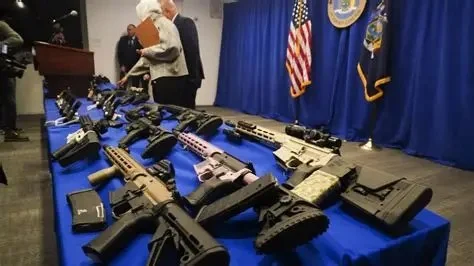
The term "ghost guns" refers to firearms that are homemade and untraceable, typically assembled from parts that can be bought online without a background check. These guns are often made using 3D printers or kits, allowing individuals to avoid traditional firearm registration processes. Understanding the legal landscape surrounding these firearms is crucial, as they are subject to unique regulations and legal complexities that differ from those of traditionally purchased guns.

Law Offices of David Mamann / law offices of david mamann
Beverly HillsLos Angeles CountyCalifornia
291 S La Cienega Blvd # 214, Beverly Hills, CA 90211, USA
2. What Are the Risks of Owning a Ghost Gun?
While ghost guns are often seen as a loophole in the legal system, they come with significant risks for their owners. Not only are they untraceable, but owning or assembling a ghost gun in some states can also lead to criminal charges. Furthermore, if a ghost gun is used in a crime, the liability falls directly on the individual who possesses it, with legal consequences that can range from fines to imprisonment. Understanding these risks is essential for anyone considering owning or assembling a ghost gun.

Braden & Tucci / braden and tucci
Los AngelesLos Angeles CountyCalifornia
811 Wilshire Blvd 17th Floor, Los Angeles, CA 90017, USA
3. The Role of Firearm-Related Liability
Firearm-related liability refers to the legal responsibilities and potential lawsuits that gun owners face if their weapons cause harm to others. In the context of ghost guns, liability concerns are heightened due to the unregulated nature of their creation. If a ghost gun is used in a crime, the owner may be held liable for the actions of the person using the firearm. This can include civil lawsuits for damages, as well as criminal charges, depending on the circumstances of the gun's use.
4. U.S. Laws and Regulations on Ghost Guns
The legal status of ghost guns in the U.S. varies by state, with some states implementing stringent laws to regulate their manufacture and possession. On the federal level, the Bureau of Alcohol, Tobacco, Firearms and Explosives (ATF) has taken steps to classify some ghost guns as illegal, particularly those that can be easily assembled into fully functioning firearms. Additionally, the Biden administration has proposed new regulations that would require serial numbers to be added to kits that can be used to build ghost guns, closing the gap in the current laws.
5. How to Legally Address Ghost Guns
To address ghost guns legally, individuals should first ensure they comply with local and federal laws. This may include obtaining a serial number for any homemade firearms, registering them if required, and ensuring that the parts used to build the gun are legally purchased. Additionally, those who own ghost guns should consult legal experts to understand their liability risks and take appropriate precautions to avoid criminal charges. If a ghost gun is involved in an incident, consulting with a lawyer is essential to understand the potential legal ramifications and how to protect one's rights.
6. Case Studies: Legal Precedents Involving Ghost Guns
Recent cases involving ghost guns highlight the complex legal issues surrounding their ownership. In one case, a California man was arrested for possessing a ghost gun and was charged with firearm-related offenses under state law. In another high-profile case, a ghost gun was used in a shooting incident, leading to a lawsuit filed by the victims' families against the gun owner. These cases underscore the importance of understanding the legal ramifications of owning a ghost gun and taking proactive steps to mitigate potential liability.
7. Addressing Firearm-Related Liability: Legal Tips
If you're concerned about firearm-related liability, there are several steps you can take to reduce your legal exposure:
- Ensure that your firearms, including ghost guns, are legally registered and compliant with state and federal laws.
- Consult with a lawyer to understand how firearm liability laws apply to you and your possessions.
- Consider firearm insurance that covers liability for accidents or incidents involving your guns.
- Regularly review changes in firearm laws to stay informed about new regulations that may affect your legal obligations.
8. Conclusion: Navigating the Legal Landscape of Ghost Guns
Owning a ghost gun in the U.S. comes with unique legal challenges. It’s crucial for individuals to understand the risks involved, the regulatory landscape, and how to address firearm-related liability. By following the appropriate legal steps, including registration, obtaining serial numbers, and consulting with legal experts, gun owners can navigate this complex issue more effectively. For those facing legal issues with ghost guns, contacting a lawyer at CGS Law Hub is highly recommended to ensure that you fully understand your legal rights and obligations.






 Edwin L Feld & Associates, LLC0.0 (0 reviews)
 Ravan Law4.0 (61 reviews)
 David Bohrer, Attorney & Counselor At Law4.0 (11 reviews)
 Christine Cassellius - Family Law Attorney3.0 (13 reviews)
 Troy K. Walker, P.C.3.0 (10 reviews)
 Bankruptcy/Bancarrota''No Mas Deudas'"Agency Legal4.0 (86 reviews)
 How to Expunge a Criminal Record – Expert Legal Advice for 2025
 How to Legally Protect Your Home Business from Liability | Expert Advice
 How to Legally Address Ghost Guns and Firearm-Related Liability in the U.S.
 How to Navigate U.S. Bankruptcy Law for Business Owners: A Comprehensive Guide
 What to Know Legally About U.S. Consumer Protection Laws and Class Actions
 Understanding Employment Law for Workers in 2024: What You Need to Know