Drone Laws for Hobbyists and Business Operators in the U.S.
- Introduction to U.S. Drone Laws
- Drone Laws for Hobbyists
- Drone Laws for Commercial Operators
- FAA Drone Regulations
- Drone Safety and Legal Considerations
Introduction to U.S. Drone Laws
In the U.S., the use of drones—whether for recreational or commercial purposes—has become a growing concern in terms of safety, privacy, and legal regulations. The Federal Aviation Administration (FAA) plays a significant role in regulating the use of drones, ensuring that drone operators adhere to established rules that protect the safety of the public and airspace. In this article, we will explore the different regulations that apply to hobbyist and commercial drone operators, as well as essential safety practices that must be followed when flying drones in the U.S.

Law Offices of David Mamann / law offices of david mamann
Beverly HillsLos Angeles CountyCalifornia
291 S La Cienega Blvd # 214, Beverly Hills, CA 90211, USA
Drone Laws for Hobbyists
For hobbyists, drone flying offers a fun and exciting way to engage with technology, but it’s essential to understand the legal landscape. Hobbyist drone operators in the U.S. are subject to specific FAA regulations that ensure safe and responsible drone use. Below are the key rules that hobbyists must follow:
- Registration: Any drone weighing between 0.55 pounds and 55 pounds must be registered with the FAA before flying.
- Altitude Limits: Hobbyists are not allowed to fly drones higher than 400 feet above ground level.
- Line of Sight: Drones must be flown within the operator's visual line of sight at all times.
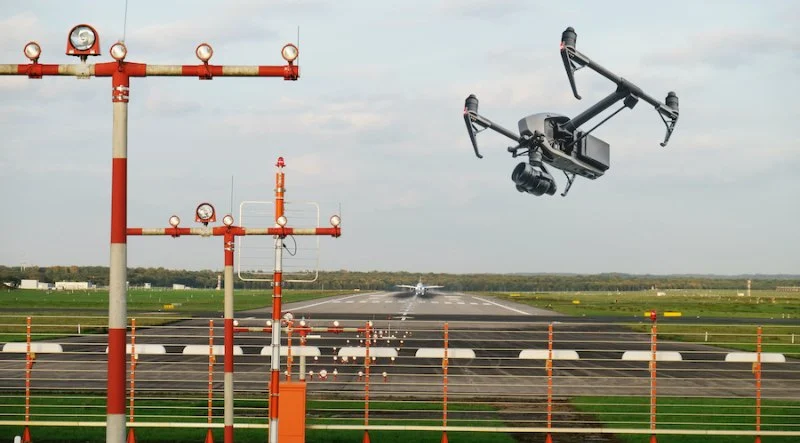
- No Fly Zones: Hobbyists must avoid restricted areas such as airports, military bases, and national parks.
- Night Flying: Flying drones at night is only allowed if the operator has obtained proper authorization from the FAA.
Drone Laws for Commercial Operators
For businesses and commercial drone operators, the regulations are more complex and require compliance with additional rules and certifications. Commercial drone operators must follow FAA guidelines under Part 107 of the Federal Aviation Regulations (FARs). Key points for commercial drone operators include:
- Part 107 Certification: Commercial drone operators must obtain a Remote Pilot Certificate from the FAA by passing a knowledge test that covers topics such as airspace rules and weather conditions.
- Aircraft Limitations: The drone must weigh less than 55 pounds and be flown within visual line of sight, unless a waiver is obtained.
- Operational Restrictions: Commercial operators are prohibited from flying drones over people, beyond the operator’s line of sight, or in controlled airspace without proper authorization.
- Waivers and Permits: Some commercial activities, such as flying at night or beyond visual line of sight, require specific FAA waivers.
FAA Drone Regulations
The FAA regulates drones to ensure that their use does not interfere with the safety of the national airspace. Besides Part 107 for commercial operators, the FAA enforces several important rules for both hobbyist and commercial drone use:
- Drone Registration: All drones over 0.55 pounds must be registered with the FAA, which helps ensure accountability and traceability in case of accidents.
- Airspace Restrictions: Drones cannot be flown in restricted or prohibited airspace unless authorized by the FAA.
- Safety Requirements: Operators must adhere to safety guidelines to minimize the risk of accidents, including no flying near crowds or emergency response areas.
- Insurance Requirements: While insurance isn’t mandatory, it’s recommended for commercial drone operators to have liability insurance to cover potential damage or accidents.
Drone Safety and Legal Considerations
Ensuring safe operation of drones is paramount to prevent accidents, damage to property, or legal issues. Here are some essential safety and legal considerations:
- Pre-flight Inspections: Operators should always check their drones before flight, including checking the battery, propellers, and camera systems.
- Weather Conditions: Weather can significantly affect drone performance, so operators should avoid flying in strong winds, heavy rain, or other adverse conditions.
- Respect for Privacy: Drones equipped with cameras must not invade people’s privacy. Operators should avoid flying over private property without consent.
- Emergency Procedures: Operators should have emergency procedures in place for situations like loss of signal or sudden weather changes to ensure a safe landing.
Drone laws are evolving as technology advances, and it’s important to stay informed about the latest regulations. If you're planning to fly a drone for personal or commercial purposes, make sure you comply with all applicable laws and regulations to avoid penalties or accidents. For more information on drone regulations and legal advice, visit CGS Law Hub.






 Greco Neyland, PC4.0 (103 reviews)
 Andrew K Gailor, PLLC5.0 (29 reviews)
 Gina-Marie LoBraico-Reitano, Esq.3.0 (18 reviews)
 Meirowitz & Wasserberg Lawyers5.0 (8 reviews)
 Rusconi Law0.0 (0 reviews)
 Randall J Holmgren5.0 (1 reviews)
 The Basics of Intellectual Property Rights: What You Need to Know
 What Happens If You Die Without a Will: A Comprehensive Guide
 Legal Tips for Handling Government Investigations of Your Business
 A Beginner’s Guide to Small Claims Court – Filing, Preparation, and Cases
 How to Legally Reconvert a Foreclosed Property and Protect Your Investment
 What Happens If You Die Without a Will: Legal Implications and What to Do