
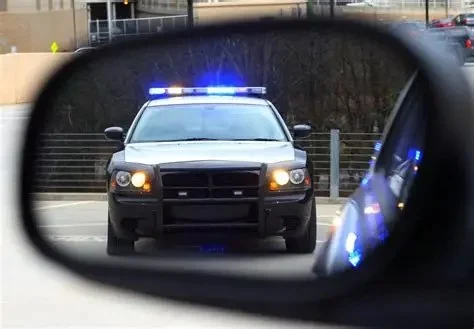
Your Rights During a Police Stop
- 1. Understanding Your Rights During a Police Stop
- 2. When Can the Police Stop You?
- 3. What to Do During a Police Stop
- 4. When to Refuse and How to Stay Safe
- 5. Common Mistakes to Avoid During a Police Stop
1. Understanding Your Rights During a Police Stop
When you're stopped by the police, it’s crucial to understand your rights to ensure that the encounter is handled appropriately. In the United States, the Fourth Amendment of the Constitution protects individuals from unreasonable searches and seizures. This means that you have certain rights during a police stop, including the right to remain silent and the right to refuse a search unless the officer has a valid warrant or probable cause.
These rights can vary slightly depending on the state you're in, but there are general guidelines that apply everywhere. Understanding these rights is key to navigating police stops safely and legally.

Shouse Law Group Los Angeles Criminal Defense & DUI Lawyers / shouse law group reviews
Los AngelesLos Angeles CountyCalifornia
4419 Van Nuys Blvd #307, Sherman Oaks, CA 91403, USA
2. When Can the Police Stop You?
The police can stop you under several circumstances. These include if they have a reasonable suspicion that you have committed, are committing, or will commit a crime. For example, they may stop you if they observe suspicious behavior or if you are in a high-crime area.
However, a police stop can only be based on reasonable suspicion, not a mere hunch. In some cases, if you are in a moving vehicle, the police may pull you over if they observe a traffic violation. In such cases, the police can ask for your license, registration, and proof of insurance, but they must treat you with respect and follow proper legal procedures.

Borna Houman Law / borna houman law
Santa MonicaLos Angeles CountyCalifornia
2530 Wilshire Blvd Third Floor, Santa Monica, CA 90403, USA
3. What to Do During a Police Stop
During a police stop, your safety and the officer’s safety are of the utmost importance. It’s essential to stay calm, remain polite, and avoid escalating the situation. Here are some steps to follow:
1. Stay Calm and Compliant
Keep your hands visible and avoid making sudden movements. If you’re in a car, it’s advisable to keep your hands on the steering wheel while the officer approaches. Be respectful and provide the officer with the necessary documentation, such as your ID, driver's license, and vehicle registration.
2. Know When to Invoke Your Rights
You have the right to remain silent. If you choose not to answer questions, you can say, "I wish to remain silent" politely. You are also allowed to ask if you are free to leave. If the officer says "no," then they must provide a legitimate reason for the stop, such as a violation or suspicion of illegal activity.
4. When to Refuse and How to Stay Safe
While you have the right to refuse certain requests from the police, it’s important to know when and how to exercise that right. You can refuse a search of your body or your car, but if an officer has probable cause or a warrant, they are legally allowed to conduct the search.
1. Refusing a Search
If the police ask to search you or your vehicle, you can say, “I do not consent to a search.” It’s important to be calm and polite when refusing. Remember, refusal alone does not mean the police will stop their actions. If they have legal grounds for a search, they may still proceed.
2. Dealing with Arrest
If you are arrested, you are not required to answer questions without an attorney present. Politely invoke your right to remain silent and ask for a lawyer. Never resist arrest, even if you believe the stop or arrest is unjust, as this can lead to additional charges.
5. Common Mistakes to Avoid During a Police Stop
It’s easy to make mistakes when you’re nervous or stressed during a police stop. However, avoiding these common errors can help protect your rights and prevent unnecessary escalation:
1. Talking Too Much
Avoid providing more information than necessary. You are not required to explain your actions unless directly asked by the police. Over-sharing can sometimes lead to self-incrimination or complicate the situation.
2. Ignoring Police Requests
While you have rights, ignoring the police or becoming confrontational is not a good strategy. Stay calm, and if you're unsure about something, politely ask, "Am I free to leave?" This can help you assess whether the police stop is legitimate.
3. Resisting Arrest
Resisting arrest or becoming physically aggressive can make the situation much worse. Even if you feel that the stop or arrest is unfair, do not physically resist. This will only escalate the situation and potentially lead to additional legal consequences.





 Bruce W Shand, Attorney at Law0.0 (0 reviews)
 Braff Law Car Accident Personal Injury Lawyers5.0 (23 reviews)
 JLT Law & Mediation4.0 (8 reviews)
 Patricia J. Hartmann St. Paul Attorney4.0 (3 reviews)
 Manuel Cardenas and Associates P.C.3.0 (188 reviews)
 Haggerty Silverman & Justice P.C.4.0 (72 reviews)
 Understanding Your Tenant Rights in Rental Disputes: Essential Legal Information
 How to Contest a Traffic Ticket and Win: What You Need to Know in 2024
 How to Protect Your Business with the Right Contracts | Legal Guidance for Entrepreneurs
 How to File for Divorce Without a Lawyer: A Complete Guide
 How to Choose the Right Lawyer for Your Case: Essential Tips and Guidance
 Understanding Your Tenant Rights in Rental Disputes: A Comprehensive Guide