
- Importance of Understanding a Lease Agreement
- Key Terms to Look for in a Lease Agreement
- Common Lease Agreement Mistakes to Avoid
- How to Negotiate a Lease Agreement
Importance of Understanding a Lease Agreement
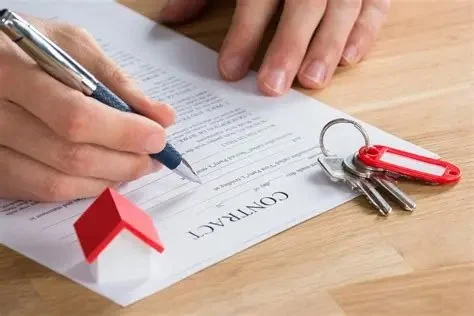
Signing a lease agreement is one of the most important steps in securing a rental property. However, many renters in the UK overlook the importance of thoroughly reading and understanding the terms of their lease. A lease agreement outlines your rights and responsibilities as a tenant, and understanding these terms is crucial to avoiding potential disputes with landlords and ensuring your rights are protected. Whether you are renting for the first time or have prior experience, taking the time to understand a lease agreement can save you from costly mistakes and legal headaches.
Before you sign, it's essential to be aware of what the lease entails, including the duration of the lease, rent amount, maintenance responsibilities, and any clauses related to breaking the lease. Having a solid understanding of the lease terms will help you make informed decisions and avoid unexpected surprises during your tenancy.

Shouse Law Group Los Angeles Criminal Defense & DUI Lawyers / shouse law group reviews
Los AngelesLos Angeles CountyCalifornia
4419 Van Nuys Blvd #307, Sherman Oaks, CA 91403, USA
Key Terms to Look for in a Lease Agreement
When reviewing a lease agreement, there are several key terms you should pay close attention to in order to ensure you’re fully aware of what you’re agreeing to. Below are some of the most important aspects of a lease that every tenant should understand:

Estrada Law Group / estrada law group
Los AngelesLos Angeles CountyCalifornia
205 S Broadway Ste 808, Los Angeles, CA 90012, USA
1. Rent Amount and Payment Terms
The rent amount is one of the most critical elements of your lease agreement. Ensure that the amount stated in the lease is clear and matches the price you agreed upon with the landlord. In addition to the rent amount, the lease should specify the payment due date, any late fees for missed payments, and the preferred method of payment. Some landlords may require post-dated checks, online payments, or direct deposits. It's important to know exactly how and when payments should be made to avoid penalties.
2. Lease Duration and Renewal Terms
The duration of the lease determines how long you’ll be obligated to rent the property. Most leases are for one year, but they can be shorter or longer. The lease should also include renewal terms, such as whether the landlord automatically renews the lease or if you must provide notice before the lease ends. Understanding renewal procedures ensures that you won't be caught off guard when your lease term is about to expire.
3. Maintenance Responsibilities
One common point of dispute between landlords and tenants is the responsibility for maintaining the rental property. The lease should outline who is responsible for routine maintenance, such as fixing appliances, replacing light bulbs, and handling plumbing issues. Additionally, some leases may require tenants to maintain the cleanliness of the property or garden. Be sure to clarify these details to avoid misunderstandings later on.
4. Deposit and Damages
The lease agreement will typically include a security deposit that the tenant must pay before moving in. This deposit serves as protection for the landlord in case of property damage or unpaid rent. The lease should clearly outline the amount of the deposit, the conditions under which it can be withheld, and the process for its return at the end of the tenancy. It's important to document any existing damages when moving in to avoid being unfairly charged for them when moving out.
5. Pet Policy and Restrictions
If you have pets or plan to get one during your tenancy, the lease agreement should specify whether pets are allowed and any associated conditions. Some landlords charge additional pet rent or require a pet deposit. It's essential to clarify these details before signing the lease to ensure you're not violating the terms later on.
Common Lease Agreement Mistakes to Avoid
While understanding the lease terms is essential, it's equally important to avoid making common mistakes that could lead to complications down the road. Here are a few key mistakes that renters often make:
1. Failing to Read the Fine Print
One of the most common mistakes tenants make is not reading the entire lease agreement carefully. The fine print can contain critical details about the landlord’s expectations, penalties, and special conditions. Always read the lease thoroughly, even if it seems like a long and tedious task. If something is unclear, don’t hesitate to ask the landlord or seek legal advice before signing.
2. Not Documenting the Condition of the Property
Before you sign the lease and move in, document the condition of the property. Take photos or videos of any existing damage, stains, or wear and tear, and send them to the landlord. This way, you won’t be held responsible for damages that occurred before you moved in, ensuring the return of your security deposit.
3. Ignoring Renewal Clauses
Many tenants forget to review the renewal clauses in their lease agreements. Some leases may automatically renew unless the tenant provides notice, while others require a formal agreement to renew. Be sure you understand the renewal terms to avoid unexpected lease extensions or the risk of being caught in a situation where you’re forced to move out with little notice.
How to Negotiate a Lease Agreement
Negotiating a lease can be intimidating, especially for first-time renters, but it’s possible to secure better terms if you know what to ask for. Here are some tips on how to negotiate a lease agreement:
1. Research Comparable Rentals
Before negotiating your lease, research other properties in the area to ensure that the rent price is fair. If you find similar properties for less, you may be able to use this information to negotiate a lower rent. Don’t hesitate to bring up your findings during your discussions with the landlord.
2. Ask for Lease Modifications
If you feel that certain terms in the lease are too restrictive, such as excessive pet fees or rigid maintenance clauses, consider asking the landlord for modifications. For example, you may request a longer notice period before the lease automatically renews or more flexibility regarding repairs. Be respectful and reasonable in your requests to increase your chances of success.
3. Understand Rent Increases
Rent increases are common at the end of lease terms, but they should be reasonable and in line with market trends. Ask the landlord to specify in the lease the maximum percentage rent can increase each year. This helps you avoid unexpected hikes that could strain your budget.
By understanding the key terms of your lease and knowing how to negotiate effectively, you can ensure that your rental experience is smooth and free from surprises. If you're looking for expert advice or lease agreement templates, visit [Barber Law Hub] for the best resources and legal services to guide you through the process.






 Freedom Legal5.0 (31 reviews)
 Law Offices of Daniele Johnson, LLC3.0 (24 reviews)
 Barry O’Lynnger0.0 (0 reviews)
 Steel Brian4.0 (191 reviews)
 OC Trial Group, APC5.0 (62 reviews)
 The Law Offices of Alla Kachan5.0 (1 reviews)
 How to Avoid Common Legal Mistakes When Buying a Home
 Understanding Your Tenant Rights in Rental Disputes: What You Need to Know in 2025
 The Basics of Immigration Law for Newcomers
 Your Rights During a Police Stop: What You Need to Know in 2025
 What Happens If You Die Without a Will: What You Need to Know in 2024
 What Happens If You Die Without a Will | Protect Your Family’s Future