
- 1 - Understanding Intellectual Property Rights
- 2 - Types of Intellectual Property Rights
- 3 - How Intellectual Property Rights Work
- 4 - Why Intellectual Property Rights Are Important
- 5 - How to Protect Your Intellectual Property
- 6 - Common Mistakes to Avoid in Intellectual Property
- 7 - Recommendations from Barber Law Hub
1. Understanding Intellectual Property Rights
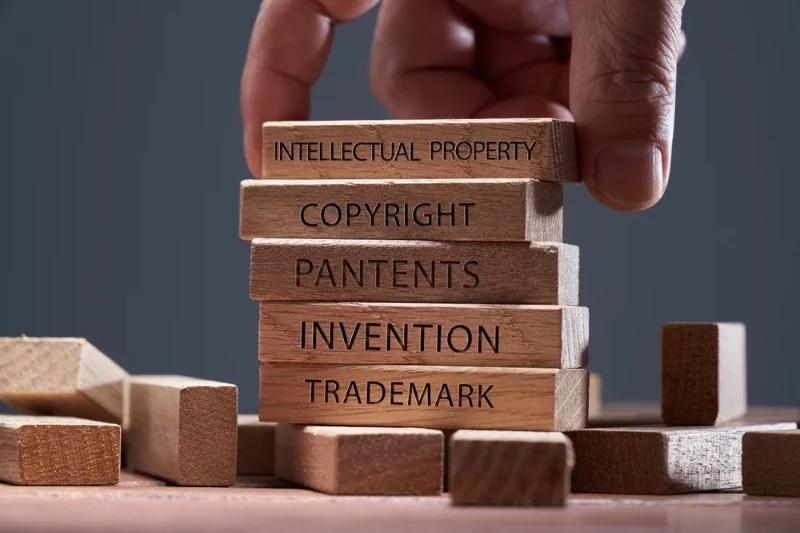
Intellectual property (IP) rights are the legal protections granted to creators, inventors, and businesses for their original works, inventions, or brands. These rights enable the owner to control how their intellectual creations are used, ensuring they benefit financially and can prevent others from using or reproducing their work without permission. In today’s knowledge-driven economy, IP is often a company’s most valuable asset.
Whether you’re a writer, a software developer, or a business owner, understanding intellectual property rights is essential to protecting your creativity and investments. In this article, we’ll break down the basics of intellectual property rights, their different types, and why they’re so crucial in the modern business landscape.

Sirmabekian Law Firm / sirmabekian law firm
BurbankLos Angeles CountyCalifornia
2600 W Olive Ave #549, Burbank, CA 91505, USA
2. Types of Intellectual Property Rights
There are several types of intellectual property rights, each designed to protect different aspects of creativity and innovation. Let’s take a closer look at each of these types:

Hanlon Law Group P.C. / hanlon law group pc
Los AngelesLos Angeles CountyCalifornia
555 W 5th St 35th floor, Los Angeles, CA 90013, USA
2.1 Copyright
Copyright is a form of protection provided to creators of original works of authorship, such as books, music, films, and software. Copyright allows the creator to control the reproduction, distribution, and performance of their work. It generally lasts for the life of the author plus 70 years, depending on the jurisdiction.
2.2 Trademark
Trademarks are used to protect brand names, logos, and other symbols that distinguish products or services. They help businesses build brand recognition and prevent confusion in the marketplace. Trademark protection can last indefinitely as long as the mark is in use and properly renewed.
2.3 Patent
Patents are granted to inventors for new inventions or processes that offer a new solution to a problem. A patent gives the inventor exclusive rights to their invention, preventing others from making, using, or selling it without permission. Patents typically last for 20 years from the filing date of the application.
2.4 Trade Secret
A trade secret is confidential business information that provides a competitive edge, such as formulas, recipes, or manufacturing processes. Unlike patents, trade secrets do not have an expiration date as long as they remain confidential and are actively protected.
3. How Intellectual Property Rights Work
Intellectual property rights work by granting legal ownership and control to the creator or inventor. Once granted, these rights allow the owner to exploit their work commercially, license it, or prevent unauthorized use by others. These rights are territorial, meaning they apply only within the borders of the country that grants them. If you want to protect your intellectual property in other countries, you may need to apply for protection in those jurisdictions as well.
For example, if you have a patented product, you are the only one allowed to manufacture or sell that product. If someone else tries to make or sell it without your permission, you can take legal action to enforce your rights. Similarly, if you’ve created a unique logo for your business, trademark protection ensures that no one else can use that logo in the same industry.
4. Why Intellectual Property Rights Are Important
Intellectual property rights are essential for several reasons:
4.1 Protecting Innovation
IP rights encourage innovation by granting creators the legal right to benefit financially from their inventions and works. This provides an incentive for individuals and companies to invest in new ideas and products.
4.2 Economic Value
Intellectual property can be incredibly valuable, especially for companies in creative industries such as entertainment, technology, and fashion. For instance, a popular brand’s trademark or a blockbuster film’s copyright can generate significant revenue through licensing and merchandising.
4.3 Preventing Infringement
IP rights help prevent others from copying or stealing your work. This means that businesses and individuals can maintain control over their creations and prevent competitors from unfairly profiting from their hard work.
5. How to Protect Your Intellectual Property
Protecting your intellectual property is essential to maintaining your creative edge and ensuring that your ideas aren’t stolen. Here are some ways to protect your IP:
5.1 Registering Your IP
One of the first steps to protecting your intellectual property is registering it with the appropriate authorities. This includes applying for patents, trademarks, and copyrights in the jurisdictions where you plan to use your intellectual property. Registration provides a public record of your ownership and strengthens your legal claim to the IP.
5.2 Non-Disclosure Agreements (NDAs)
When sharing your ideas with others, such as potential business partners or employees, make sure to have a non-disclosure agreement (NDA) in place. An NDA ensures that the recipient is legally bound to keep your information confidential and prevents them from using or disclosing it without your permission.
5.3 Monitoring and Enforcement
It’s important to regularly monitor the marketplace for potential infringements on your intellectual property. If you notice that someone is using your patented invention or trademark without your permission, take action quickly to enforce your rights. This may involve sending cease-and-desist letters or pursuing legal action.
6. Common Mistakes to Avoid in Intellectual Property
When managing your intellectual property, it’s important to avoid common mistakes that could compromise your rights:
6.1 Not Registering Your IP
Failing to register your intellectual property can leave you vulnerable to infringement and limit your ability to enforce your rights. Always ensure that you register your patents, trademarks, and copyrights as soon as possible.
6.2 Ignoring International Protection
If you plan to expand your business globally, don’t neglect international intellectual property protection. Intellectual property laws vary from country to country, so be sure to register your IP in every region where you plan to operate.
6.3 Failing to Monitor Infringement
Simply having IP rights isn’t enough—you must actively monitor for infringement. Set up alerts and regularly check for unauthorized use of your intellectual property to prevent others from profiting off your work.
7. Recommendations from Barber Law Hub
When it comes to protecting your intellectual property, it's essential to seek expert advice. At Barber Law Hub, we specialize in intellectual property law and can help you navigate the complexities of protecting your ideas, inventions, and brands. Our team of experienced attorneys can guide you through the process of registering and enforcing your IP rights to ensure that your creations are fully protected.






 Bruce W Shand, Attorney at Law0.0 (0 reviews)
 Braff Law Car Accident Personal Injury Lawyers5.0 (23 reviews)
 JLT Law & Mediation4.0 (8 reviews)
 Patricia J. Hartmann St. Paul Attorney4.0 (3 reviews)
 Manuel Cardenas and Associates P.C.3.0 (188 reviews)
 Haggerty Silverman & Justice P.C.4.0 (72 reviews)
 Understanding Your Tenant Rights in Rental Disputes: Essential Legal Information
 How to Contest a Traffic Ticket and Win: What You Need to Know in 2024
 How to Protect Your Business with the Right Contracts | Legal Guidance for Entrepreneurs
 How to File for Divorce Without a Lawyer: A Complete Guide
 How to Choose the Right Lawyer for Your Case: Essential Tips and Guidance
 Understanding Your Tenant Rights in Rental Disputes: A Comprehensive Guide