
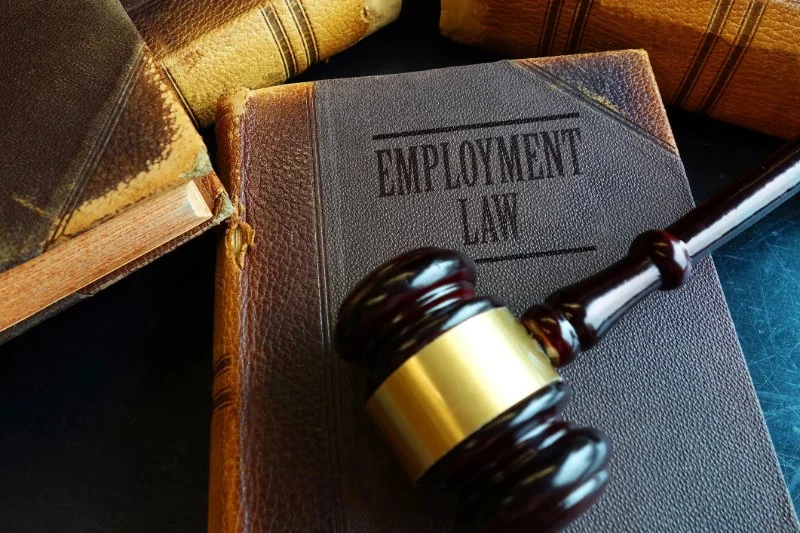
- 1. What Is Employment Law and Why Is It Important?
- 2. Understanding Workers' Legal Rights
- 3. Key Employment Laws That Protect Workers
- 4. Common Workplace Legal Issues and How to Handle Them
- 5. When to Seek Legal Advice for Employment Issues
1. What Is Employment Law and Why Is It Important?
Employment law refers to the set of legal rules that govern the relationship between employers and employees. This area of law covers a variety of topics, from employee rights to compensation laws, workplace safety, and beyond. For workers, understanding employment law is crucial, as it helps protect their rights in the workplace, ensures fair treatment, and provides remedies when their rights are violated.
Employers, on the other hand, must also be aware of employment laws to avoid potential legal issues, maintain compliance with regulations, and foster a fair and productive workplace.

APEX LAW FIRM, APC. / apex law firm apc
PasadenaLos Angeles CountyCalifornia
150 S Los Robles Ave suite 710, Pasadena, CA 91101, USA
2. Understanding Workers' Legal Rights
Every worker is entitled to a set of legal rights aimed at ensuring fair treatment in the workplace. These rights help create a safe and fair environment for employees, allowing them to work without fear of discrimination, exploitation, or unsafe conditions. Below are some of the key rights every worker should be aware of:
- Right to Fair Wages: Workers are entitled to receive a fair wage for their work. This includes minimum wage laws, overtime pay, and protection against wage theft.
- Right to a Safe Workplace: Employees have the right to work in an environment free from recognized hazards that could cause serious harm. This includes protection under OSHA (Occupational Safety and Health Administration) regulations.
- Right to Non-Discrimination: Workers cannot be discriminated against based on their race, gender, religion, disability, or other protected characteristics. Employment laws ensure equal opportunities for all employees.
- Right to Family Leave: The Family and Medical Leave Act (FMLA) allows eligible employees to take unpaid leave for certain family and medical reasons without losing their job.
3. Key Employment Laws That Protect Workers
Several important laws exist to protect the rights of workers in the United States. Understanding these laws can help you recognize when your rights have been violated. Here are some of the key laws protecting workers:
- Fair Labor Standards Act (FLSA): This law sets standards for minimum wage, overtime pay, recordkeeping, and youth employment. It helps ensure that workers are paid fairly for their time and labor.
- Occupational Safety and Health Act (OSHA): OSHA establishes and enforces workplace safety standards to protect workers from hazards that could cause injury or illness.
- Civil Rights Act of 1964: Title VII of this law prohibits discrimination based on race, color, religion, sex, or national origin. It is a key law protecting workers from workplace discrimination.
- Family and Medical Leave Act (FMLA): FMLA allows eligible workers to take unpaid leave for certain family and medical reasons, ensuring they don’t lose their job in the process.
- Americans with Disabilities Act (ADA): This law prohibits discrimination against individuals with disabilities and requires employers to provide reasonable accommodations for employees with disabilities.
4. Common Workplace Legal Issues and How to Handle Them
Workers often face various legal issues in the workplace. Understanding how to handle these situations can make a significant difference in protecting your rights. Here are some common issues and how they can be addressed:
- Unpaid Wages: If you’re not receiving the wages you’re owed, you may be entitled to back pay and additional damages. Workers should keep detailed records of hours worked and pay received to support their claims.
- Discrimination: If you believe you've been discriminated against based on your race, gender, age, or another protected characteristic, it’s crucial to document any incidents and report them to the Equal Employment Opportunity Commission (EEOC).
- Workplace Harassment: Harassment can be verbal, physical, or visual and creates a hostile work environment. Employees should report harassment to HR and, if necessary, seek legal counsel to pursue claims under Title VII of the Civil Rights Act.
- Wrongful Termination: If you believe you were fired unlawfully, such as in violation of a contract or in retaliation for reporting illegal activities, seeking legal advice is important to understand your options.
5. When to Seek Legal Advice for Employment Issues
While many workplace issues can be handled internally through HR or company policies, there are times when seeking legal advice is necessary. You should consider consulting an employment lawyer if:
- You've been denied your legal rights, such as unpaid wages, overtime pay, or family leave.
- You believe you’ve been wrongfully terminated or discriminated against in the workplace.
- You’ve faced workplace harassment and internal complaints haven’t resolved the issue.
- Your employer refuses to accommodate a disability or other personal need required by law.
Employment lawyers can help you navigate complex legal issues and determine the best course of action to protect your rights in the workplace.
Understanding your rights as a worker is vital to ensuring you are treated fairly in your job. Whether it’s learning about compensation laws or knowing how to handle workplace discrimination, being informed is the first step in advocating for yourself. If you believe your rights have been violated, seeking expert legal advice from professionals like Barber Law Hub can provide the guidance you need to address these challenges.




 Janet L. Pennisi, Esq.3.0 (3 reviews)
 Law Offices of Maynard & Hogan3.0 (14 reviews)
 What's My Case Worth Legal Services5.0 (25 reviews)
 Checkpoint Law, LLC5.0 (9 reviews)
 CAN'T AFFORD A LAWYER PLLC5.0 (8 reviews)
 Steven R. Roach Law Offices5.0 (56 reviews)
 How to Choose the Right Lawyer for Your Case – Expert Tips in 2024
 How to Expunge a Criminal Record – A Complete Guide
 How to Write a Will: Step-by-Step Guide to Creating Your Will
 A Step-by-Step Guide to Writing a Will
 What to Know Before Signing a Lease Agreement: What You Need to Know in 2025
 How to Choose the Right Lawyer for Your Case – Expert Legal Advice