
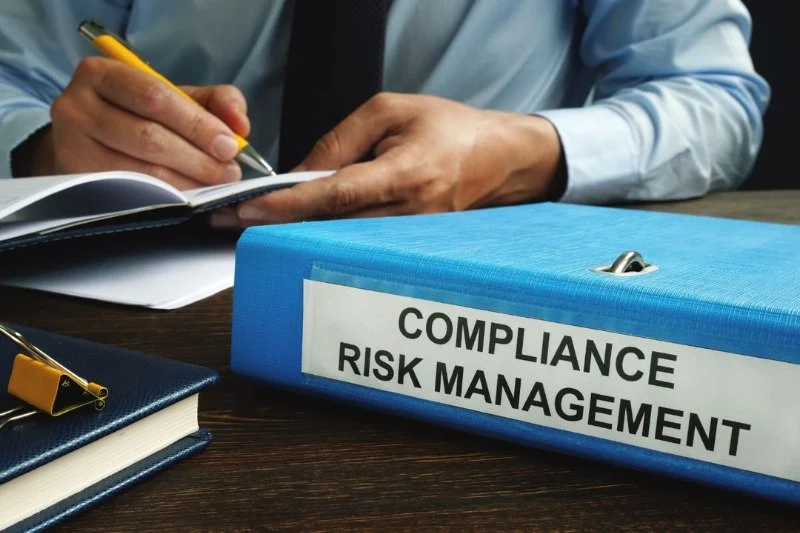
1. Understanding the Basics of Fintech Regulations
Starting a fintech company comes with unique legal challenges. The financial technology sector, which includes everything from digital payments to blockchain and cryptocurrency, is heavily regulated. These regulations exist to protect consumers, ensure financial system stability, and maintain trust in the sector. As a fintech entrepreneur, understanding these regulations is essential to avoid legal pitfalls and ensure smooth operations as you scale your startup.
Fintech regulations can vary widely by country and region. In the United States, for example, fintech companies must navigate a complex web of federal and state regulations, which could include the Consumer Financial Protection Bureau (CFPB), the Securities and Exchange Commission (SEC), and state-level financial services laws. Understanding the regulatory landscape early on can help you avoid unnecessary fines and delays, and ensure your business operates legally and ethically.

Braden & Tucci / braden and tucci
Los AngelesLos Angeles CountyCalifornia
811 Wilshire Blvd 17th Floor, Los Angeles, CA 90017, USA
2. Key Legal Steps to Launch a Fintech Startup
Launching a fintech startup requires a careful approach to ensure legal compliance and operational success. Here are the key legal steps you must take when starting your fintech business:
- Incorporate your business: The first step is to formally incorporate your fintech business. This will provide your company with legal protection and clarify your business structure, whether it’s an LLC, C-corp, or another entity.
- Register for necessary licenses: Depending on your fintech product, you may need specific licenses to operate legally. For example, if you plan to offer payment processing services, you may need to register with the Financial Crimes Enforcement Network (FinCEN) and comply with anti-money laundering (AML) requirements.
- Understand data protection laws: Fintech startups handle a lot of sensitive data, so understanding data privacy regulations like the General Data Protection Regulation (GDPR) or the California Consumer Privacy Act (CCPA) is critical. Compliance with these laws is essential to avoid hefty fines and protect user privacy.
- Engage with legal experts: As fintech regulations are complex, it’s important to work with legal experts who specialize in financial services and tech law. A lawyer can help you navigate regulatory requirements and ensure your business is structured correctly.
By taking these legal steps, you can lay the groundwork for a legally compliant and successful fintech startup.

Susan E. Wiesner A Law Corporation / susan wiesner lawyer
West HollywoodLos Angeles CountyCalifornia
9000 W Sunset Blvd 9th Fl, West Hollywood, CA 90069, USA
3. Regulatory Compliance in Fintech: What You Need to Know
Regulatory compliance is a cornerstone of operating in the fintech space. Failure to comply with financial regulations can result in hefty fines, loss of consumer trust, and even legal action. Here’s what you need to know about regulatory compliance in the fintech industry:
- Consumer protection laws: Regulations designed to protect consumers, such as the Dodd-Frank Act and the Payment Card Industry Data Security Standard (PCI DSS), are essential for fintech startups that handle sensitive financial data. These laws govern everything from transparency in fees to the protection of consumer data.
- Anti-money laundering (AML) compliance: AML regulations require fintech startups to monitor financial transactions for suspicious activity, report certain transactions to authorities, and maintain comprehensive records. Adhering to these rules is critical for avoiding financial crimes and maintaining trust with customers.
- Know Your Customer (KYC) requirements: KYC is a key component of AML regulations. As a fintech startup, you will need to implement systems to verify the identity of your customers to prevent fraud and financial crime.
- Payment processing regulations: If your fintech startup involves payment processing, you must comply with various payment regulations, including those from the Federal Reserve, the SEC, and the CFPB. These rules ensure that transactions are secure, transparent, and fair for consumers.
Staying compliant with these regulations is vital for building trust and avoiding legal challenges that could derail your fintech business.
4. Managing Risk in a Fintech Startup
Operating a fintech startup comes with inherent risks, from cyber threats to compliance violations. As a business owner, it’s crucial to understand these risks and put measures in place to mitigate them. Here’s how you can manage risk in your fintech business:
- Cybersecurity: Fintech businesses are frequent targets for cyberattacks due to the sensitive financial data they handle. Implementing robust cybersecurity measures, such as encryption, firewalls, and regular audits, can help protect your company and your customers.
- Legal risks: Non-compliance with financial regulations can lead to legal repercussions. Ensure that you regularly review and update your compliance processes to stay ahead of evolving regulations.
- Operational risk: Operational risk involves disruptions in your business operations, whether from technology failures, human error, or natural disasters. Having contingency plans, insurance, and backup systems can help reduce operational risks.
By actively managing these risks, you can safeguard your fintech startup’s reputation, operations, and financial health.
5. Real-Life Case Studies: Successful Fintech Startups Navigating Legal Challenges
Many successful fintech startups have navigated the complex legal landscape to grow into industry leaders. For instance, the payment platform Stripe has successfully handled regulatory challenges related to payment processing and anti-money laundering compliance. By staying proactive and working closely with regulators, Stripe has been able to scale globally while remaining compliant.
Another example is Square, which faced numerous legal hurdles as it expanded its payment services. Square’s team worked diligently with legal and compliance experts to ensure that its products met local and international regulations, allowing the company to thrive in a highly regulated space.
These real-life case studies demonstrate that navigating legal and regulatory challenges is possible with the right approach and mindset. By learning from the successes and mistakes of others, you can avoid common pitfalls and ensure that your fintech startup is legally compliant and well-positioned for growth.






 Siriano & Bernstein P.C.3.0 (4 reviews)
 The Law Office of Matthew Mobilia0.0 (0 reviews)
 Moreno Law Immigration4.0 (292 reviews)
 Law Office of Denise M. Nalley0.0 (0 reviews)
 Larry C. Schafer0.0 (0 reviews)
 Graff & McGovern, LPA4.0 (61 reviews)
 Understanding Tenant Rights in Rental Disputes – Expert Legal Advice
 Your Rights During a Police Stop – What You Need to Know
 How to Expunge a Criminal Record: A Step-by-Step Guide
 Your Rights During a Police Stop: What You Need to Know in 2025
 Understanding the Basics of Intellectual Property Rights
 How to Contest a Traffic Ticket and Win: A Step-by-Step Guide