- Understanding Unauthorized Remote Access to Company Data
- Immediate Steps to Take When You Discover Unauthorized Access
- Legal Requirements and Regulations for Data Breaches
- How to Investigate the Data Breach Effectively
- Prevention Strategies for Future Protection
Understanding Unauthorized Remote Access to Company Data
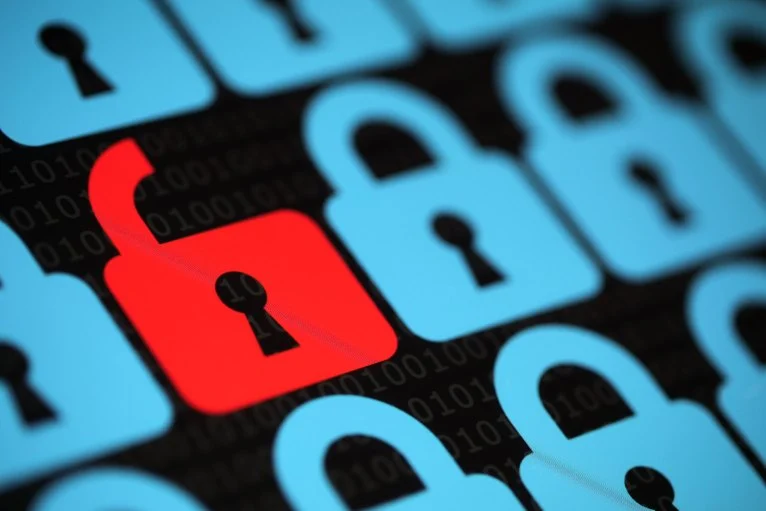
Unauthorized remote access to company data occurs when an individual or group gains access to sensitive business information without proper authorization. This can happen through hacking, phishing, or exploiting vulnerabilities in your system. The consequences of such breaches can be severe, including financial losses, reputational damage, and legal liabilities. It’s important to understand the nature of these breaches to effectively respond to them.

Braden & Tucci / braden and tucci
Los AngelesLos Angeles CountyCalifornia
811 Wilshire Blvd 17th Floor, Los Angeles, CA 90017, USA
Immediate Steps to Take When You Discover Unauthorized Access
When you detect unauthorized access to your company's data, acting quickly and systematically is crucial. Here’s what to do:
1. Secure Your Systems: The first step is to contain the breach. Disconnect any affected systems from the network to prevent further unauthorized access. Change passwords and revoke unauthorized access credentials.
2. Notify Your IT Team: Involve your IT department or cybersecurity experts to assess the breach's scope and identify the affected systems. They should begin scanning for malware or other malicious tools that may have been used.
3. Document the Incident: Document everything about the breach, including how it was detected, the systems affected, and the actions taken to mitigate it. This documentation will be valuable for investigations and legal purposes.
If you're unsure about your next steps or need expert advice, you can visit CGS Law Hub to find trusted legal experts and resources.

Borna Houman Law / borna houman law
Santa MonicaLos Angeles CountyCalifornia
2530 Wilshire Blvd Third Floor, Santa Monica, CA 90403, USA
Legal Requirements and Regulations for Data Breaches
When responding to unauthorized access, there are legal requirements that companies must follow. These laws vary by region, but the general principles remain consistent. In the U.S., the General Data Protection Regulation (GDPR) and California Consumer Privacy Act (CCPA) are examples of laws that govern data breaches and require specific actions:
1. Notify Affected Parties: In many jurisdictions, you must notify affected individuals if their personal data has been compromised. Timely notification helps prevent further harm, such as identity theft.
2. Report the Breach to Authorities: Depending on the severity of the breach, you may be required to report the incident to relevant authorities, such as the Federal Trade Commission (FTC) or state regulators.
3. Cooperate with Investigations: You may need to cooperate with law enforcement or other regulatory bodies conducting an investigation into the breach. Failure to comply with legal obligations can result in penalties and lawsuits.
How to Investigate the Data Breach Effectively
Once immediate containment steps are in place, it’s essential to conduct a thorough investigation to understand the full scope of the breach. Here's how to proceed:
1. Identify the Source of the Breach: Determine how the unauthorized access occurred. Did it involve external hackers, an internal employee, or a system vulnerability? Understanding the source helps in preventing similar attacks in the future.
2. Analyze the Breach’s Impact: Assess what data was accessed or compromised. Identify whether personal data, financial information, or intellectual property was affected. This information is vital for notifying affected individuals and complying with legal requirements.
3. Implement Corrective Actions: Based on your findings, fix any system vulnerabilities, improve security protocols, and update your policies to strengthen data protection. This could involve installing new firewalls, conducting staff training, and reviewing data access permissions.
Prevention Strategies for Future Protection
While responding to a data breach is critical, preventing future incidents is even more important. Here are some strategies to help protect your company’s data:
1. Regularly Update Security Systems: Ensure that your cybersecurity infrastructure is always up to date. This includes software patches, antivirus tools, and intrusion detection systems to protect against new threats.
2. Implement Strict Access Controls: Limit access to sensitive data to only those employees who need it to perform their jobs. Implement multi-factor authentication (MFA) and regularly review access permissions to minimize risks.
3. Conduct Regular Security Audits: Regular security audits can identify vulnerabilities before they are exploited. Hire third-party experts to perform penetration testing and vulnerability assessments.
4. Educate Employees: Employee negligence is often a key factor in data breaches. Provide regular training on cybersecurity best practices, phishing threats, and data protection policies.





 Weinberger Divorce & Family Law Group, LLC4.0 (80 reviews)
 Morris & Adelman PC3.0 (1 reviews)
 Eckell Sparks Attorneys at Law5.0 (1 reviews)
 Law Office of Johanna Herrero4.0 (660 reviews)
 Lisa L Wells LLC4.0 (73 reviews)
 Kass & Moses Personal Injury Lawyers4.0 (111 reviews)
 Understanding Arbitration Agreements: When Are They Enforceable?
 Understanding Employment Law for Workers – Know Your Rights
 How to Legally Change Your Name – Expert Legal Advice
 How to Legally Manage a Cross-Border Inheritance: U.S. & Foreign Assets
 Law Made Simple: What to Do If You Are Injured in a Car Accident
 How to Legally Secure Your Home Network if You Run a Home Office Business