
- Understanding Environmental Cleanup Orders
- Your Legal Obligations
- Steps for Compliance with Environmental Laws
- Handling the Legal Process Efficiently
- Working with Environmental Experts
- Consequences of Non-Compliance
Understanding Environmental Cleanup Orders
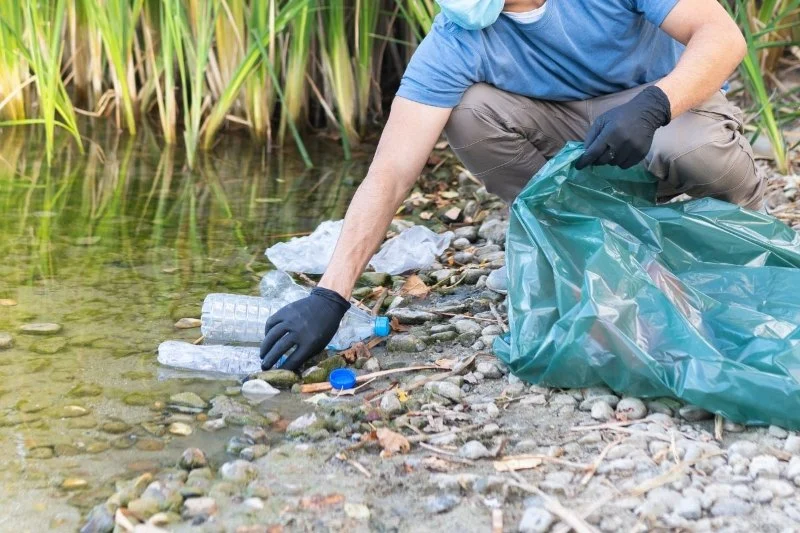
Environmental cleanup orders are issued by regulatory authorities when a business is found to be in violation of environmental laws. These orders require a business to take immediate action to rectify environmental damage, typically caused by hazardous waste spills, pollutants, or other violations affecting public health or the environment. It's essential for business owners to fully understand the nature of the cleanup order and its implications before taking action. This understanding can make the difference between costly mistakes and successful compliance with environmental regulations.
Your Legal Obligations
When your business receives an environmental cleanup order, it’s crucial to comprehend your legal obligations. Failure to comply with these orders can result in significant fines, penalties, and even legal action. Here’s a breakdown of your responsibilities:
- Compliance with Environmental Regulations: Ensure that your business is in full compliance with local, state, and federal environmental laws. These laws may include the Clean Water Act, Clean Air Act, and Resource Conservation and Recovery Act, among others.
- Timely Action: Cleanup orders typically specify the timeline within which you must complete the cleanup. Delays can lead to further penalties or escalation of the situation.
- Notification of Authorities: In many cases, businesses are required to notify relevant regulatory agencies of the completion of the cleanup or any issues encountered during the process.
Steps for Compliance with Environmental Laws
To navigate the legal process of an environmental cleanup order, business owners must take the following steps to ensure compliance with the law:
- Assess the Situation: Once you receive a cleanup order, conduct a thorough assessment to determine the scope of the environmental issue and the necessary actions required. This may involve hiring an environmental consultant to evaluate the extent of contamination or damage.
- Develop a Cleanup Plan: Create a detailed plan for addressing the environmental issue. This plan should outline the specific actions to be taken, timeline, and responsible parties involved. Be sure to follow all guidelines provided by regulatory agencies.
- Implement Cleanup Measures: Begin implementing the cleanup measures as soon as possible. This may include removing hazardous materials, treating contaminated water or soil, and implementing safety protocols.
- Document the Cleanup Process: Keep comprehensive records of all actions taken during the cleanup process. This documentation will be necessary for proving compliance to regulatory authorities.
Handling the Legal Process Efficiently
Dealing with the legal complexities of an environmental cleanup order can be overwhelming, especially for businesses unfamiliar with environmental law. Here are some steps to handle the legal process efficiently:
- Consult Legal Experts: It’s essential to hire a lawyer with expertise in environmental law to guide you through the legal process. They can help you understand your rights, negotiate with authorities, and avoid further complications.
- Communicate with Regulatory Agencies: Maintain open communication with the authorities that issued the order. They may be able to provide additional time or flexibility in some cases, especially if you demonstrate a good-faith effort to comply.
- Consider Settlements or Negotiations: In some instances, businesses may be able to negotiate a settlement or reduction in penalties if they can show proactive steps to resolve the issue. Legal professionals can assist in these negotiations.
Working with Environmental Experts
To ensure a successful and legally sound cleanup process, it's often necessary to work with environmental consultants and experts. These professionals can help with:
- Assessing the Extent of the Problem: Environmental experts can conduct site assessments to determine the level of contamination and the required cleanup procedures.
- Developing Effective Cleanup Strategies: Environmental consultants can help devise strategies tailored to the specific issues at hand, ensuring that your business meets all regulatory requirements.
- Ensuring Compliance: Experts can ensure that your cleanup efforts are in line with local, state, and federal regulations, reducing the risk of further legal complications.
Consequences of Non-Compliance
Failure to comply with an environmental cleanup order can lead to serious consequences for your business. These may include:
- Fines and Penalties: Regulatory agencies can impose significant fines for non-compliance, which can quickly add up and become a financial burden.
- Litigation: If your business fails to take corrective action, you could face legal action from authorities or even private parties affected by the environmental damage.
- Reputation Damage: Non-compliance can damage your business’s reputation, making it harder to attract customers, partners, and investors.
At CGS Law Hub, we offer expert legal advice to businesses facing environmental cleanup orders. Our team is committed to helping businesses navigate the legal complexities of environmental regulations and achieve compliance. For more information, visit us at CGS Law Hub.






 Bold Patents Law Firm5.0 (9 reviews)
 Law Offices of Carmen C. Ulibarri APC4.0 (22 reviews)
 Dracheva Law, LLC5.0 (14 reviews)
 Z. Hernandez Law, PLLC5.0 (19 reviews)
 FIBI Law Firm4.0 (104 reviews)
 JacksonLaw, LLC4.0 (23 reviews)
 Starting a Nonprofit Organization: A Legal Guide for Success
 How to Contest a Traffic Ticket and Win – Expert Legal Guide 2024
 How to Legally Change Your Name: A Step-by-Step Guide
 Legal Guide to Navigating a Hostile Board Takeover: Defenses & Strategy
 How to Legally Change Your Name in 2025: A Complete Guide
 Legal Tips for Non-Profits Handling Donor Data Under U.S. Privacy Laws