
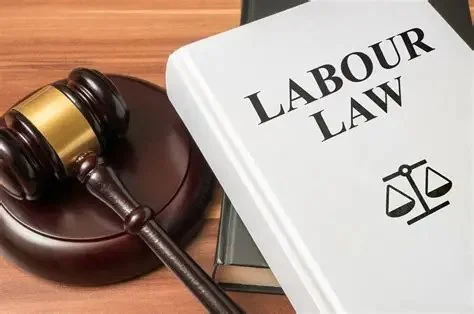
Understanding Employment Law for Workers: Essential Insights
- 1. What is Employment Law?
- 2. Workers' Rights You Should Know
- 3. Common Employment Law Issues Faced by Workers
- 4. How to Protect Your Rights as a Worker
- 5. Seeking Legal Advice for Employment Matters
1. What is Employment Law?
Employment law refers to the body of laws, regulations, and rules that govern the rights and duties of workers and employers. It covers a wide range of issues including wage laws, discrimination policies, health and safety requirements, benefits, and more. For workers, understanding these laws is crucial to ensuring that their rights are protected, and that they are treated fairly in the workplace.
2. Workers' Rights You Should Know
Every worker has certain rights under the law, regardless of the type of job or industry. Some of the fundamental rights include:
- Right to Fair Pay: Employers are legally required to pay workers at least the minimum wage, as well as overtime for hours worked beyond a standard workweek.
- Right to a Safe Work Environment: Workers are entitled to work in conditions that are safe and free from hazards that could cause injury or illness.
- Right to Equal Treatment: Employment laws protect workers from discrimination based on race, gender, age, religion, disability, or other protected characteristics.
- Right to Family and Medical Leave: Under the Family and Medical Leave Act (FMLA), eligible workers can take unpaid leave for medical or family reasons without fear of losing their job.
3. Common Employment Law Issues Faced by Workers
Workers may face a variety of legal challenges in the workplace. Some of the most common employment law issues include:
- Wage and Hour Disputes: These can include issues like unpaid overtime, failure to receive minimum wage, or being misclassified as exempt from overtime pay.
- Discrimination: Workers may experience discrimination based on race, gender, sexual orientation, disability, or other protected characteristics. This can result in unfair treatment, denial of opportunities, or termination.
- Harassment: Harassment in the workplace, including sexual harassment or bullying, is another area of concern that can negatively affect a worker's rights and job security.
- Wrongful Termination: In cases where an employee is fired for an unlawful reason, such as retaliation for reporting discrimination or for taking legally protected leave, they may have grounds for a wrongful termination claim.
4. How to Protect Your Rights as a Worker
To safeguard your rights as a worker, here are some important steps to take:
- Document Everything: Keep records of your working hours, pay stubs, emails, and any correspondence with your employer regarding issues you face at work. Documentation is essential for proving your case if legal action is required.
- Know Your Rights: Educate yourself about your rights under federal, state, and local laws. Understanding your legal protections helps you spot potential violations early on.
- Speak Up: If you believe your rights are being violated, speak to your employer about the issue. If the problem persists, consider filing a complaint with the appropriate government agency, such as the Equal Employment Opportunity Commission (EEOC) or the Department of Labor.
5. Seeking Legal Advice for Employment Matters
If you believe your rights are being violated or you are facing an employment law issue, seeking legal advice is crucial. An employment lawyer can provide valuable insight into your situation, guide you through the process of filing complaints or lawsuits, and help you understand the best course of action to take. Legal professionals who specialize in employment law can ensure that you receive the compensation or remedy you are entitled to.At [Barber Law Hub], we offer expert legal advice and resources to help workers navigate complex employment law issues. Don't hesitate to reach out for guidance if you need support with your workplace rights.




 Philip Hersh Law Offices: Hersh Philip3.0 (6 reviews)
 Herman Alarcon, Esq.4.0 (142 reviews)
 Saguaro Legal4.0 (56 reviews)
 Travis Watkins Tax4.0 (128 reviews)
 Chad Steur Law4.0 (16 reviews)
 Woodruff Law LLC4.0 (97 reviews)
 How to Expunge a Criminal Record | Step-by-Step Guide to Clearing Your Record
 What Happens If You Die Without a Will – The Consequences
 How to Legally Change Your Name: A Step-by-Step Guide
 Law Made Simple: Understanding Your Tenant Rights in Rental Disputes
 How to Protect Your Business with the Right Contracts | Legal Guidance for Entrepreneurs
 How to Expunge a Criminal Record – Expert Legal Advice