
- 1. Understanding Data Breaches Caused by Third-Party Contractors
- 2. Identifying Legal Obligations in Data Breach Cases
- 3. Key Steps to Take After a Third-Party Data Breach
- 4. Contractor Liability and Responsibilities
- 5. Real-Life Example: Data Breach Due to Third-Party Contractor
- 6. Prevention Tips for Future Data Breaches
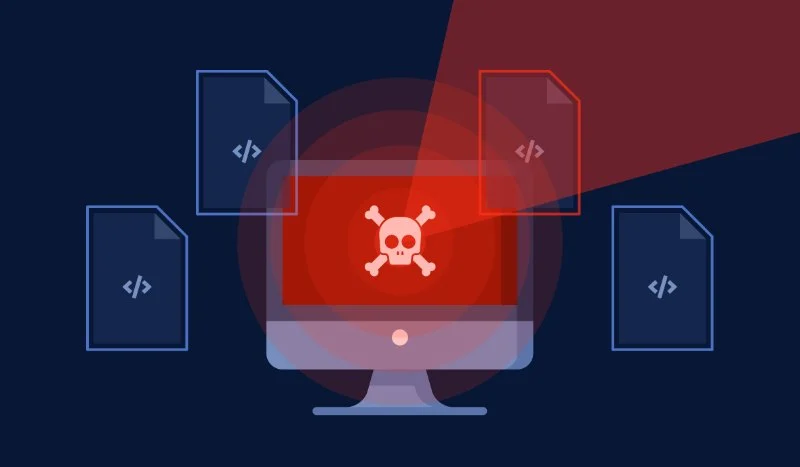
1. Understanding Data Breaches Caused by Third-Party Contractors
In today's digital world, businesses increasingly rely on third-party contractors to manage various aspects of their operations, including data storage and processing. However, this reliance can sometimes lead to vulnerabilities, especially when it comes to data security. A data breach caused by a third-party contractor can be both legally and financially damaging, not only for the company but also for its clients and partners.
To effectively handle such a situation, it's important to understand the nature of third-party data breaches, how they happen, and the risks involved. When a breach occurs due to a contractor's actions (or lack thereof), it is crucial to quickly assess both the legal and operational impacts on your business.
2. Identifying Legal Obligations in Data Breach Cases
When a data breach occurs due to a third-party contractor, companies must identify their legal obligations under various laws and regulations. These obligations often vary depending on the jurisdiction and the nature of the data involved. In the U.S., data breach laws are governed by several federal and state regulations, including:
2.1 General Data Protection Regulation (GDPR)
If your business operates in the EU or handles data related to EU citizens, the GDPR outlines strict guidelines for handling data breaches. Under GDPR, businesses must notify data subjects and relevant authorities within 72 hours of discovering a breach.
2.2 Health Insurance Portability and Accountability Act (HIPAA)
For businesses dealing with healthcare data, HIPAA sets clear requirements for data breach reporting, especially when the breach involves a contractor. HIPAA mandates notifying the U.S. Department of Health and Human Services (HHS) and affected individuals if sensitive health data is compromised.
2.3 State-Specific Data Breach Laws
Most U.S. states have their own data breach notification laws, which dictate how and when companies must notify affected individuals and regulators. These laws often differ in terms of what constitutes a breach and the timelines for notifications.
3. Key Steps to Take After a Third-Party Data Breach
Once a breach caused by a third-party contractor is detected, it’s essential to act quickly to minimize damage and meet legal obligations. Here are the key steps businesses should take:
3.1 Confirm the Breach and Assess the Damage
The first step is to confirm that a breach has occurred and determine its scope. This includes assessing what data was exposed, how it was accessed, and who might have been affected. Working with IT and cybersecurity experts is crucial in this stage to accurately assess the breach's impact.
3.2 Notify Affected Individuals and Authorities
Once the breach is confirmed, notify the affected individuals in accordance with applicable laws. Depending on the regulations, you may need to provide details about the breach, the data involved, and steps the individuals can take to protect themselves. Be transparent and timely in your notifications to avoid further legal consequences.
3.3 Collaborate with Third-Party Contractors
Work closely with the third-party contractor responsible for the breach. This includes determining their role in the breach, understanding their security practices, and ensuring they take the necessary actions to prevent further harm. In some cases, it may be necessary to terminate the contract and pursue legal action if negligence is found.
4. Contractor Liability and Responsibilities
In cases where a third-party contractor is responsible for a data breach, it’s important to understand their legal liabilities and responsibilities. Depending on the contract and the breach's severity, contractors may be held accountable for damages caused by the breach. Here's how to approach contractor liability:
4.1 Review the Contractual Agreement
The first step in determining contractor liability is to review the service contract or agreement. Many contracts contain clauses related to data protection and breach notification, and these can help establish whether the contractor violated any terms that contributed to the breach.
4.2 Negligence and Breach of Duty
If the contractor failed to implement adequate data security measures, they may be considered negligent. In such cases, you can pursue legal action to recover damages or seek compensation for any financial losses resulting from the breach.
4.3 Regulatory Fines and Penalties
If the breach violates data protection laws, both your business and the contractor may face regulatory fines and penalties. It is important to assess the legal landscape and consult with legal professionals to ensure compliance and mitigate financial risks.
5. Real-Life Example: Data Breach Due to Third-Party Contractor
In 2019, a well-known retail company suffered a data breach that exposed the personal information of millions of customers. The breach was traced back to a third-party contractor responsible for managing the company’s payment processing system. The breach occurred due to insufficient security protocols on the contractor's part.
In the aftermath, the company faced significant legal challenges, including class-action lawsuits from affected customers and hefty fines from regulatory bodies. The company’s legal team worked closely with the contractor to investigate the breach and implement stronger security measures. This case highlights the importance of thorough due diligence and contractual agreements with third-party contractors to prevent such incidents.
6. Prevention Tips for Future Data Breaches
Preventing future data breaches caused by third-party contractors is crucial for maintaining the security and trust of your business. Here are some tips to help reduce the risk of future breaches:
6.1 Vet Contractors Thoroughly
Ensure that contractors have adequate data security measures in place. Conduct background checks and security audits to evaluate their practices before entering into a contract.
6.2 Include Data Protection Clauses in Contracts
Clearly outline data protection responsibilities in contracts with third-party contractors. Include clauses that require contractors to follow strict security protocols and notify you immediately in the event of a breach.
6.3 Monitor Contractor Compliance
Regularly audit and monitor your contractors' data security practices to ensure they are complying with your organization's standards. Consider implementing ongoing security training and providing support to help contractors maintain robust data protection measures.






 Gauthier Family Law4.0 (139 reviews)
 Southerland Law Firm, PLLC4.0 (76 reviews)
 Macdonald Hoague & Bayless0.0 (0 reviews)
 J. Brooks Law, LLC5.0 (6 reviews)
 Mendez & Sanchez, A Professional Law Corporation0.0 (0 reviews)
 Lillian E Levoff Attorney at Law2.0 (6 reviews)
 Your Rights During a Police Stop | CGS Law Hub
 How to Choose the Right Lawyer for Your Case: Expert Legal Advice
 How to Contest a Traffic Ticket and Win: Expert Legal Tips
 Legal Tips for Parents When Their Child Faces Identity Theft
 The Basics of Intellectual Property Rights – Expert Legal Advice
 Workers’ Compensation: How to File a Claim After a Workplace Injury